Met Museum: African & Indonesian Artifacts
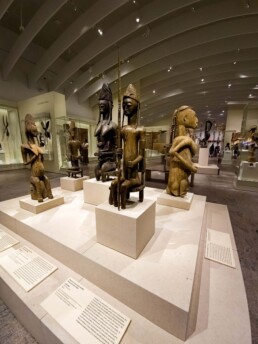
Michael C. Rockefeller Wing at the Metropolitan Museum of Art, which has been closed and under renovation since 2021, reopened May 2025. The Sept 2024 NYT "sneak peak" reported it was to be “ brighter, more open exhibition spaces for the museum’s storied collection of objects from Africa, the Ancient Americas and Oceania — including stone sculptures, detailed metalwork and colorful ceramic vessels.”
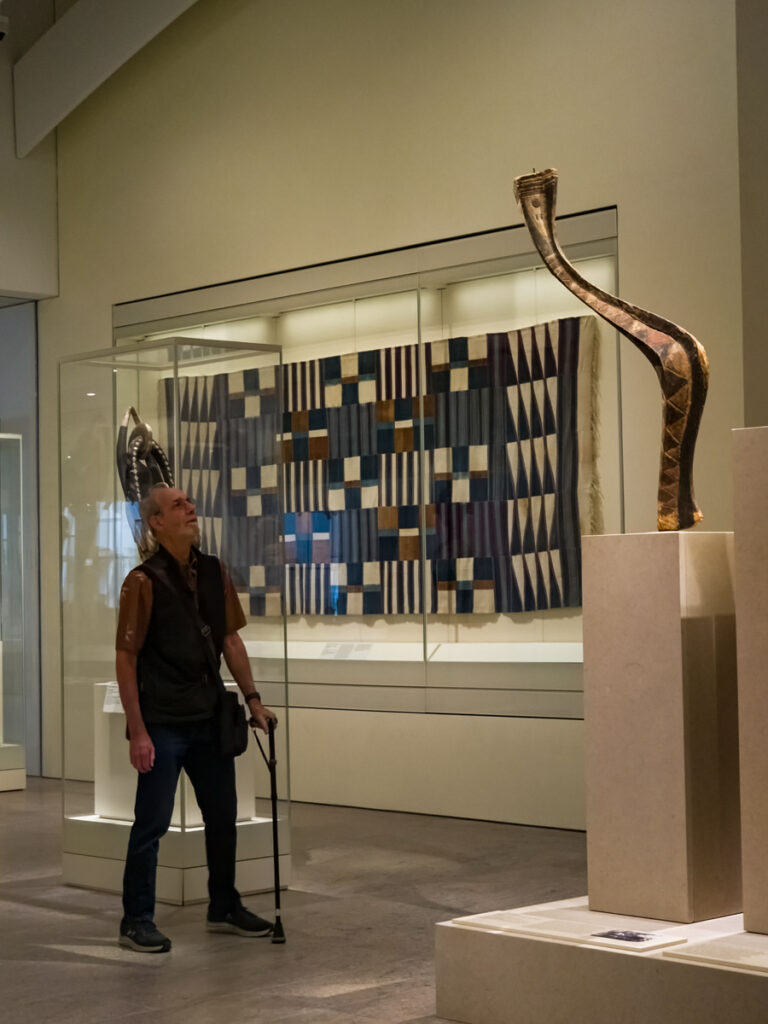
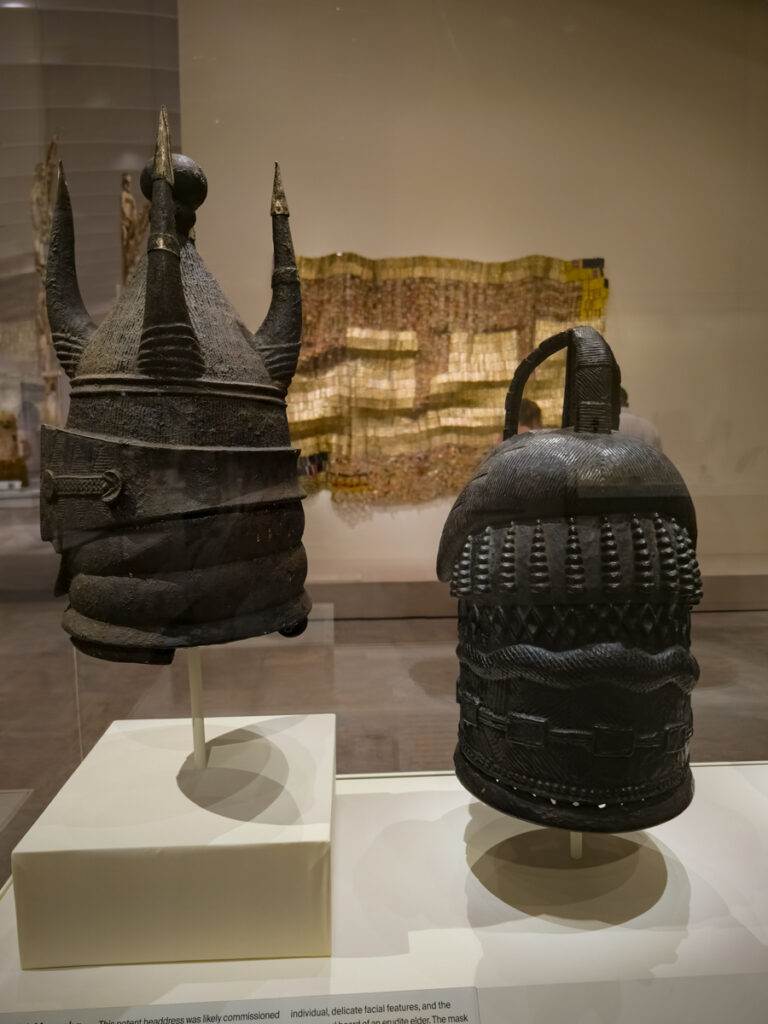
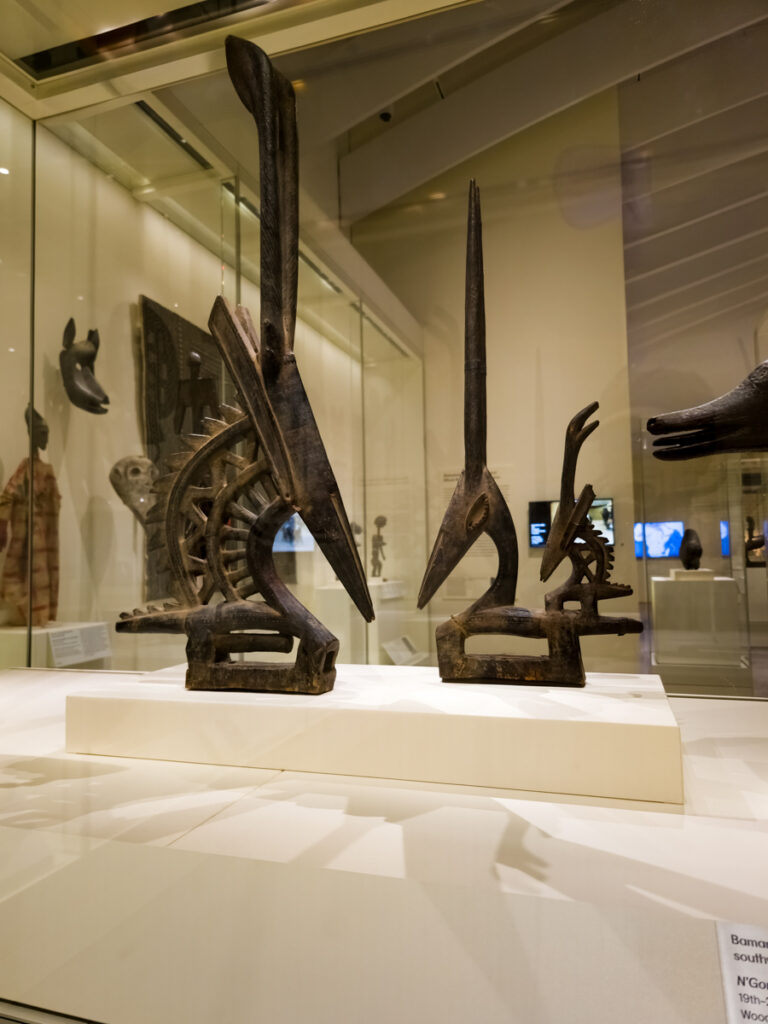
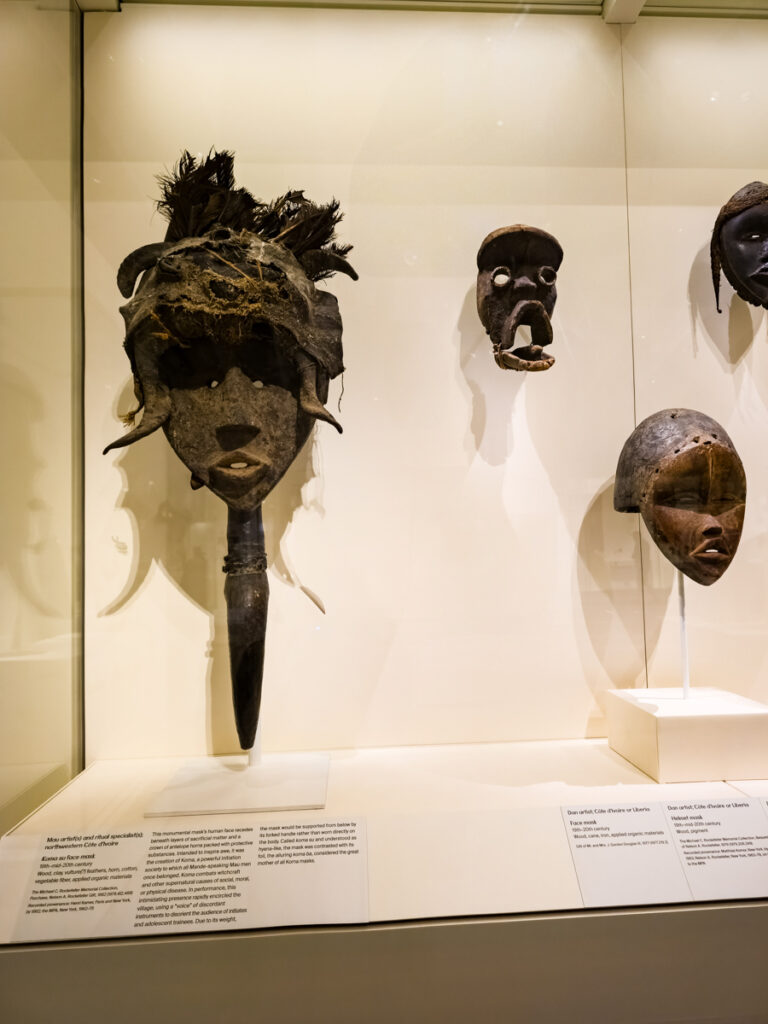
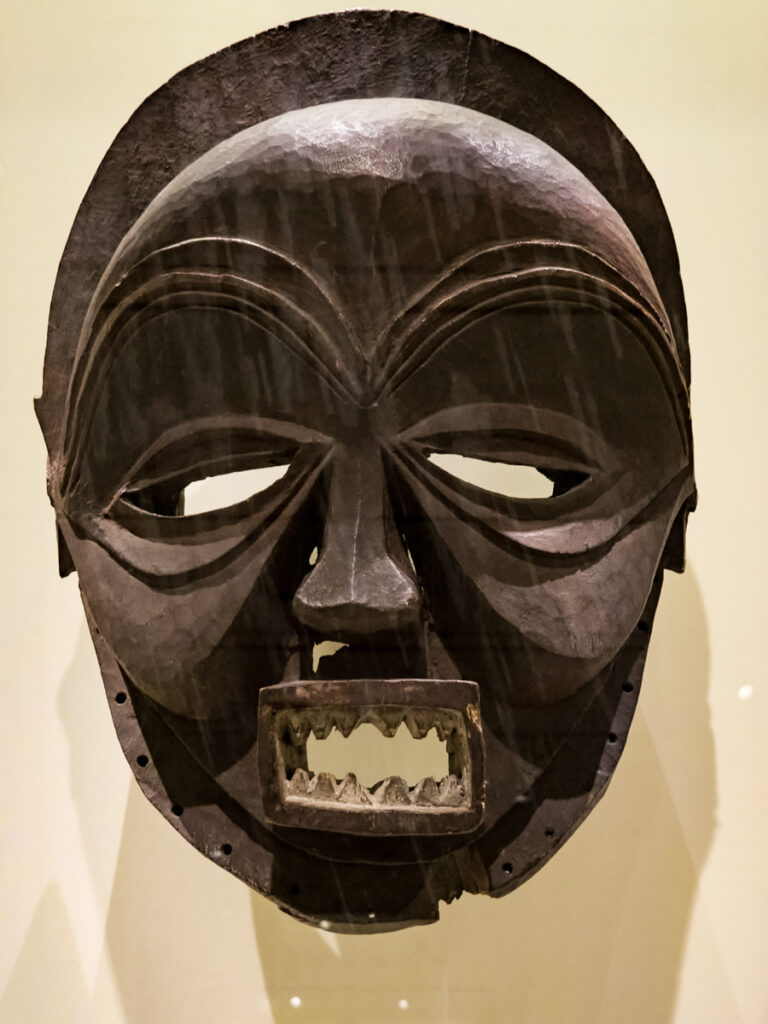
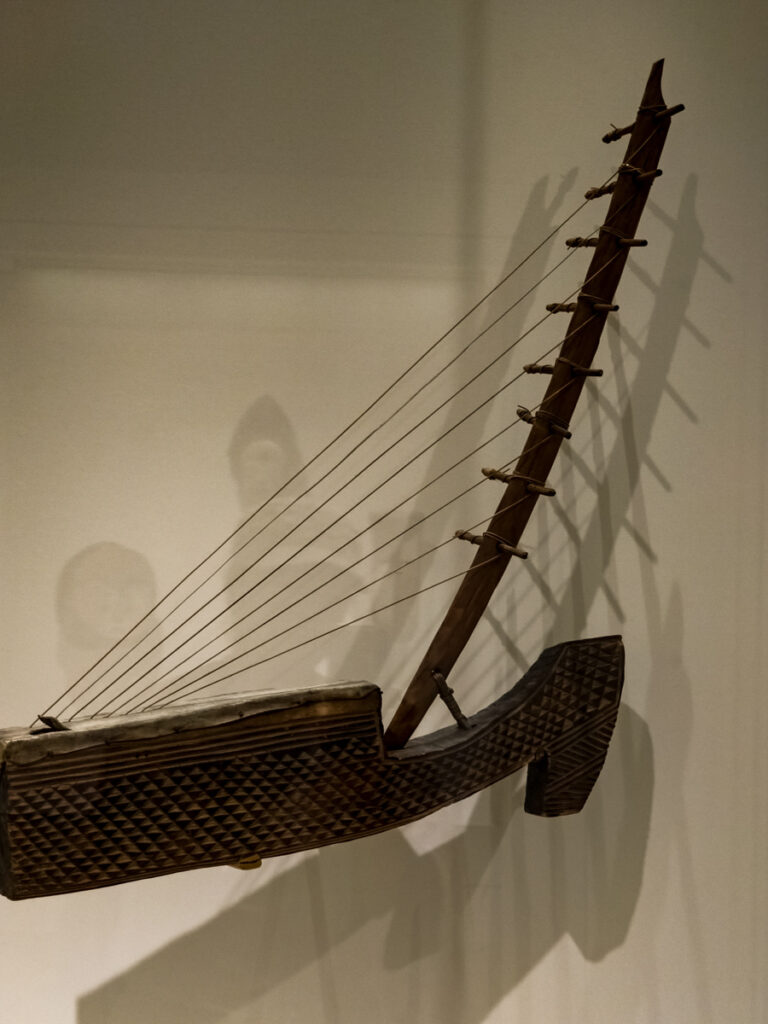
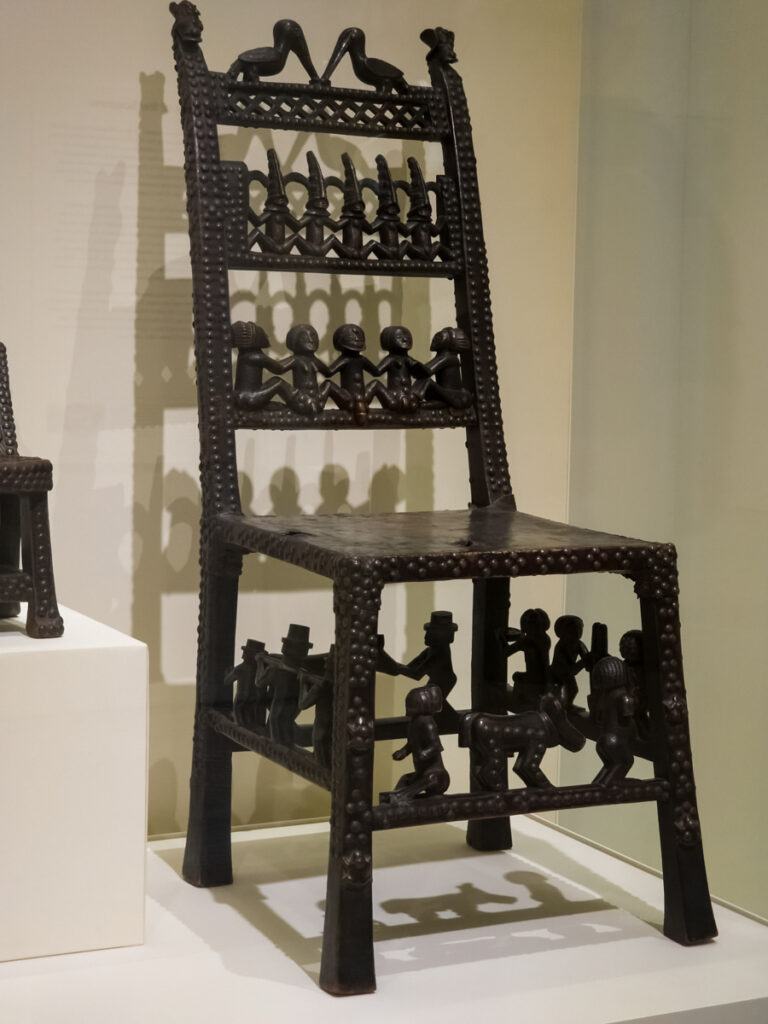
I had planned to combine my trip to Lorna Simpson's exhibit with an hour or two of an escape thru most of the work in the new wing; wood masks, sculptures and sacred artifacts, along with textile and ceramic pieces were beautifully exhibited from across sub-Saharan Africa. The NYT was right, it was bright, open and an absolutely riveting collection. Click here for the video clip of the "art escape" visit.
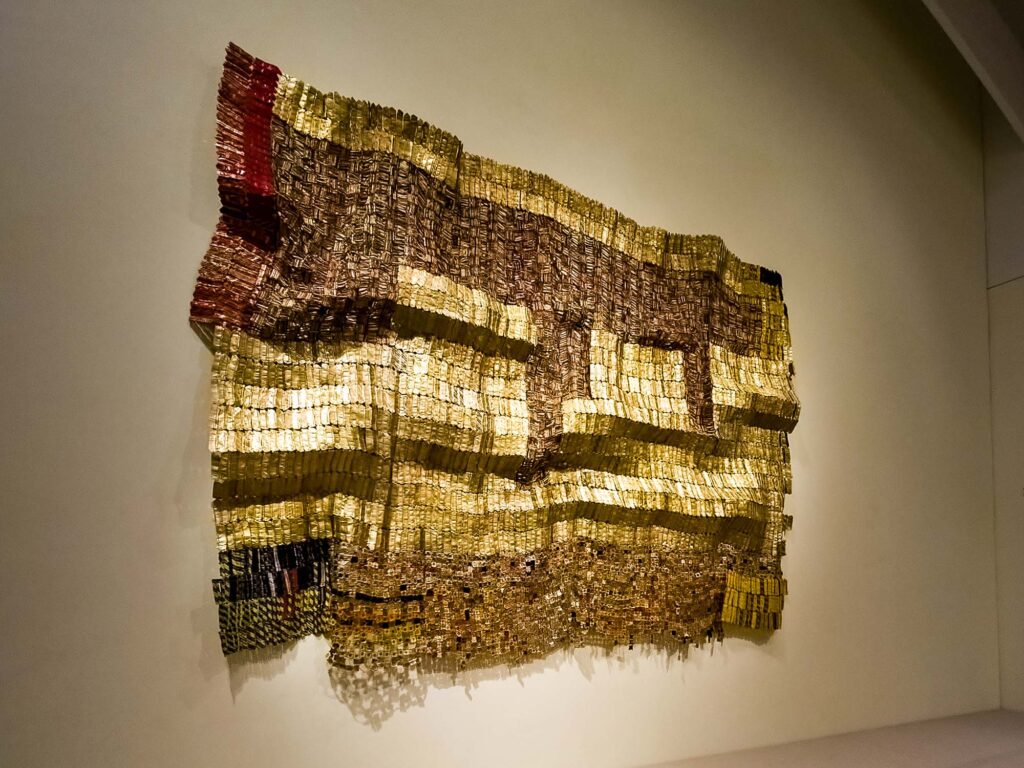
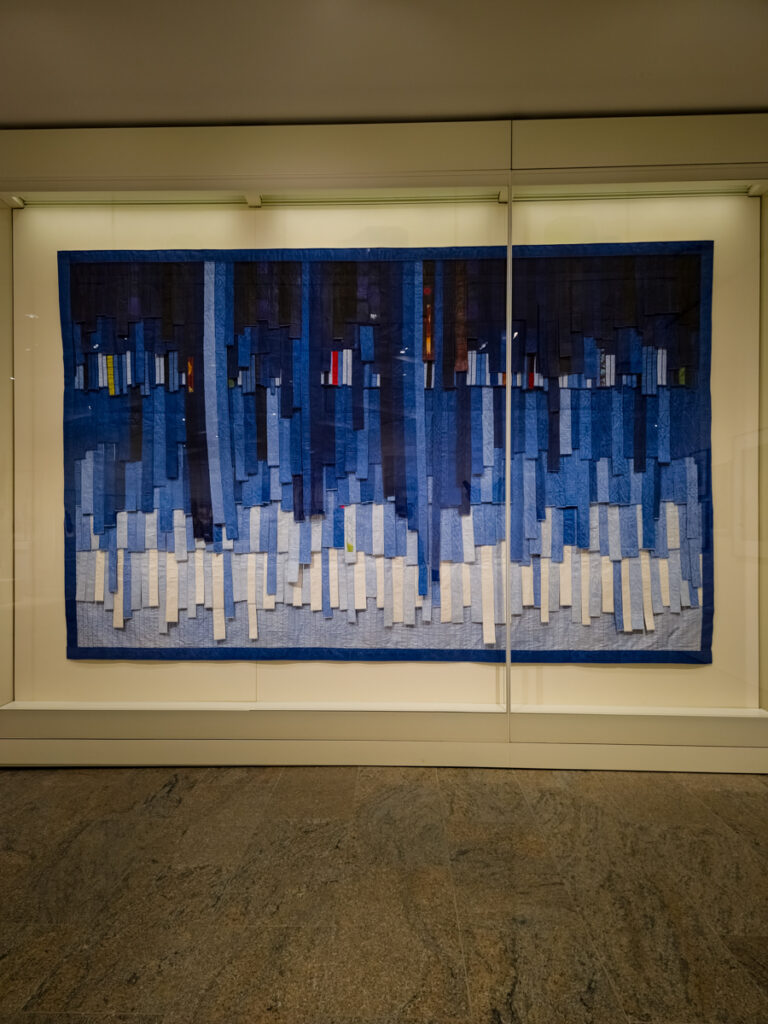
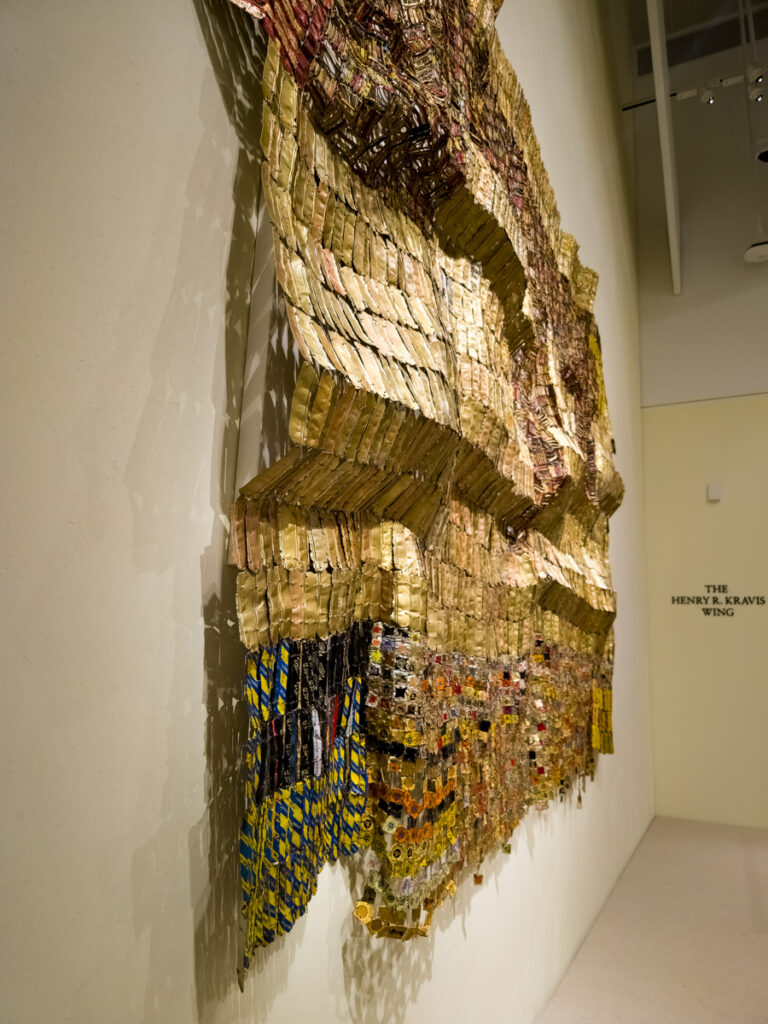
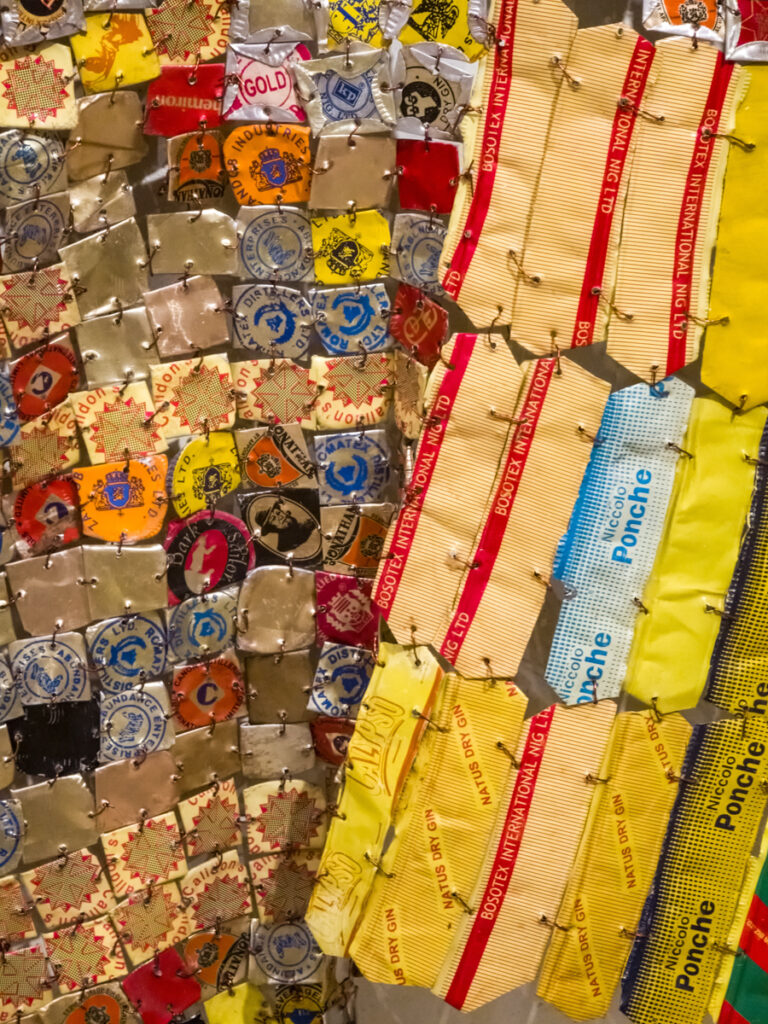
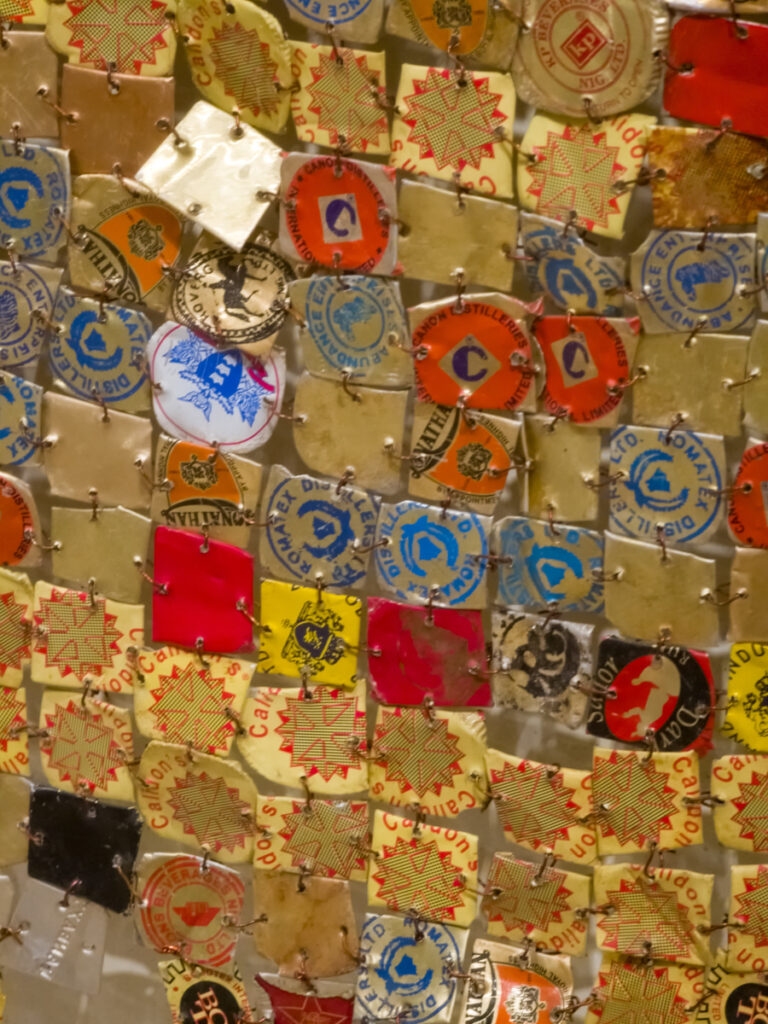
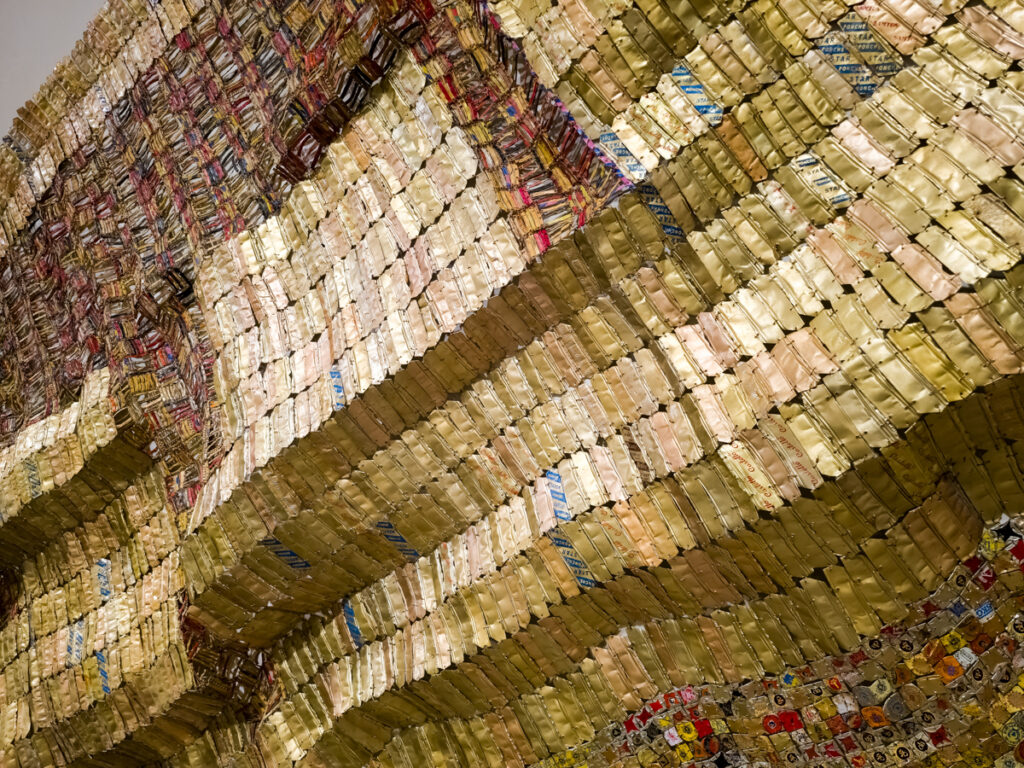
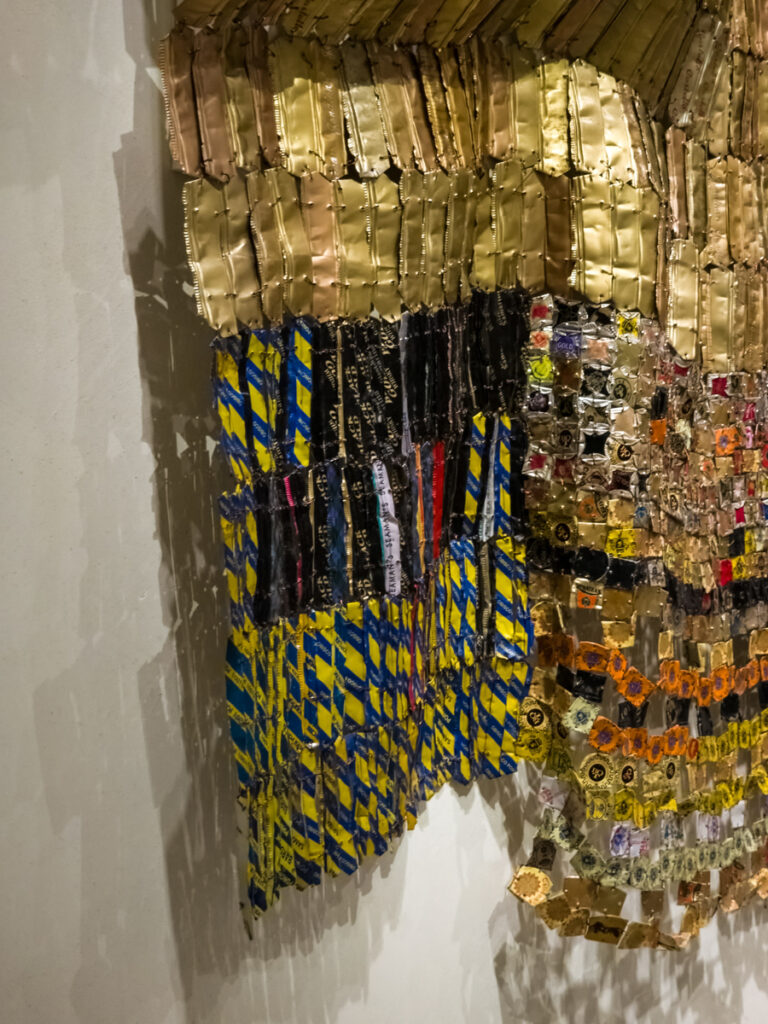
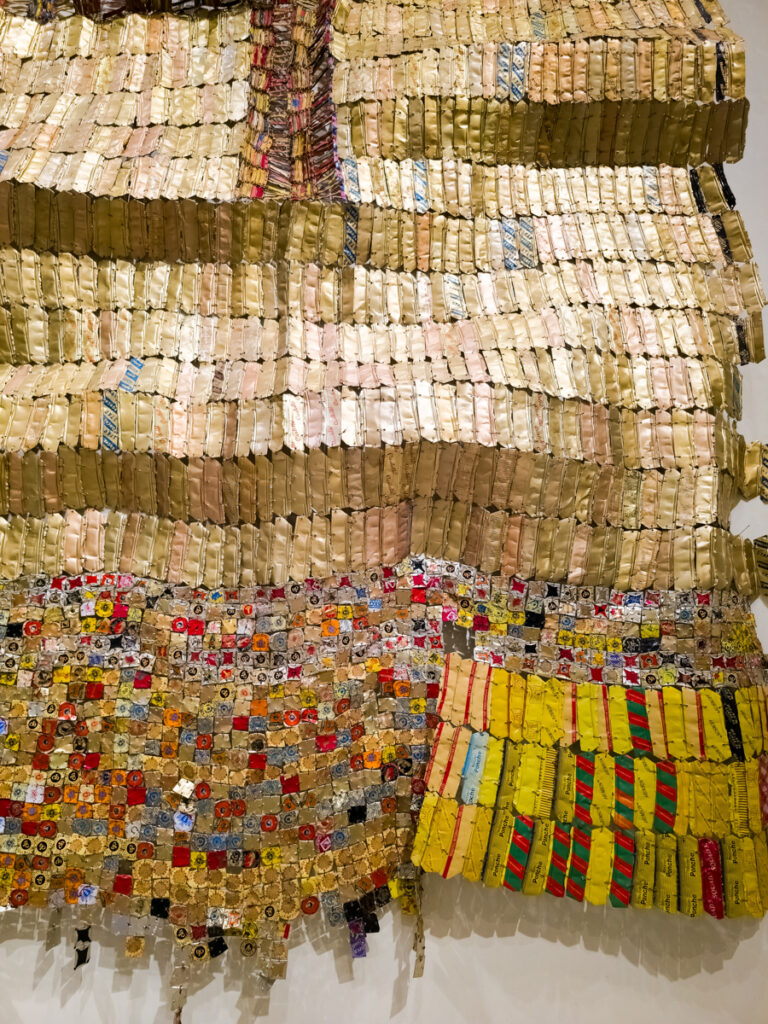
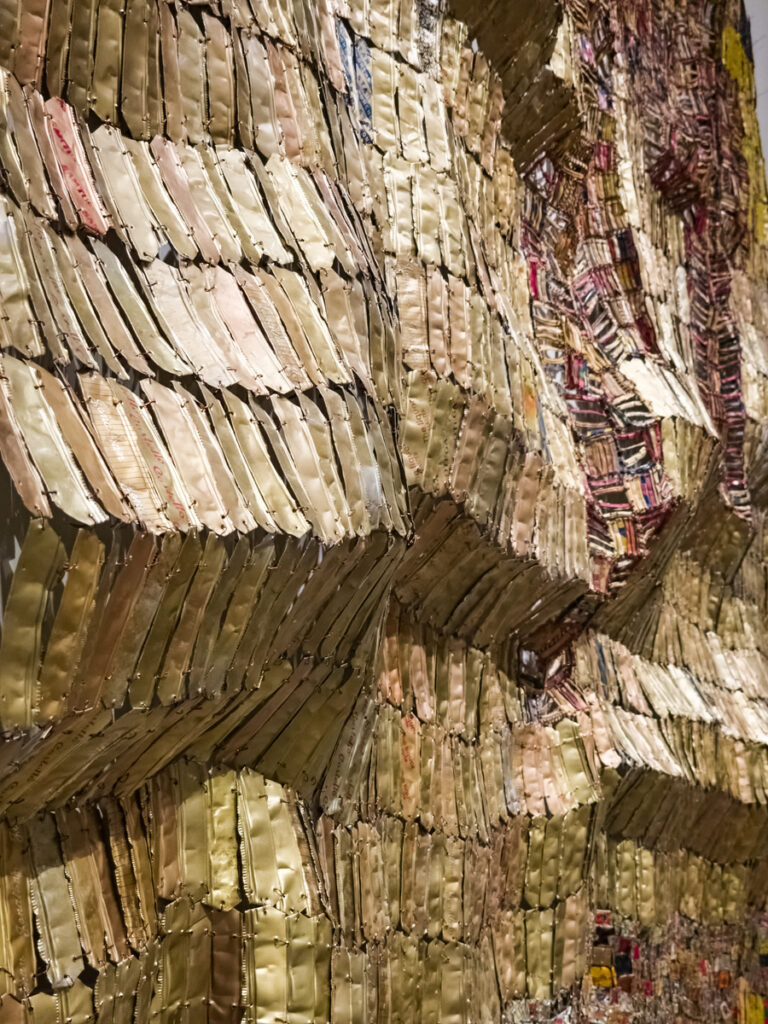
I loved every treasure featured and especially the textile pieces, whether kente, mud cloth and especially El Anatsui’s metal “drape fabric.”
El Anatsui
The recent series of works that "Between Earth and Heaven" relates to refer to the celebrated West African traditions of strip-woven textiles namely that of Kente developed by Akan and Ewe weavers in Anatsui's native Ghana. Those traditional textiles are at once monumental in scale and highly sculptural in the way they drape the body as the apparel of leaders. The undulation of this work evokes that tactile quality and its resplendent color scheme of gold, red, and black translate and transpose the aesthetic of finely woven silk into the medium of base metal.
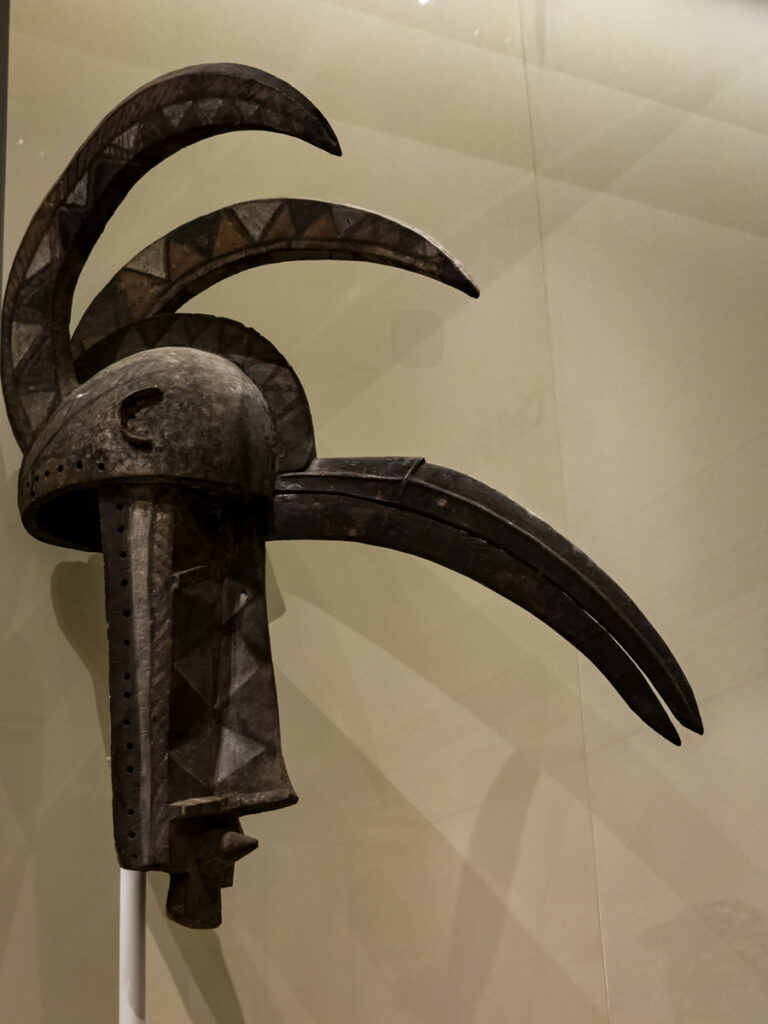
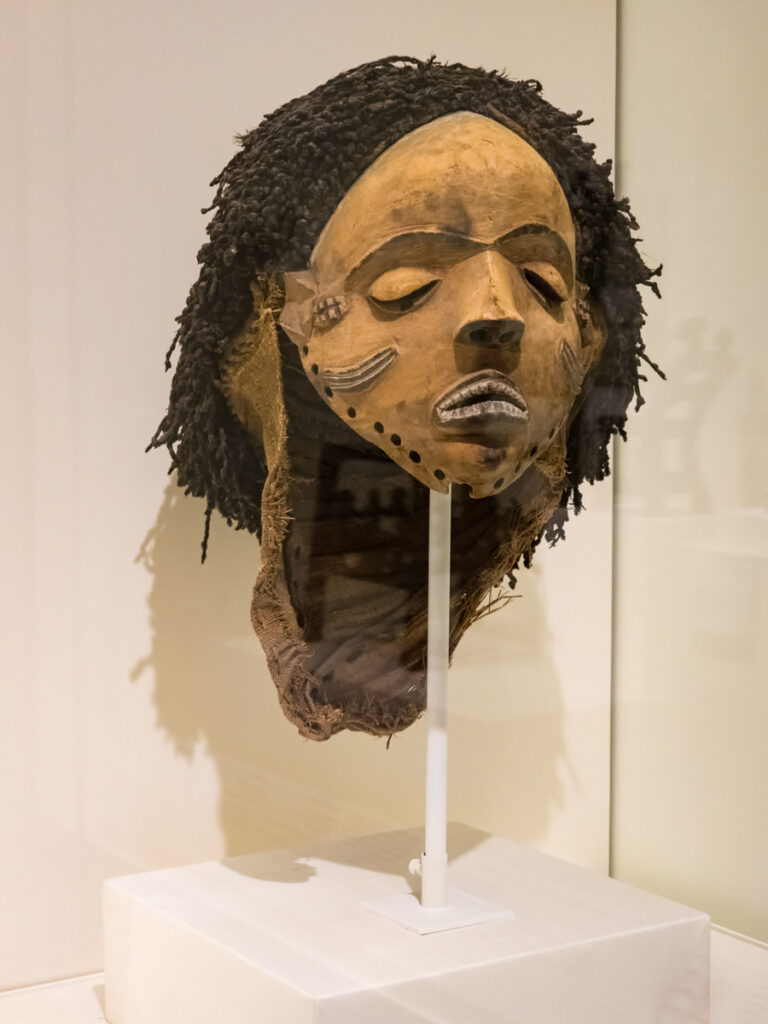
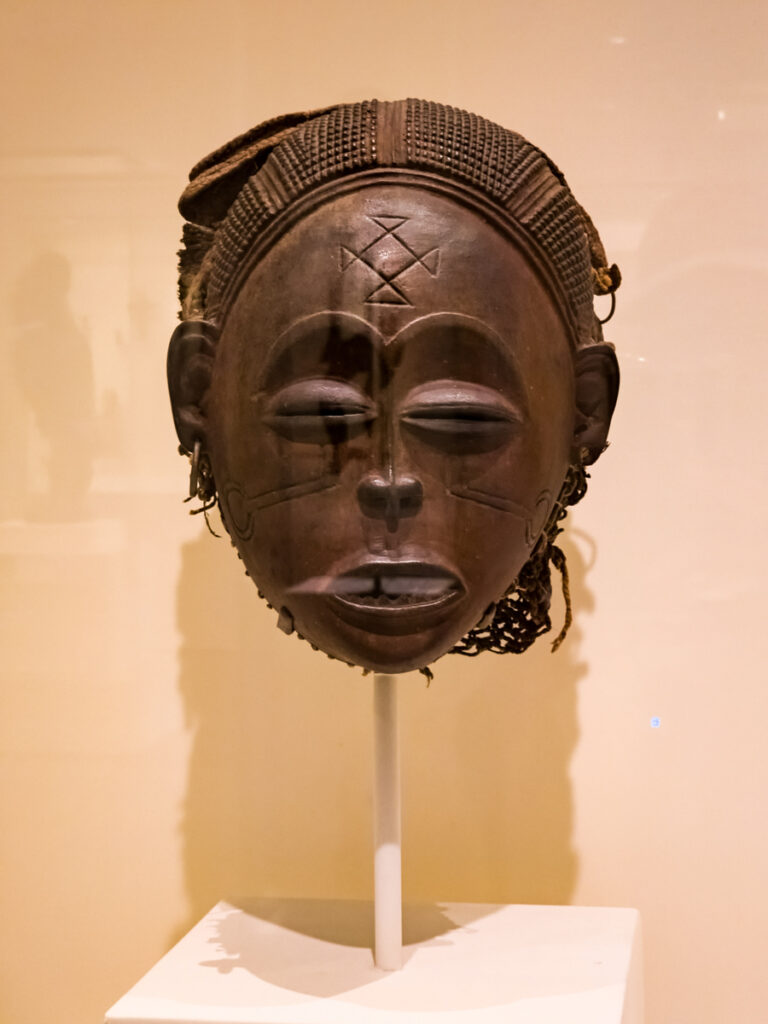
Arts of Oceania
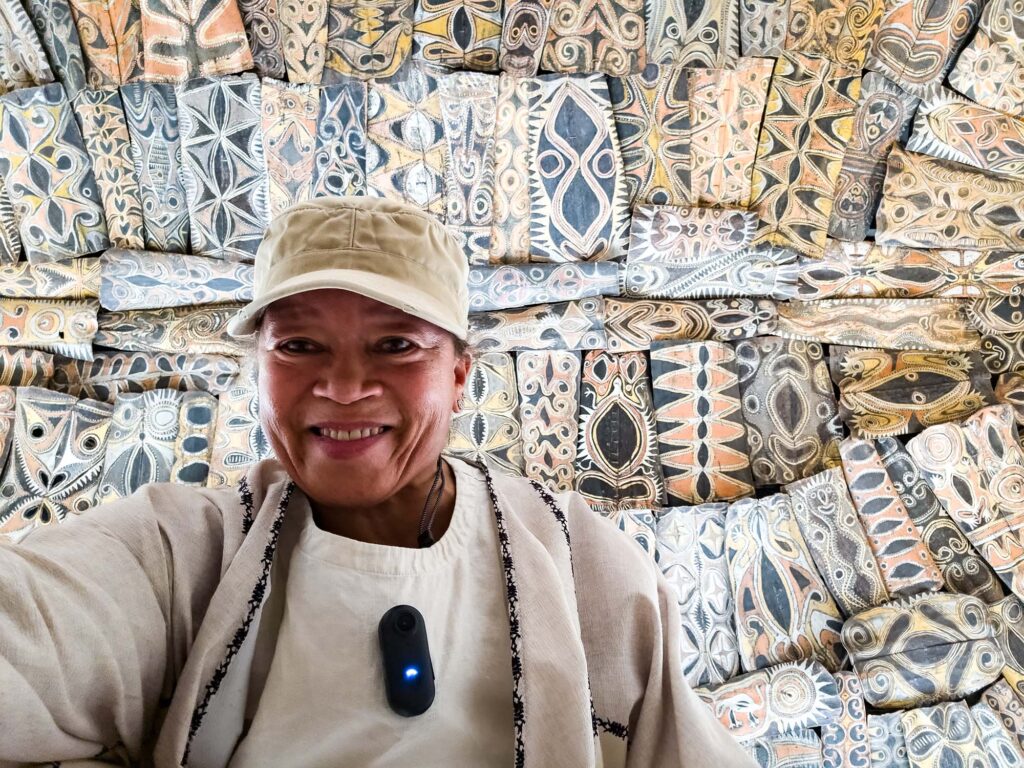
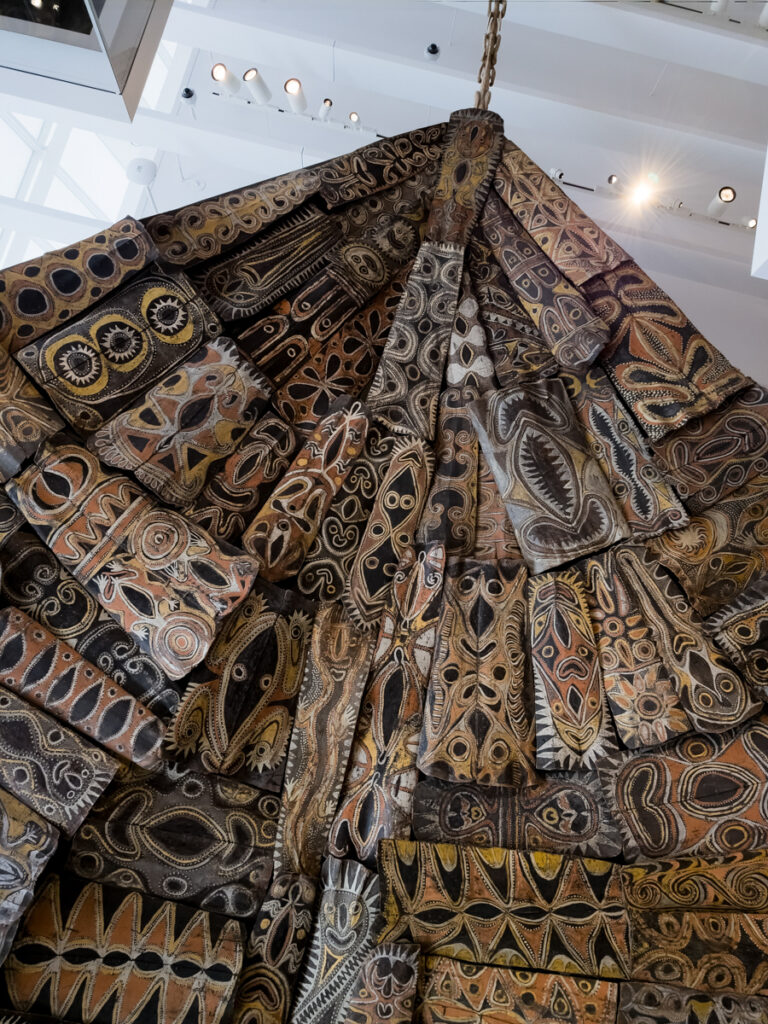
Kwoma Ceiling evokes the interior of a men’s ceremonial house in Papua New Guinea. It has more than 100 individually painted panels, in the new galleries for the Arts of Oceania in the Michael C. Rockefeller Wing.
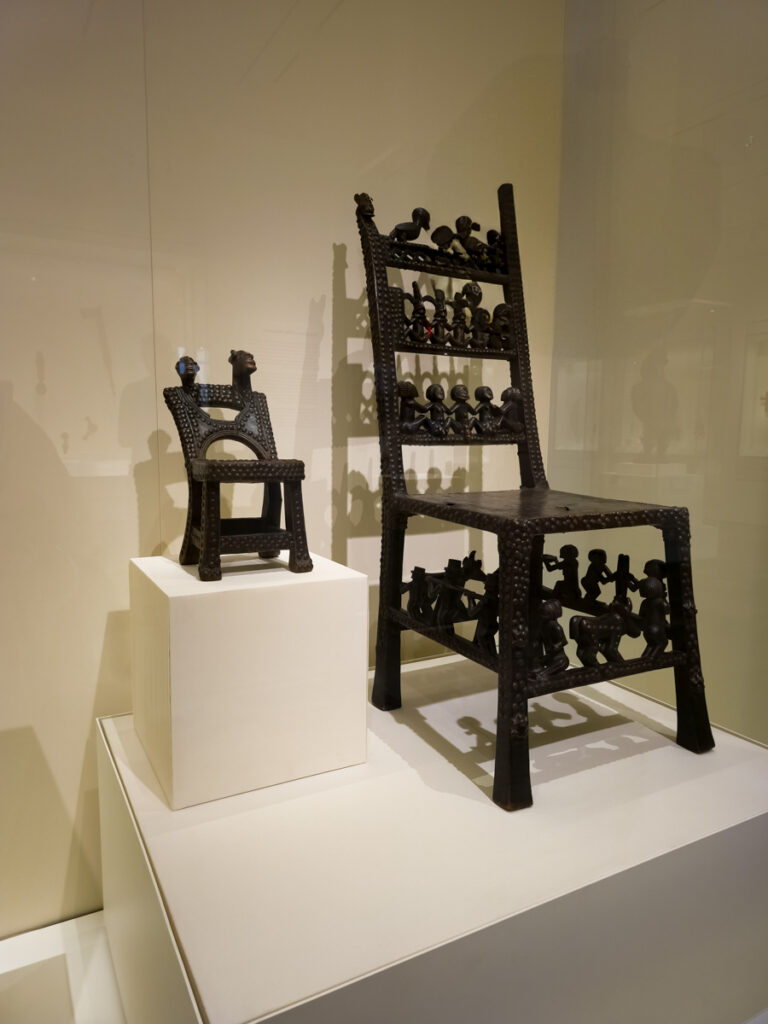
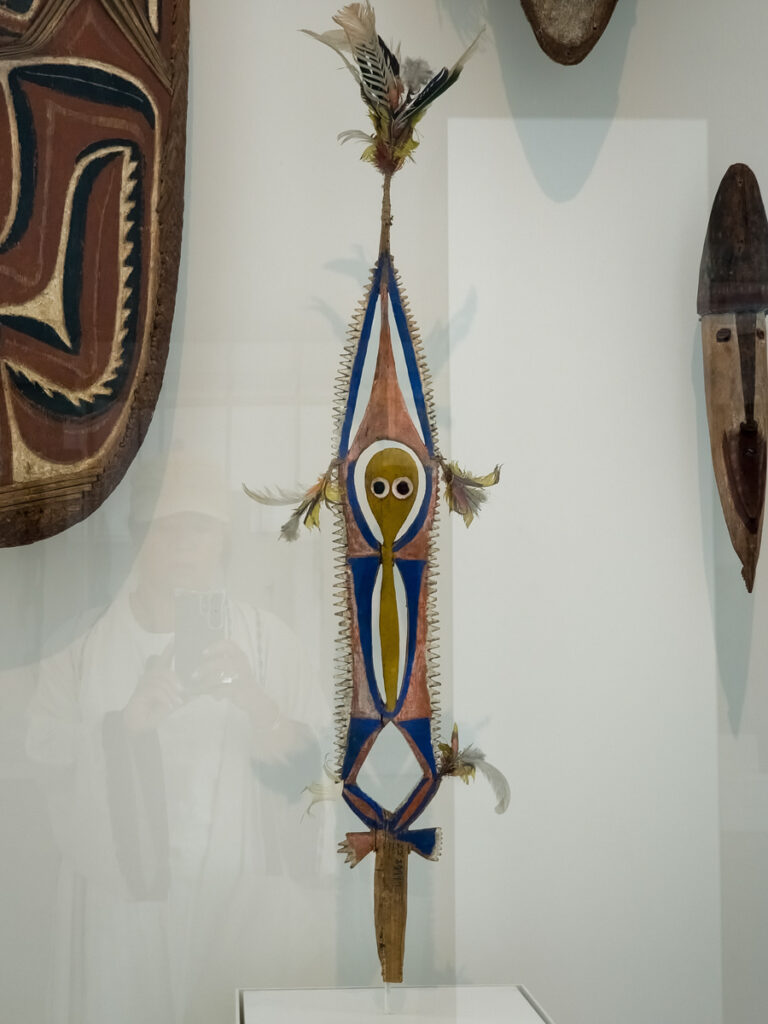
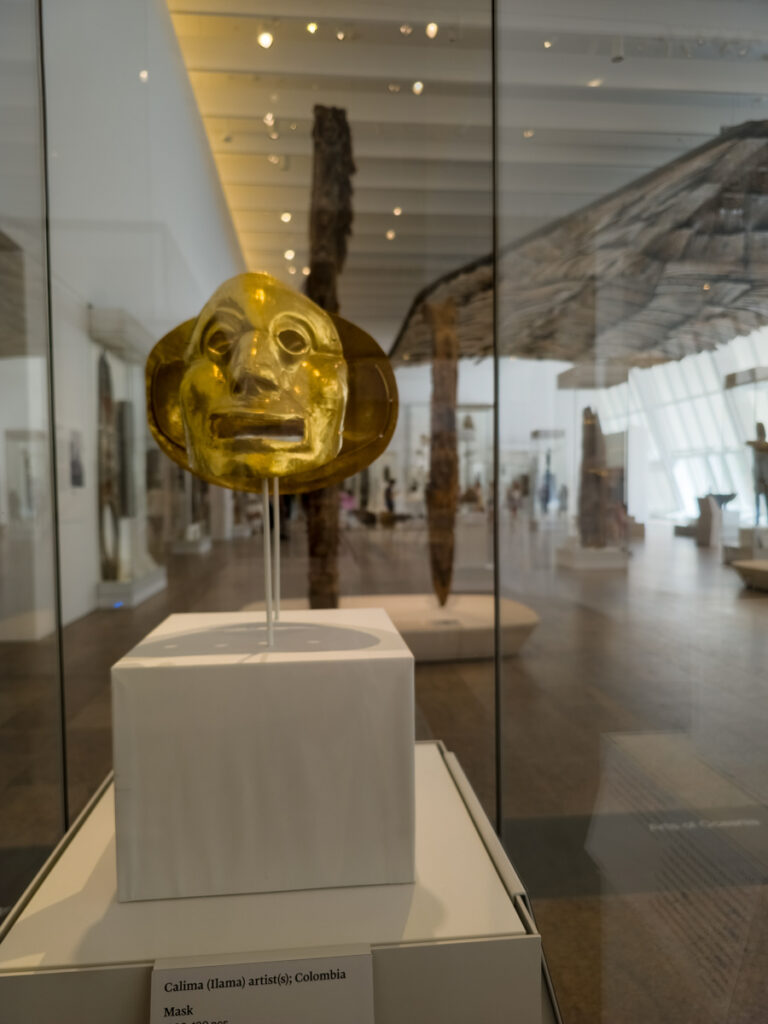

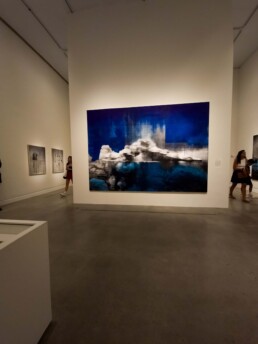
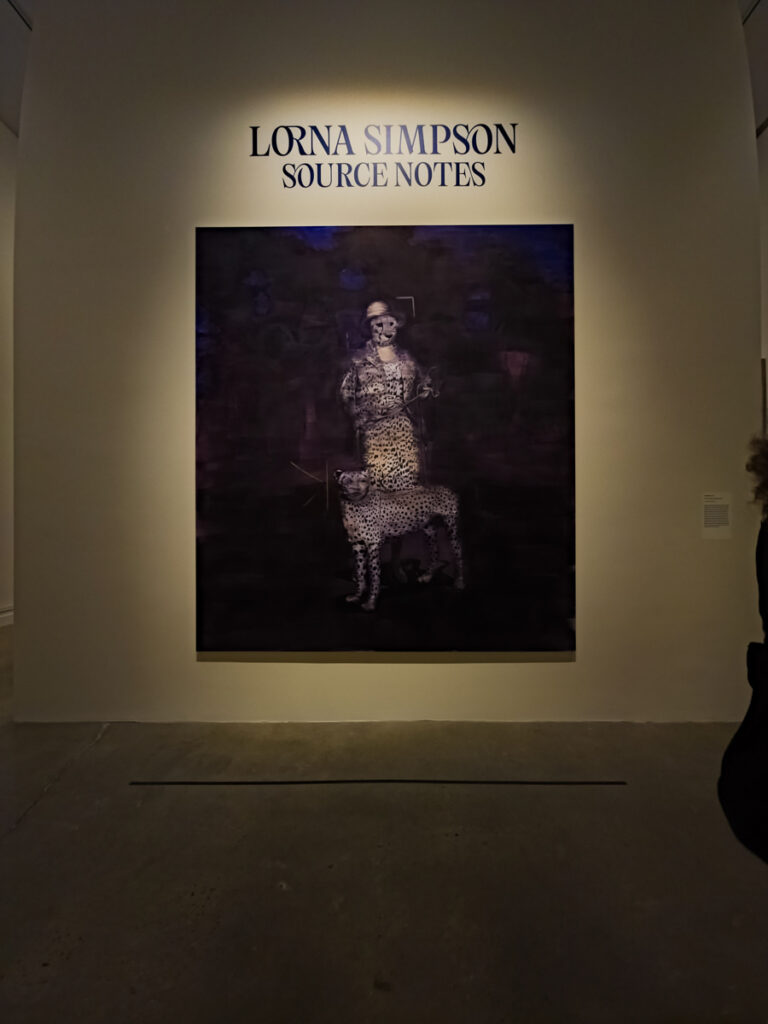
Lorna Simpson | 'Source Notes' MET Museum
And escape it was, into the MET and another maze thru most of museum, this time filled with a huge number of people. Fortunately, fewer were interested in Lorna Simpson or the African and Indonesian art exhibits. As a result, I felt like I had wide open space all to myself. Another immersive walk, this time into color, shape, memory and history.
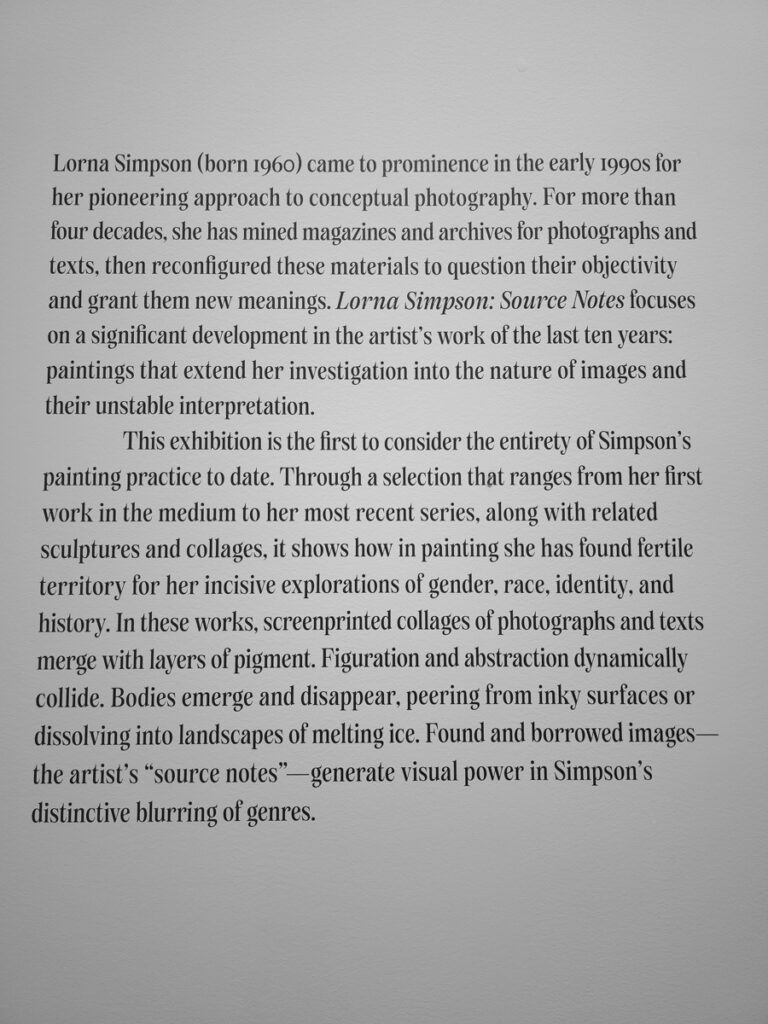
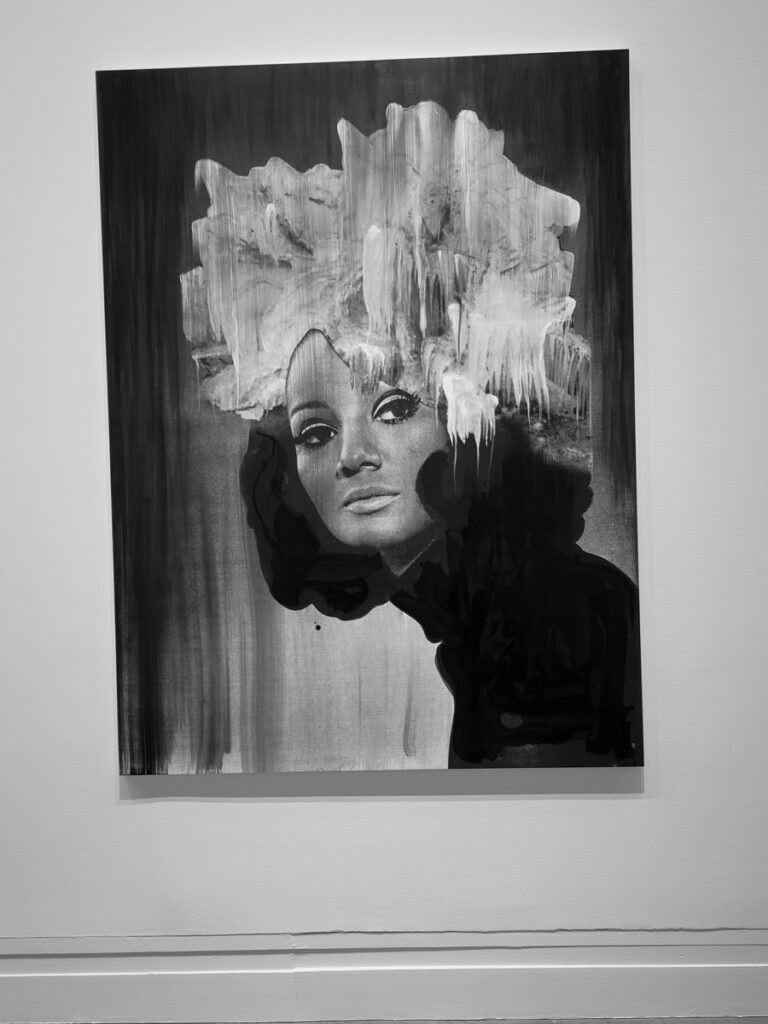
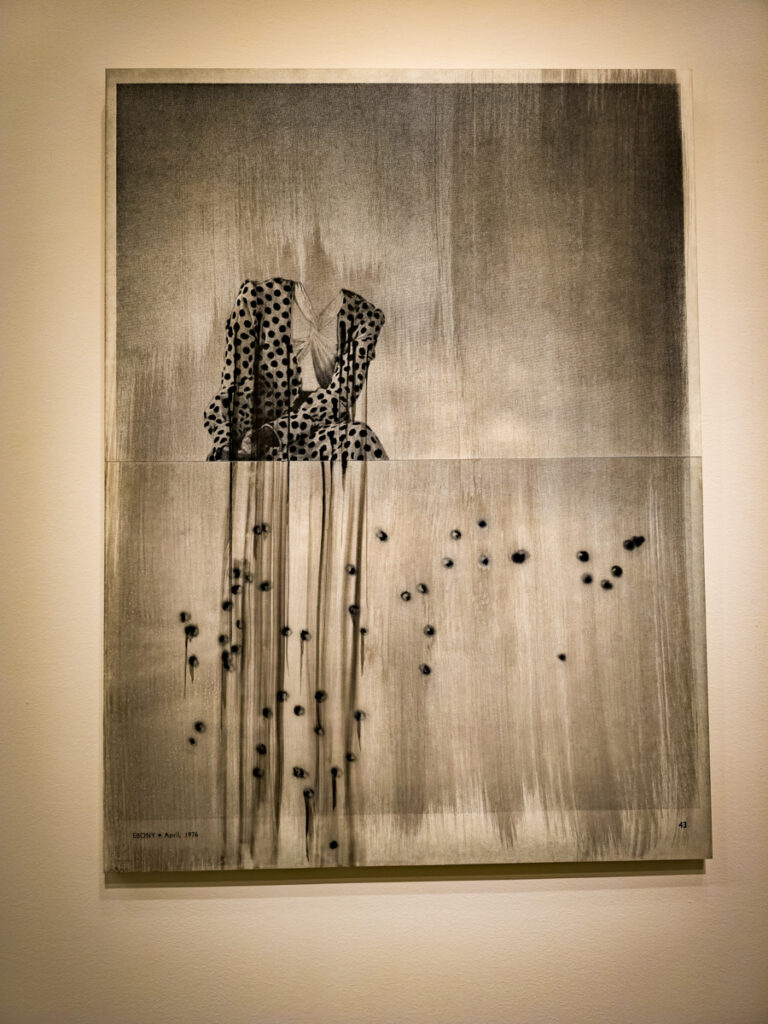
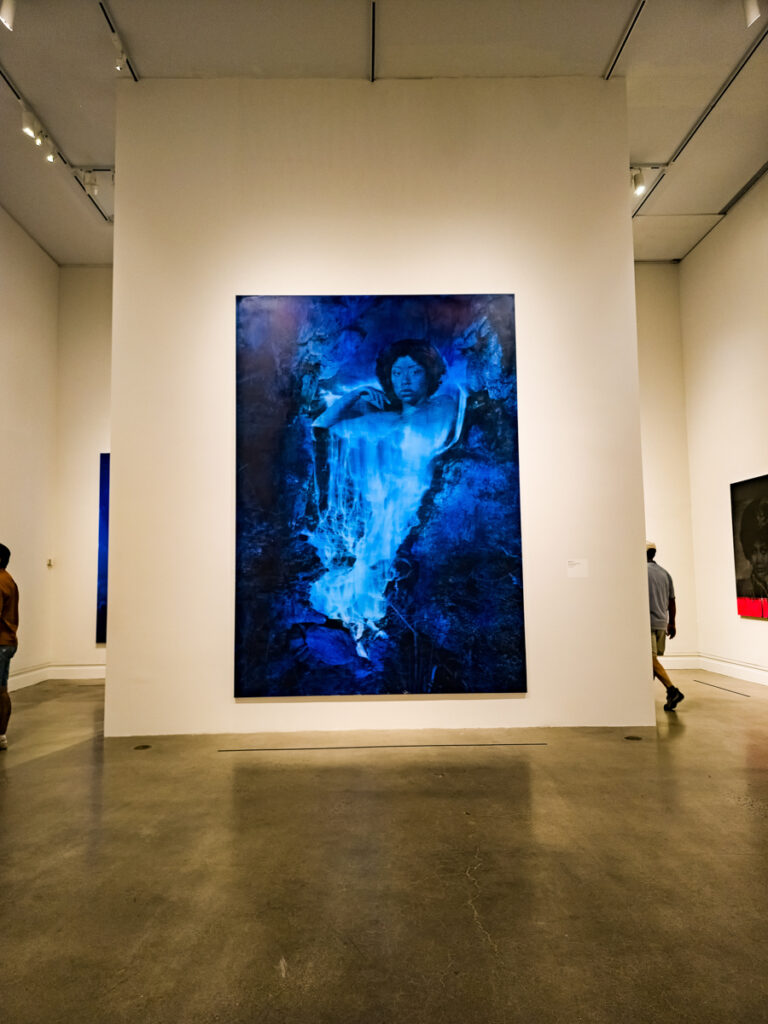
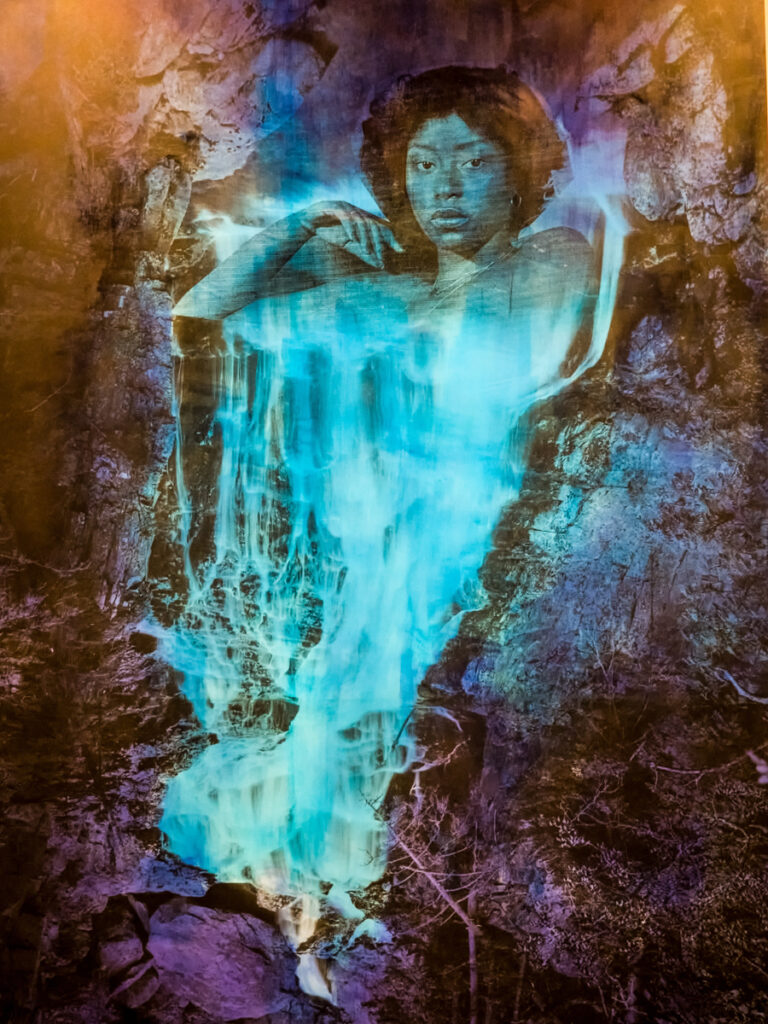
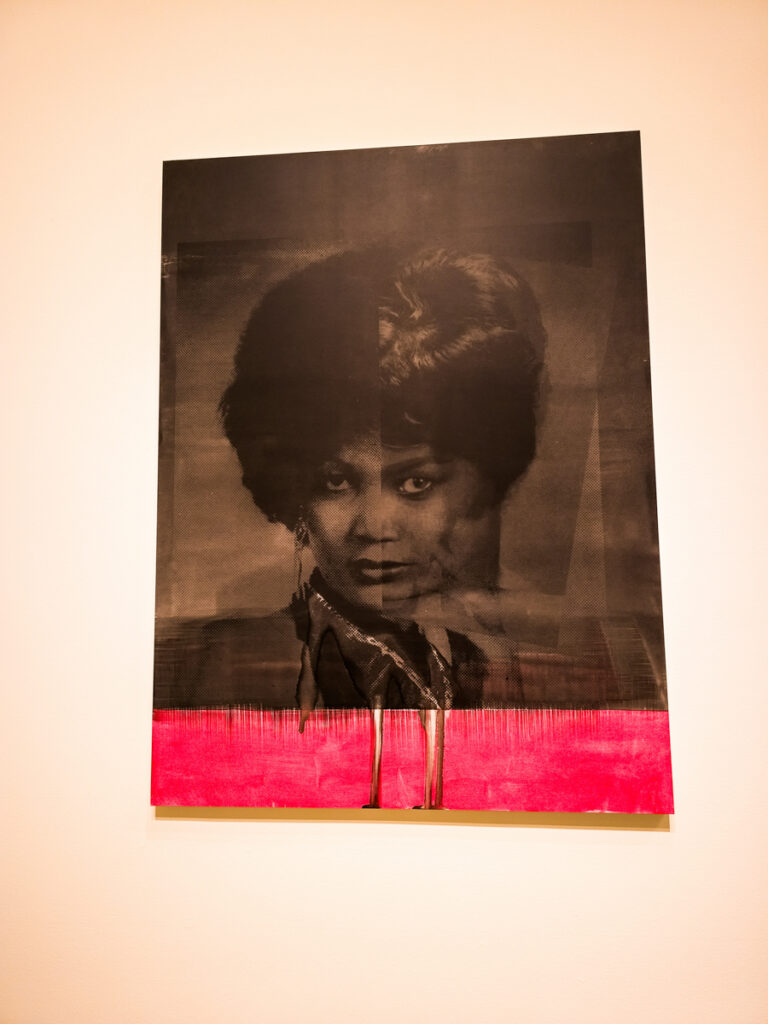
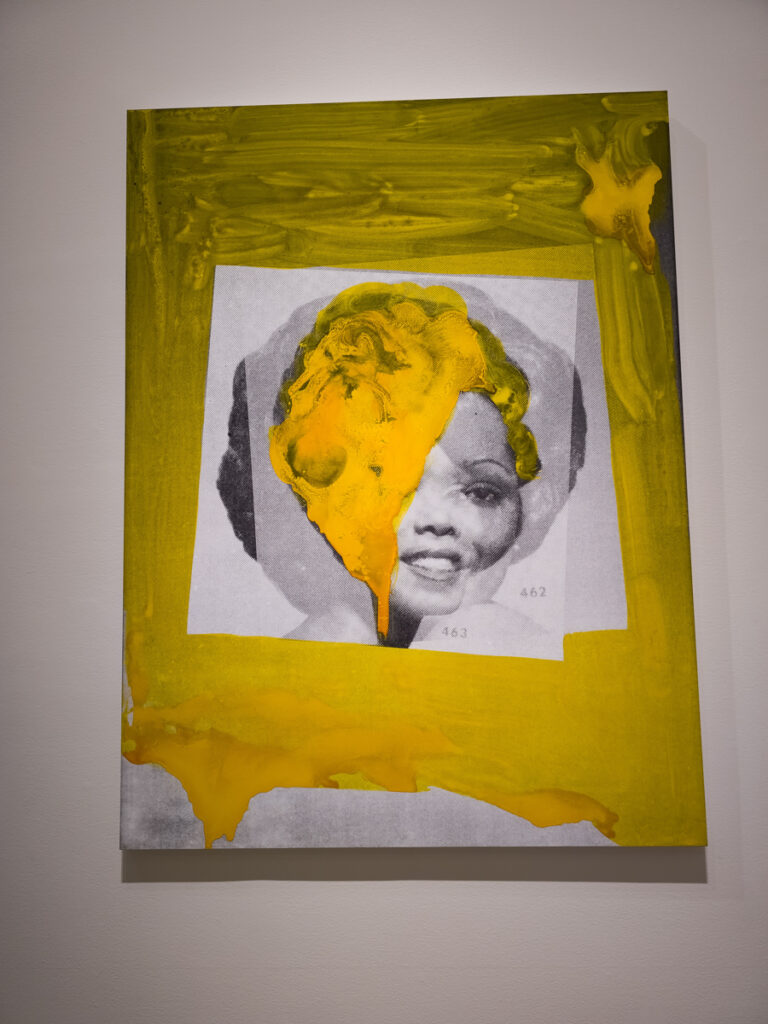
Lorna Simpson: Source Notes focused on a new development in her work of the last 10 years: paintings that advance her incisive explorations of gender, race, identity, representation, and history. This is the first exhibition to consider the entirety of her painting practice to date. Similar to Mickalene Thomas, whose work I saw at the Barnes Foundation in Philadelphia last year, Lorna's “source imagery” and inspiration came from vintage Ebony and Jet magazines and incorporated them into screen-printed collages with washes of color - ink and acrylics - onto various surfaces. fiberglass, wood, or Claybord.
Originally a photographer, she has mixed and melded her creative expression and genres.
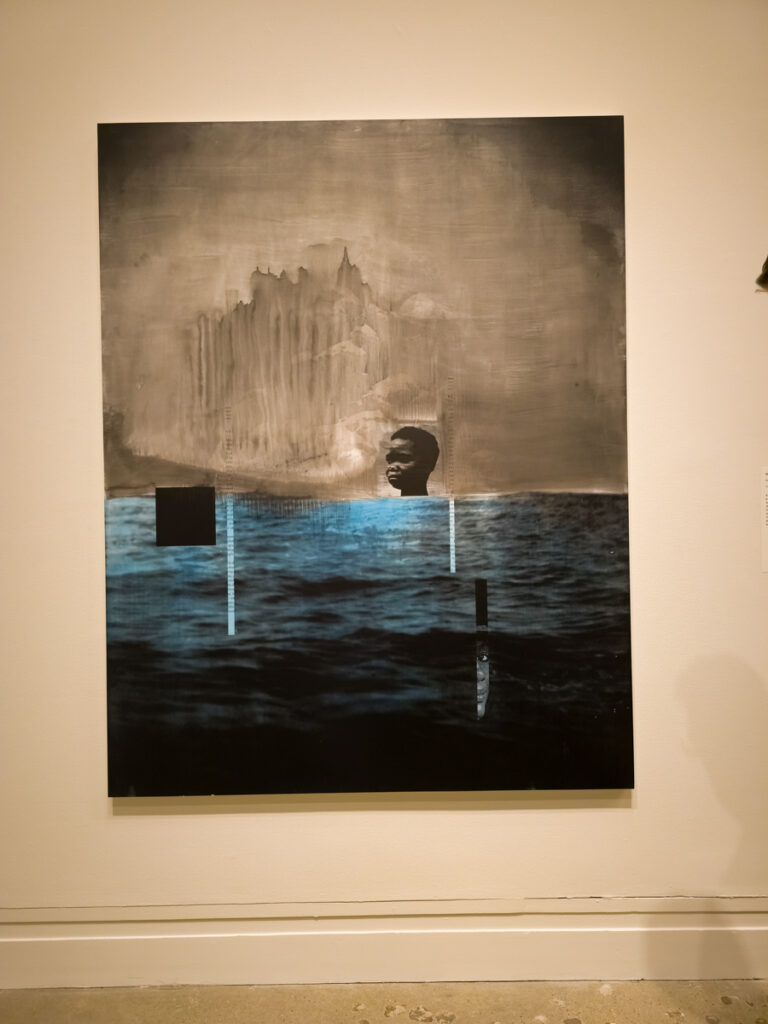
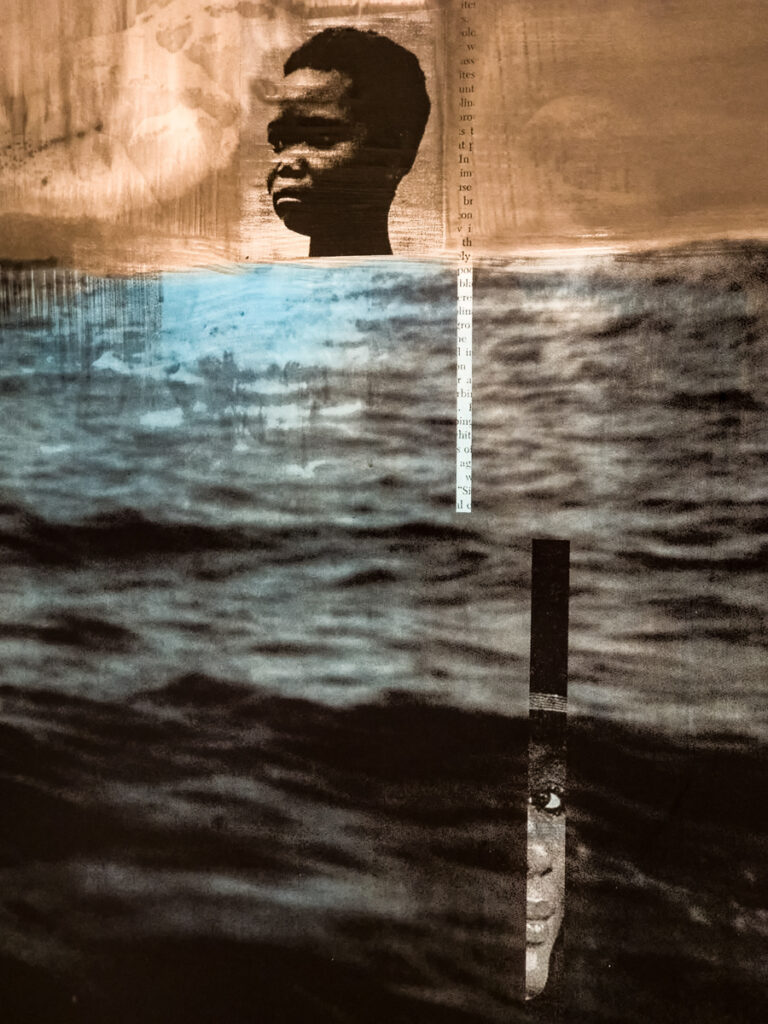
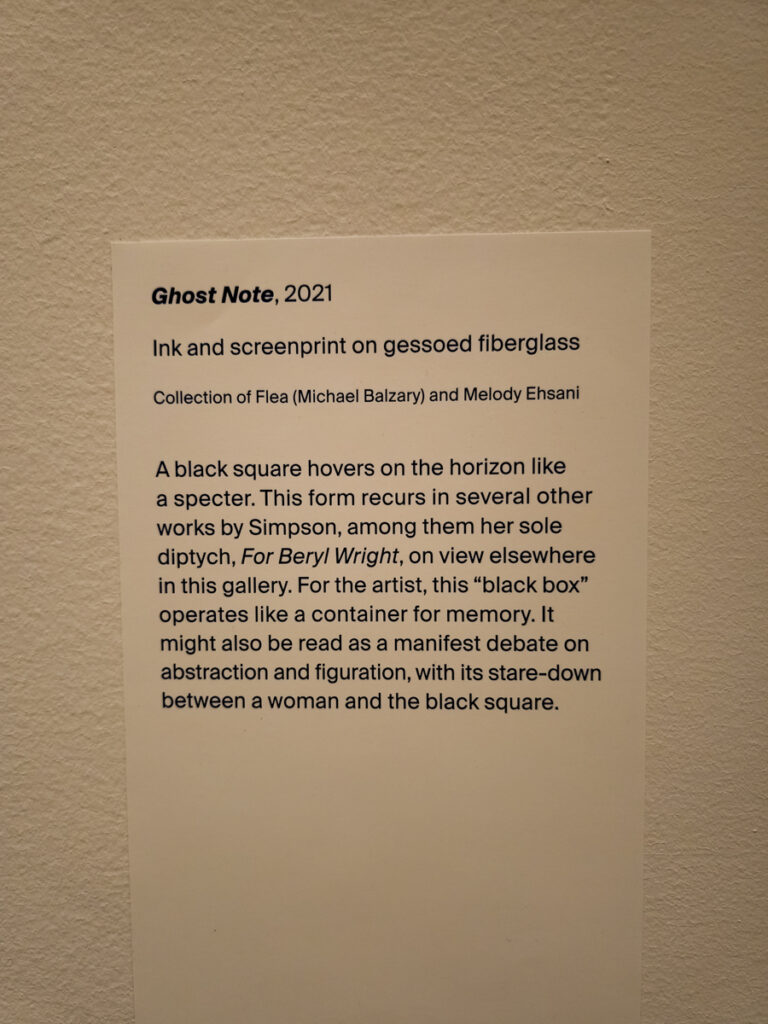
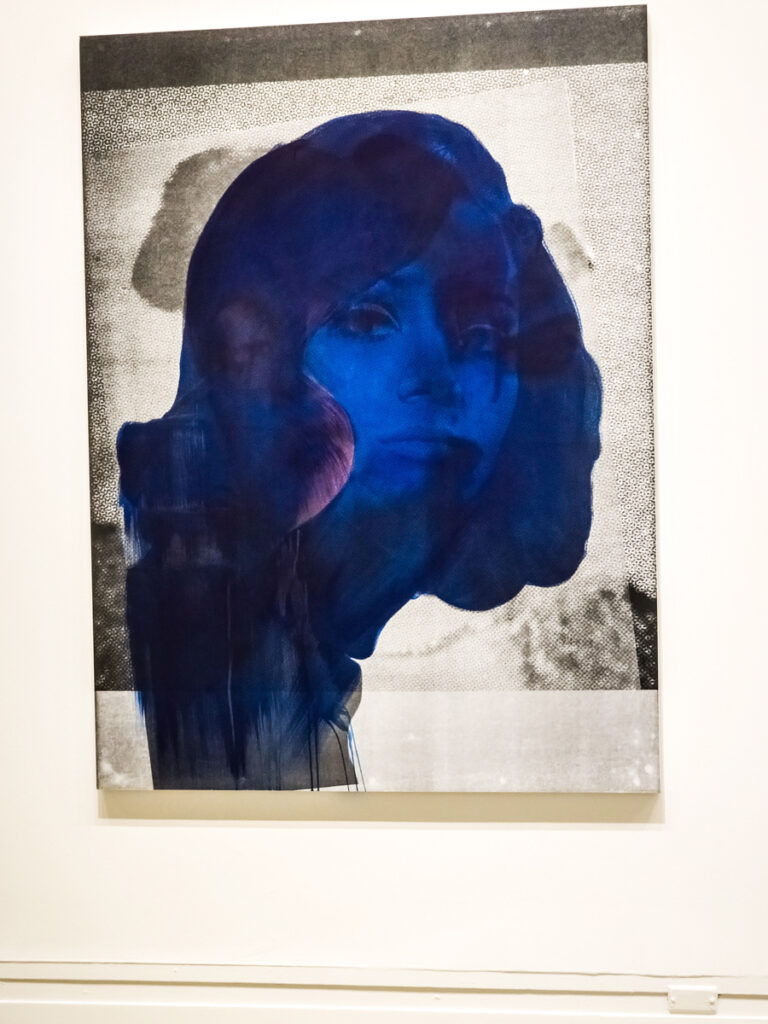
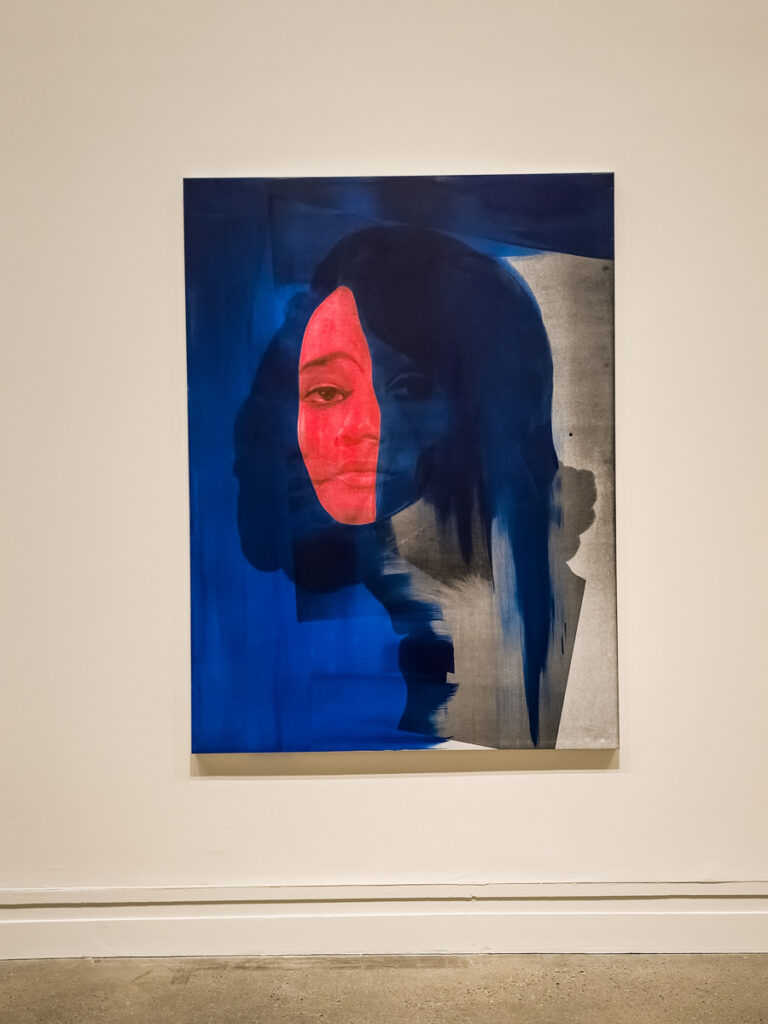
Ice
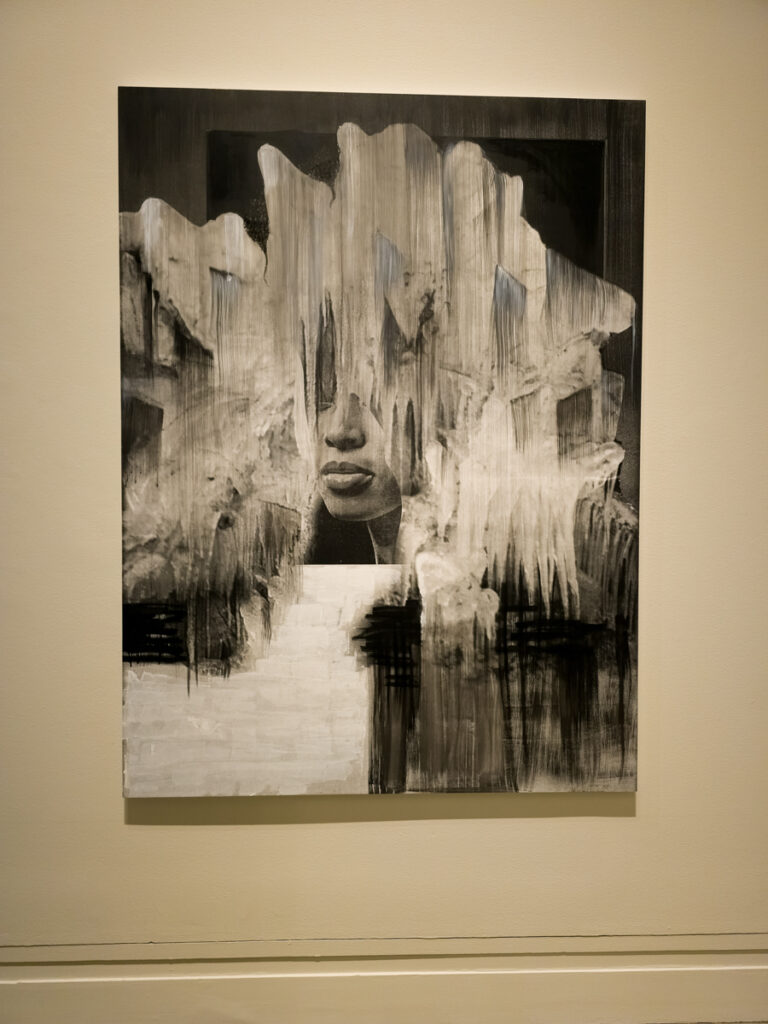
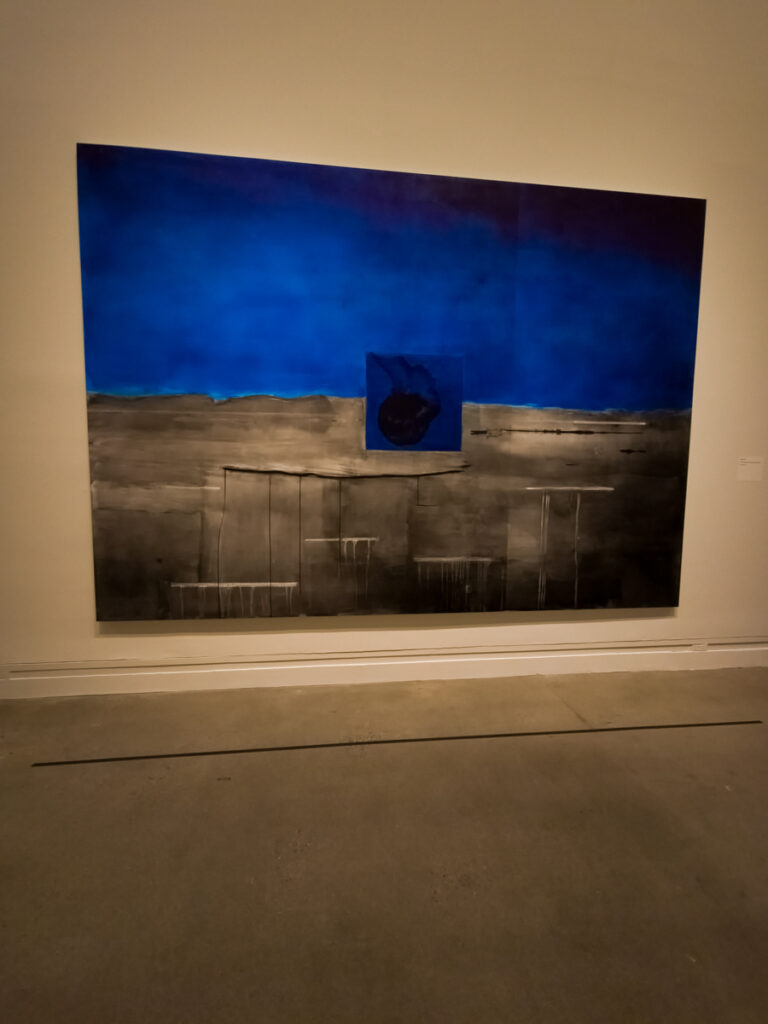
Apparently, she transitioned from photography to painting icy landscapes, “new territory for an artist who has focused on socio-political commentaries for much of her career” and started exploring it as a metaphor in 2018.
“Simpson compares these icy, inhospitable terrains to the current culture in America, which is still rife with discrimination, and segregation. Some of her landscape paintings also feature ghostly, African-American women's faces dissolving into her indistinct, mountainous blurs, emphasizing the hidden issues of racism that still haunt the American dream.”
“Known predominantly as a photographer, painting is a radical new development in Simpson's practice, one which was not without its risks, as she explains, "At first I was a little intimidated about working in this way," she commented, adding, "It seemed a little absurd ... and then I thought ... you fail, you fail. So what?”
No failure here.
Source: https://www.theartstory.org/artist/simpson-lorna/
Diane Arbus | 'Constellation' Park Avenue Armory
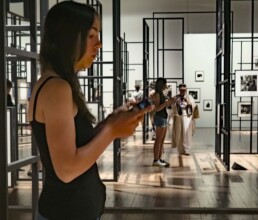
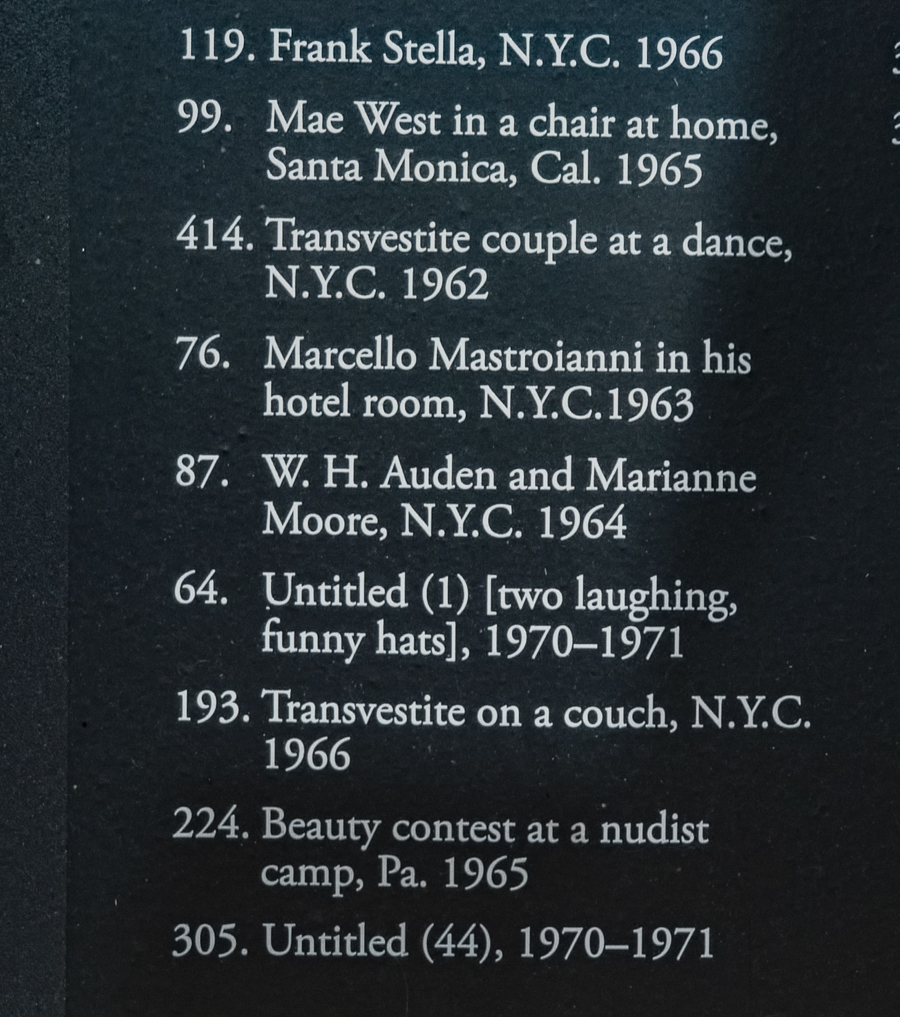
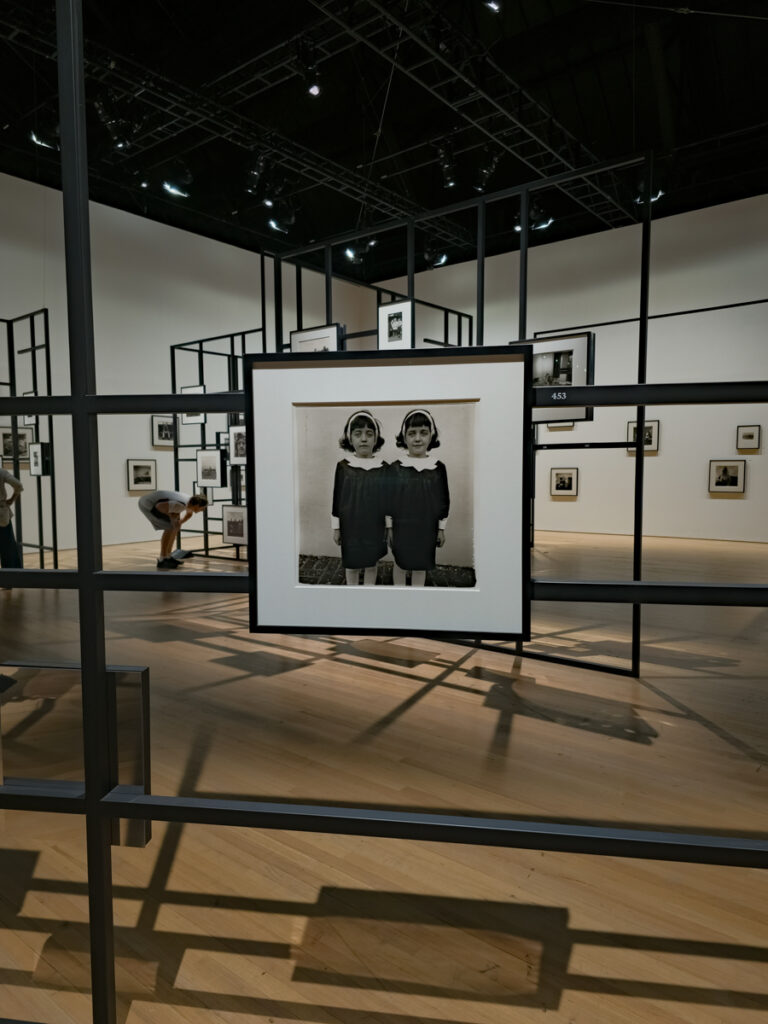
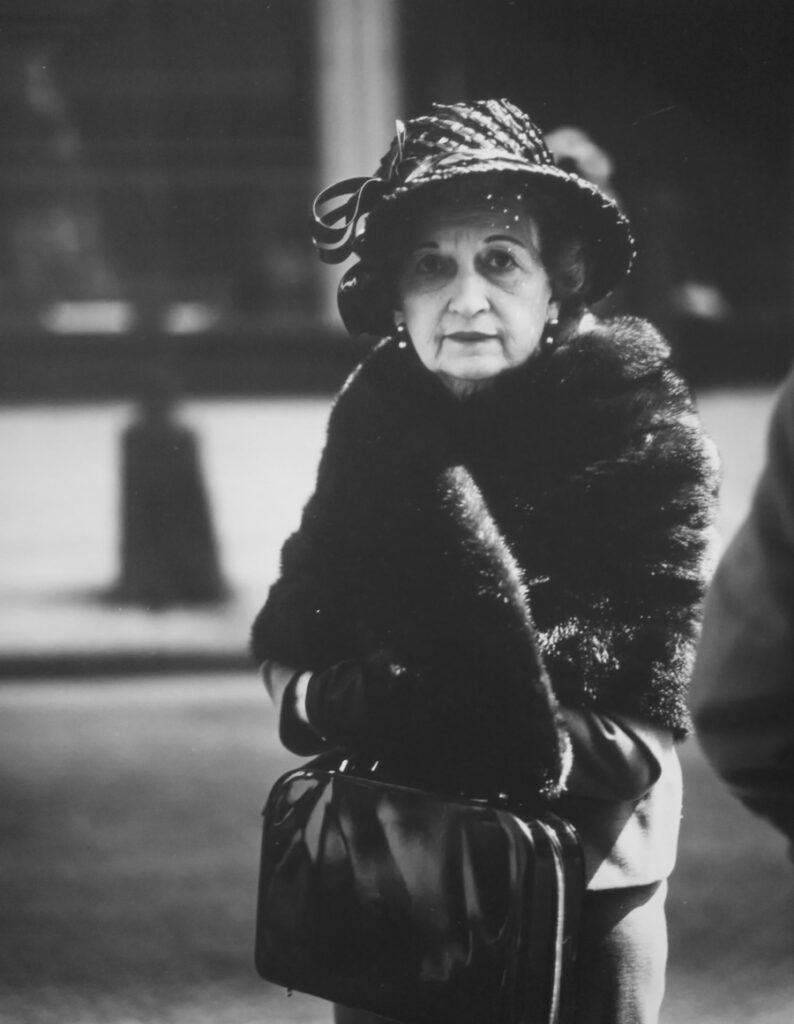
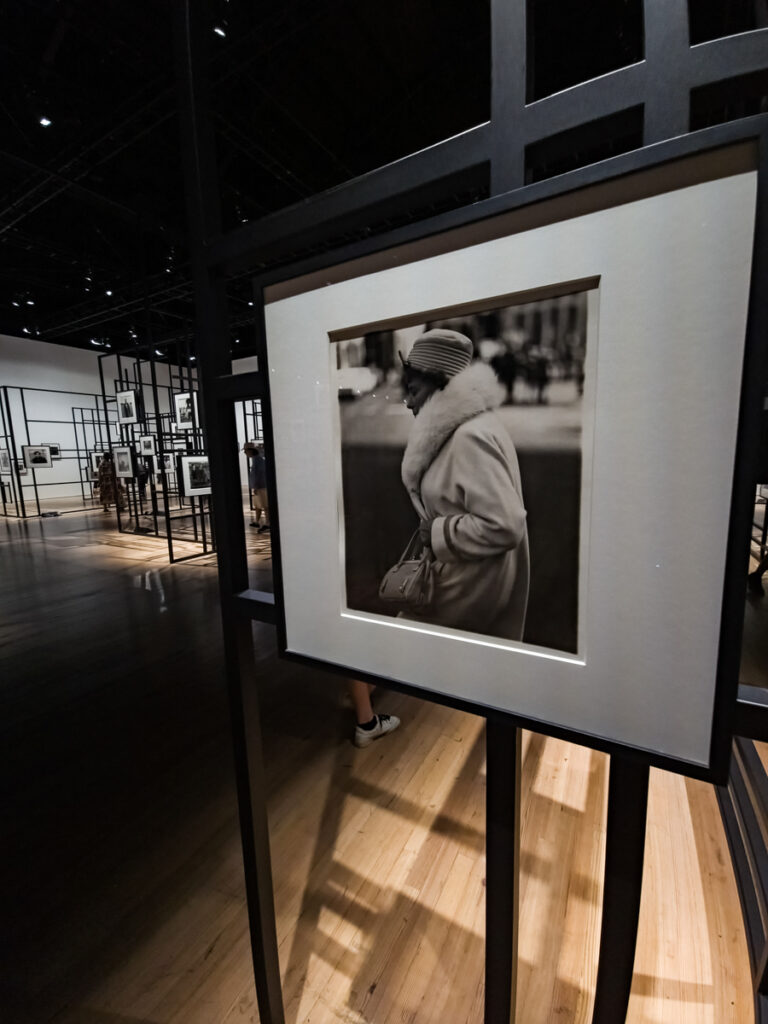
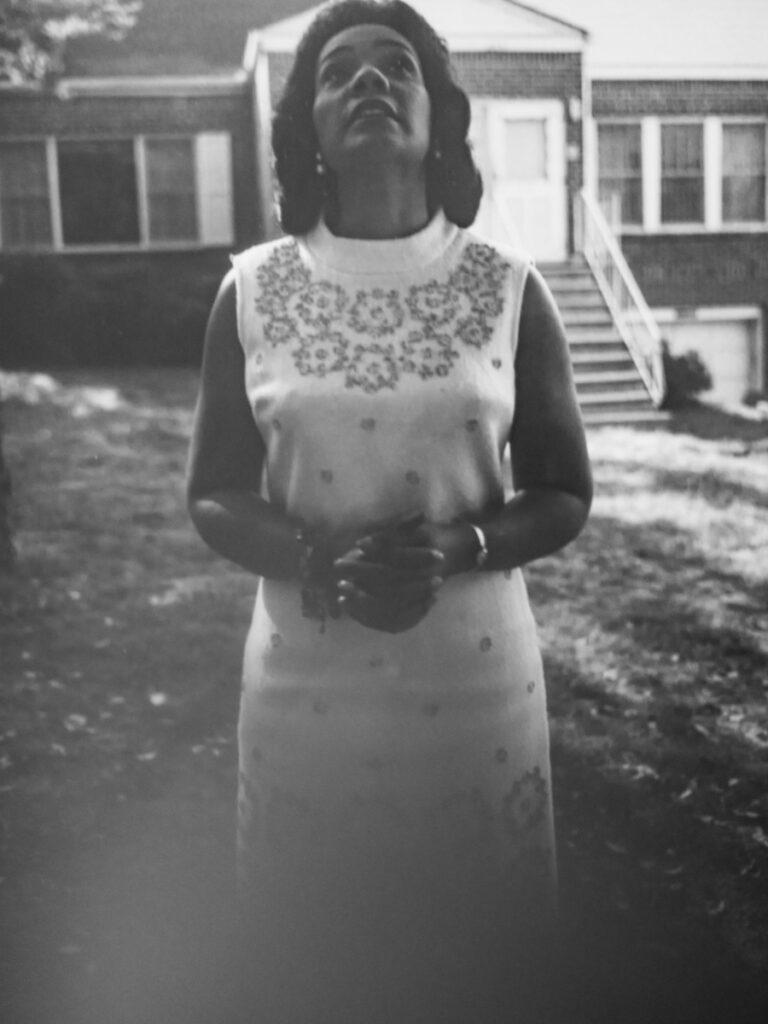
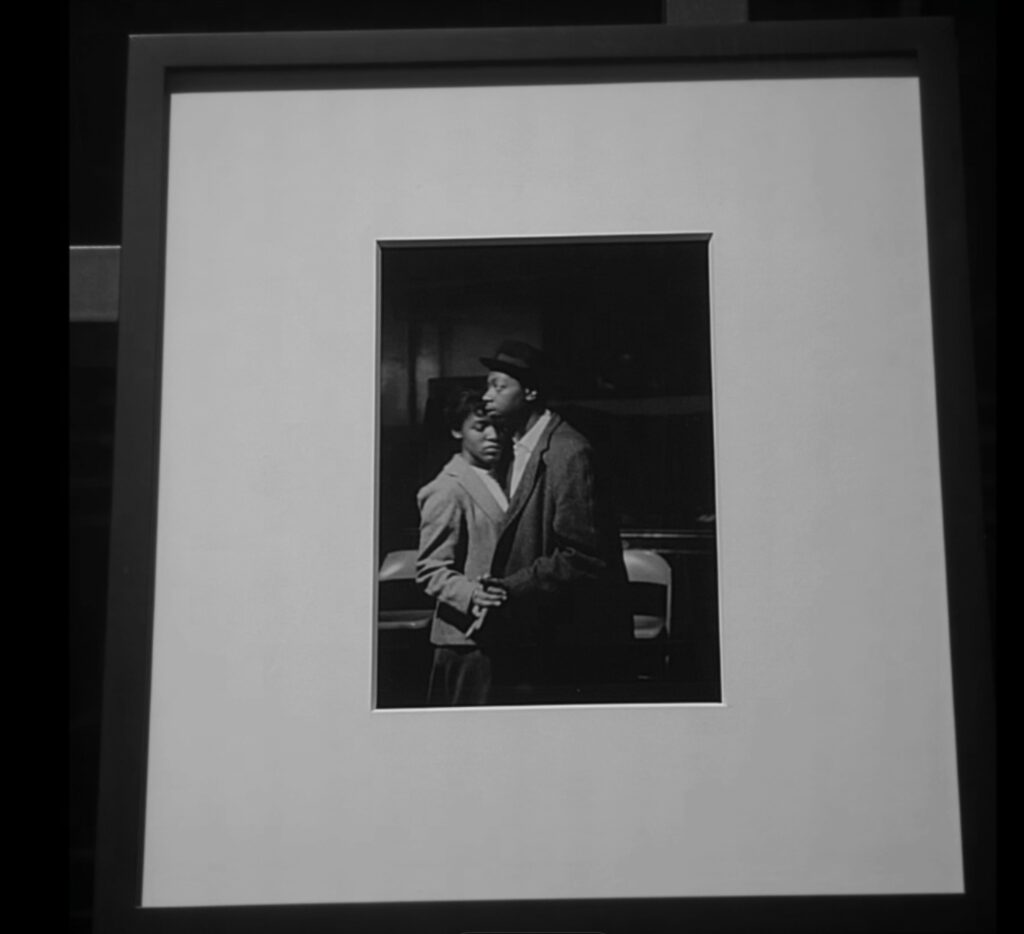
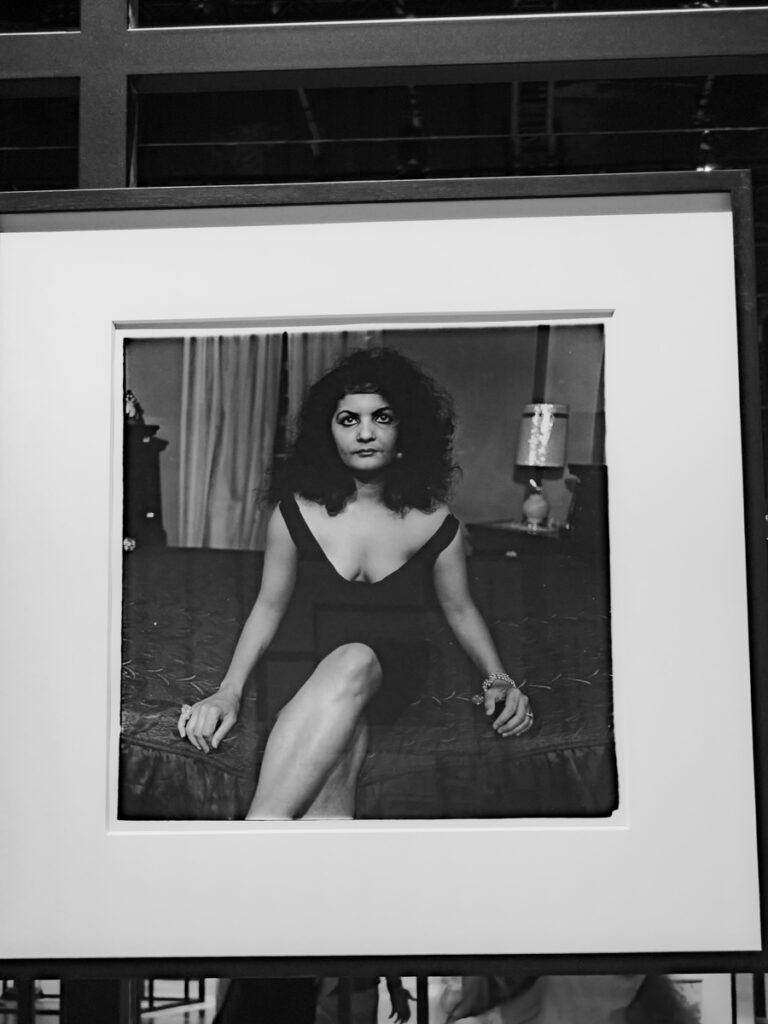
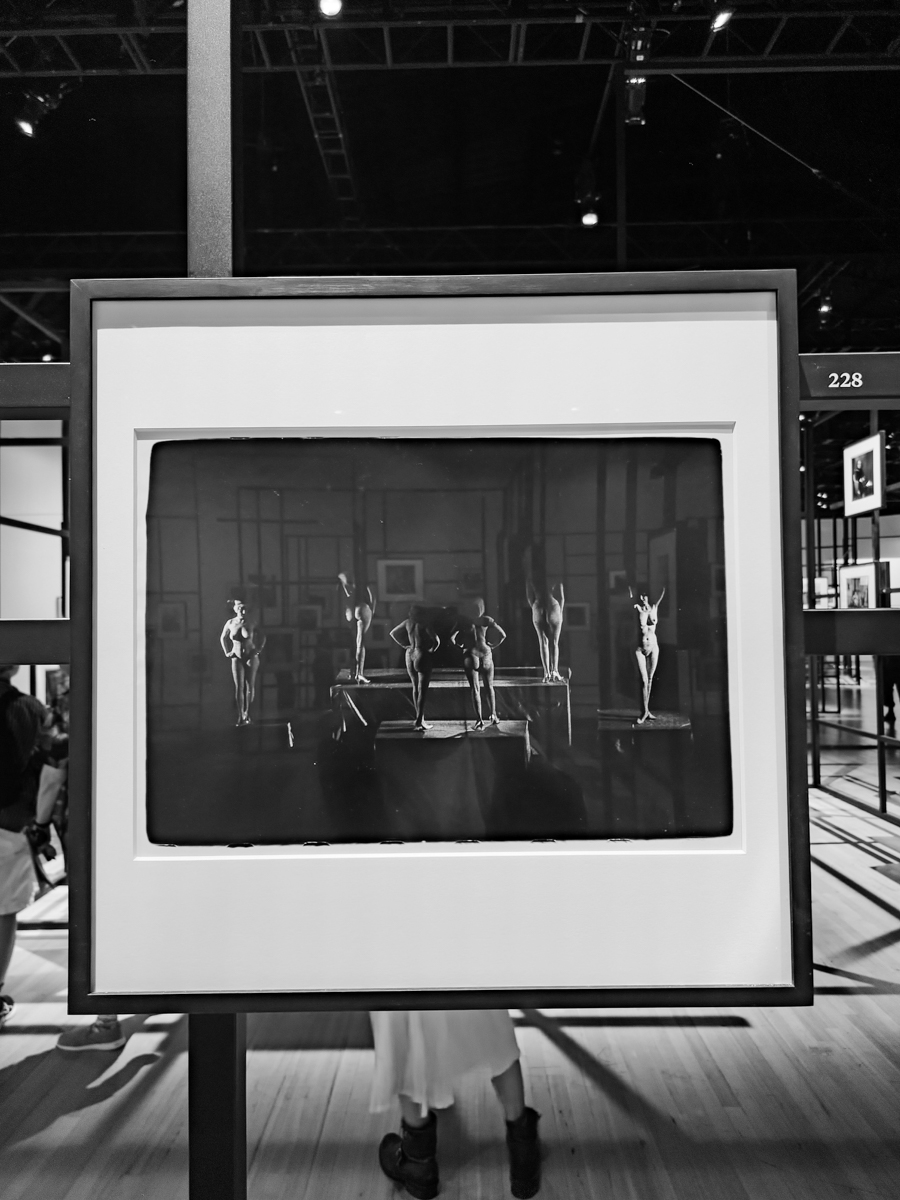
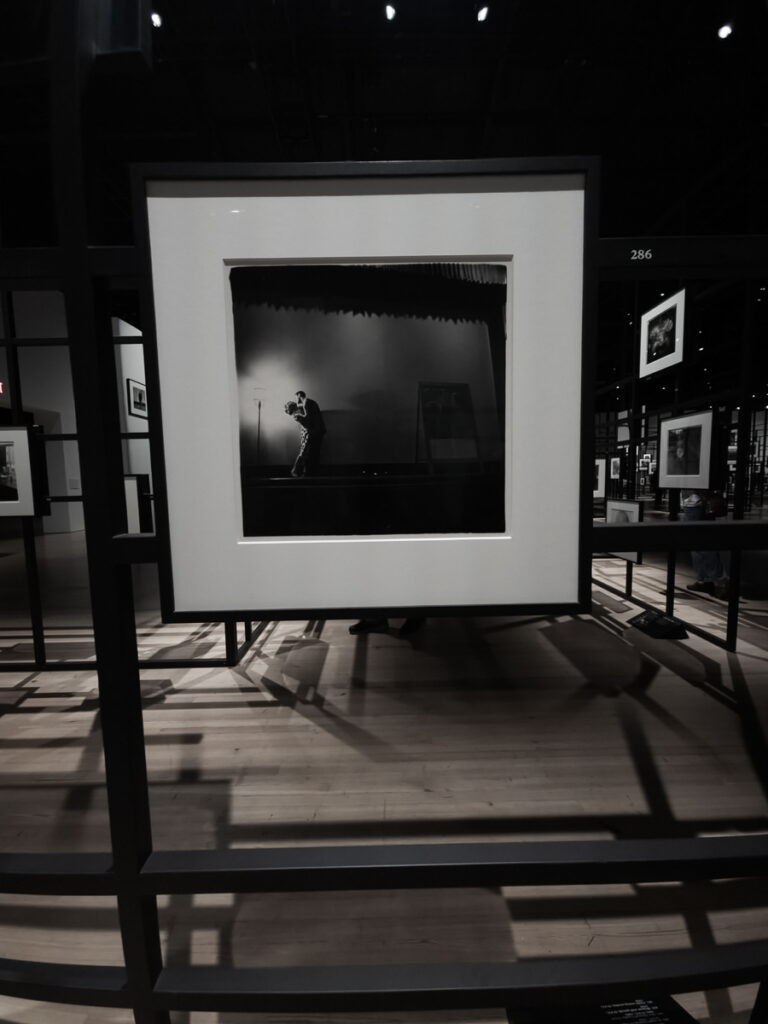
"Diane Arbus: Constellation"was on view at the Park Avenue Armory in New York City, marking the largest and most complete presentation of the photographer's work ever shown in the city. With over 450 photographs, including many never-before-seen prints, arranged in a fully immersive, very unconventional installation that I thoroughly and completely enjoyed.
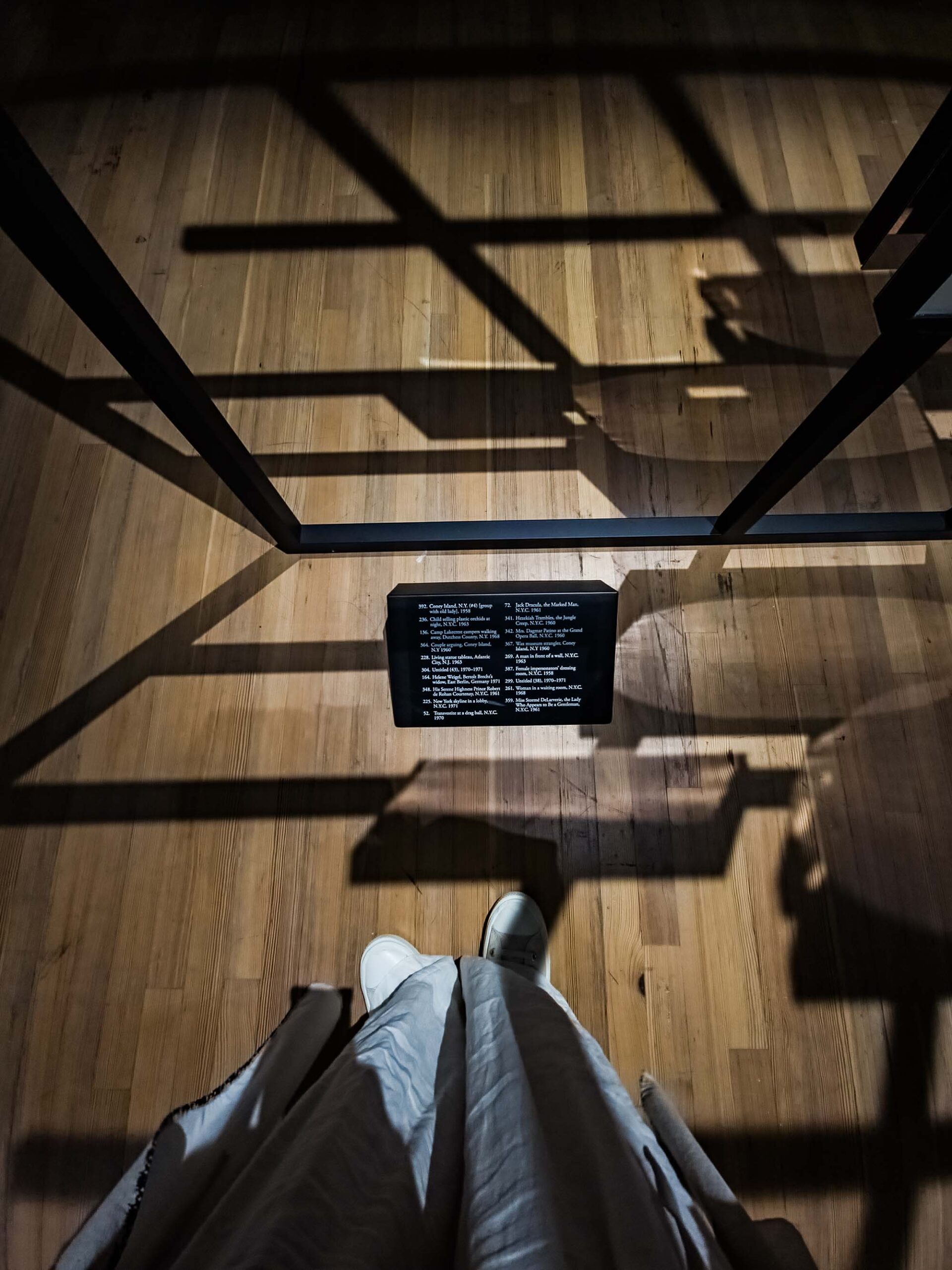
It was like walking through a maze of delights and a really smart way to present this work. The exhibition, curated by Matthieu Humery and presented in collaboration with LUMA Foundation, filled half of the Armory's 55,000-square-foot hall with creating a dynamic and overwhelming experience. Designed to evoke a "constellation" or an alternate subway map, encouraged the viewer to simply "wander and discover connections through chance and exploration, rather than following a linear narrative."
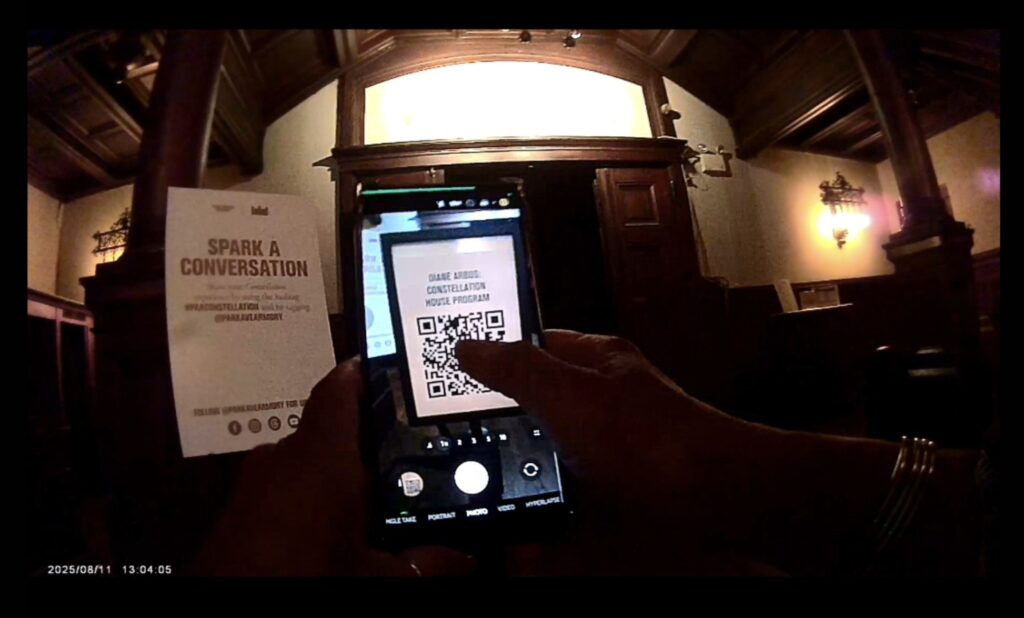
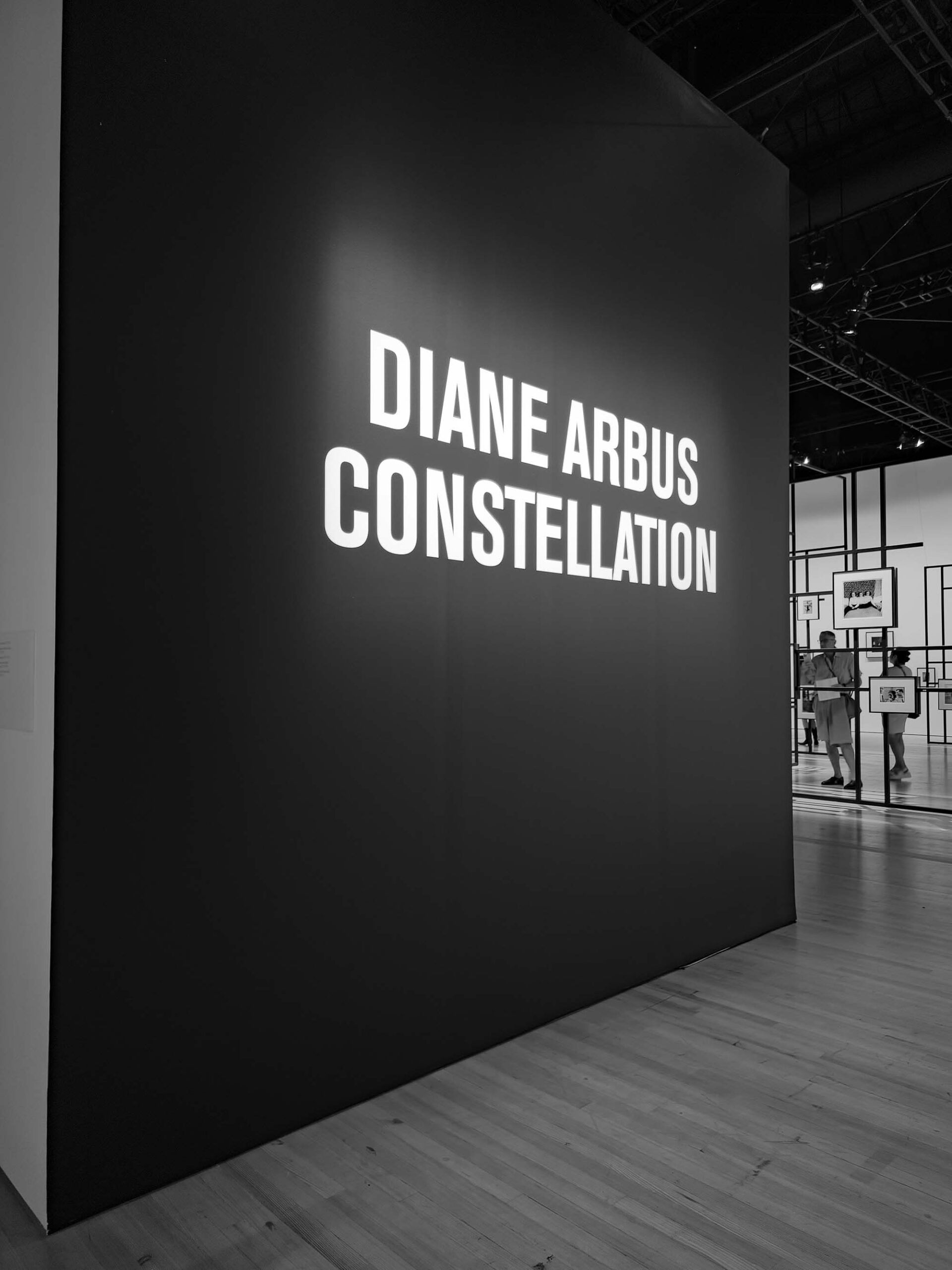
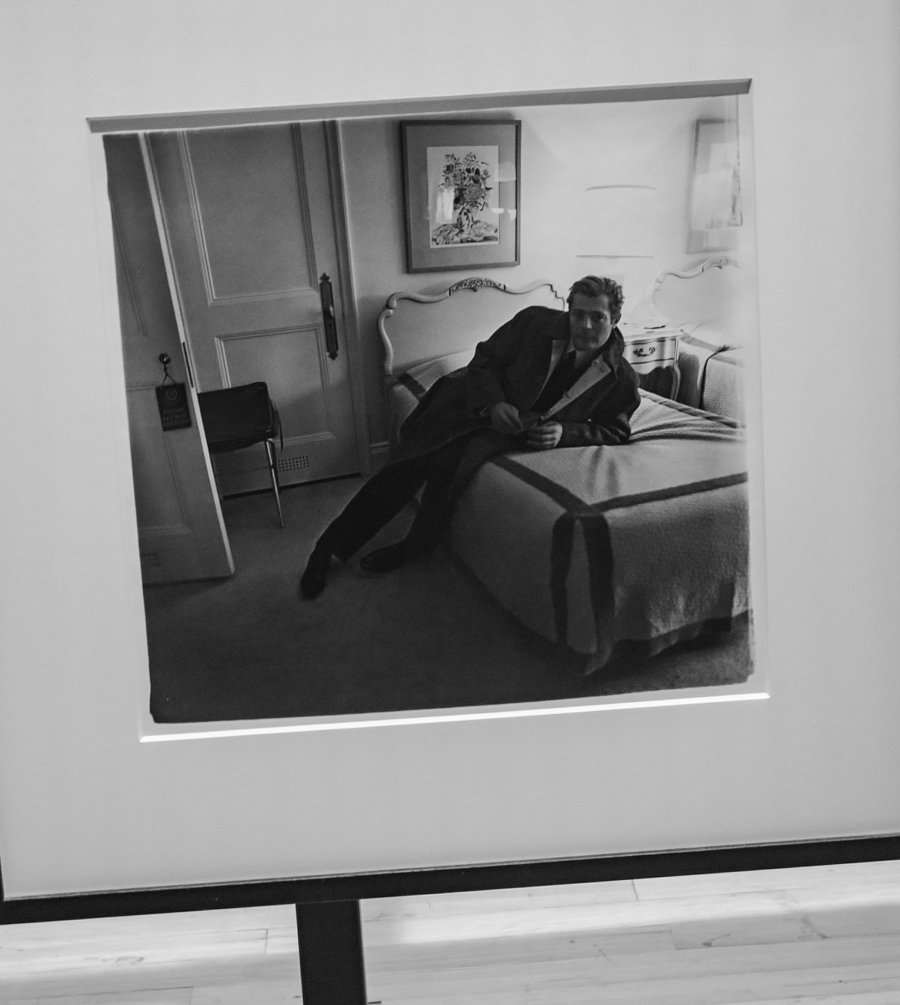
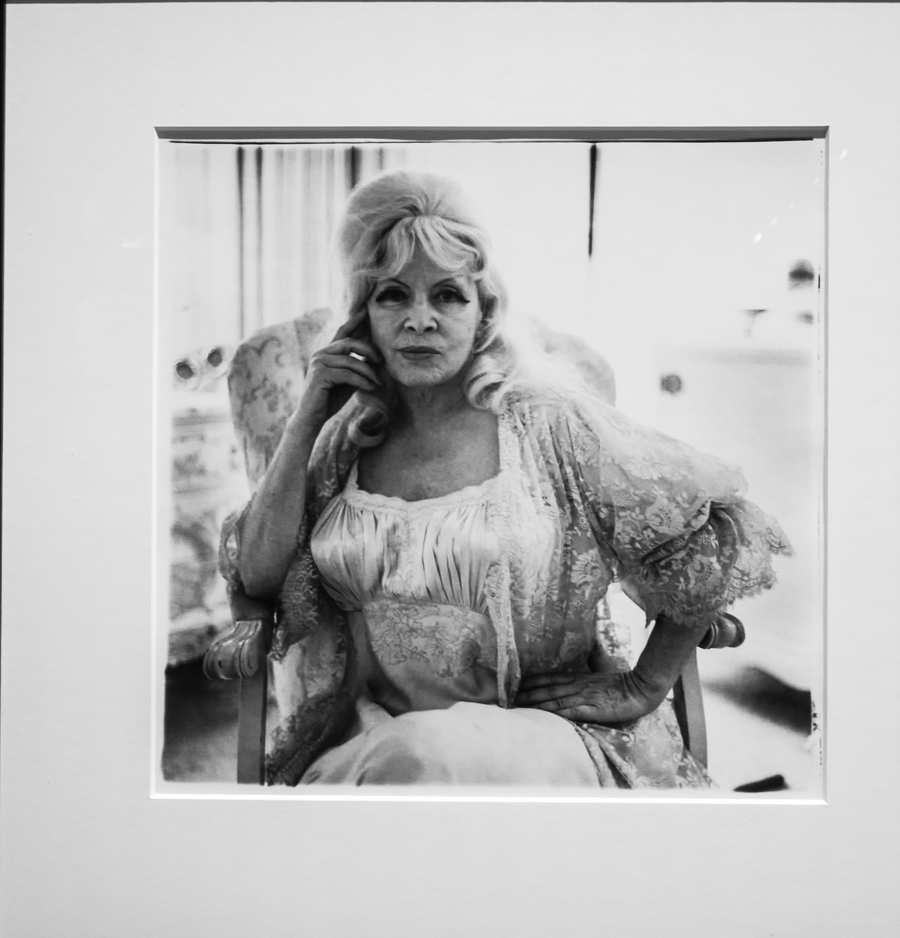
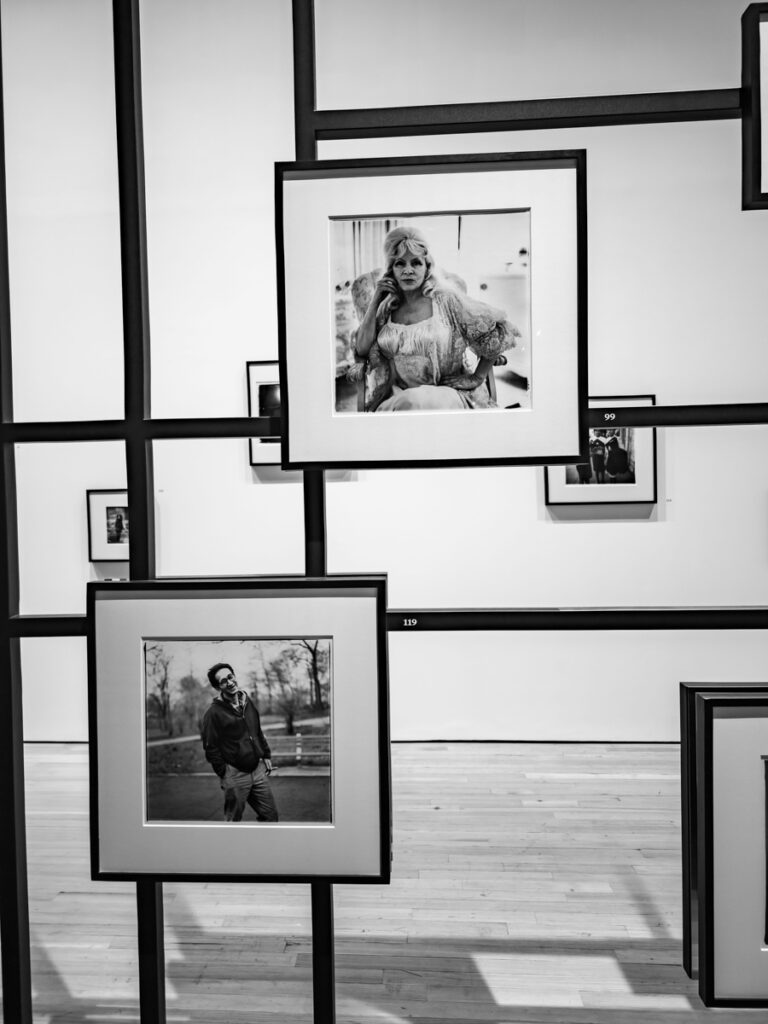
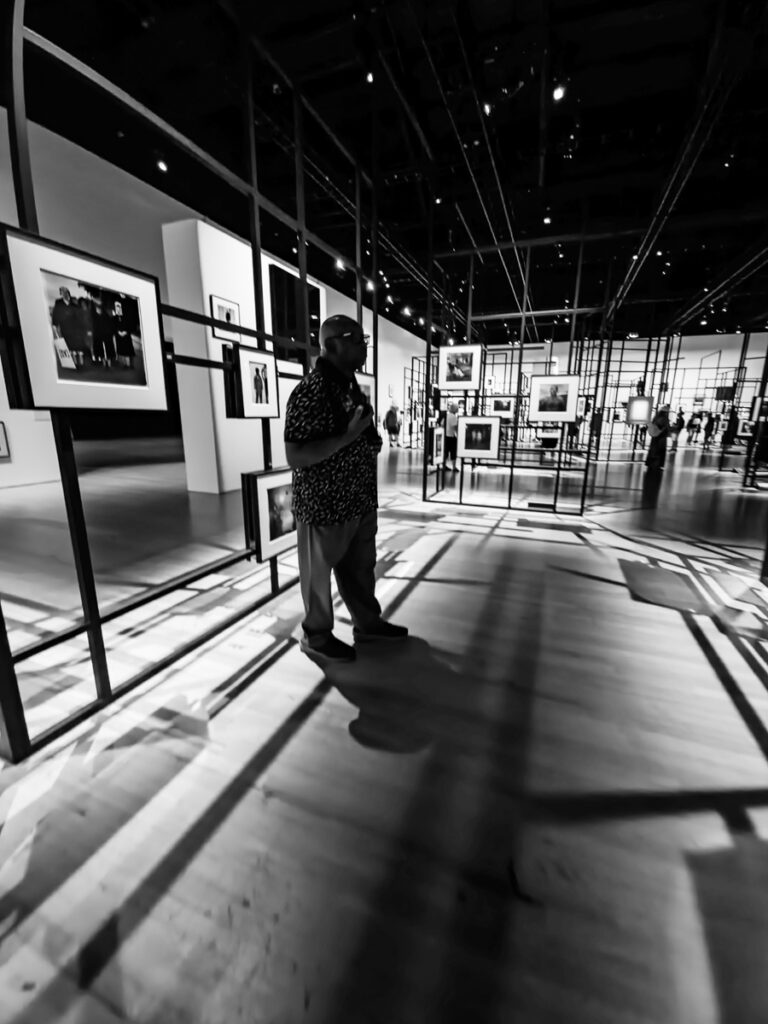
This “art escape” gave me a chance to use my POV camera for a richer visual experience of the city and movement between my choices of the day. Starting with the bus ride and movement thru Port Authority, subway ride uptown to Diane Arbus “Constellation” exhibition at the Park Avenue Armory and a casual walk up 5th Ave to the MET.
The Lorna Simpson exhibition, as well as the new wing of African and Indonesian art, was the plan for later afternoon.
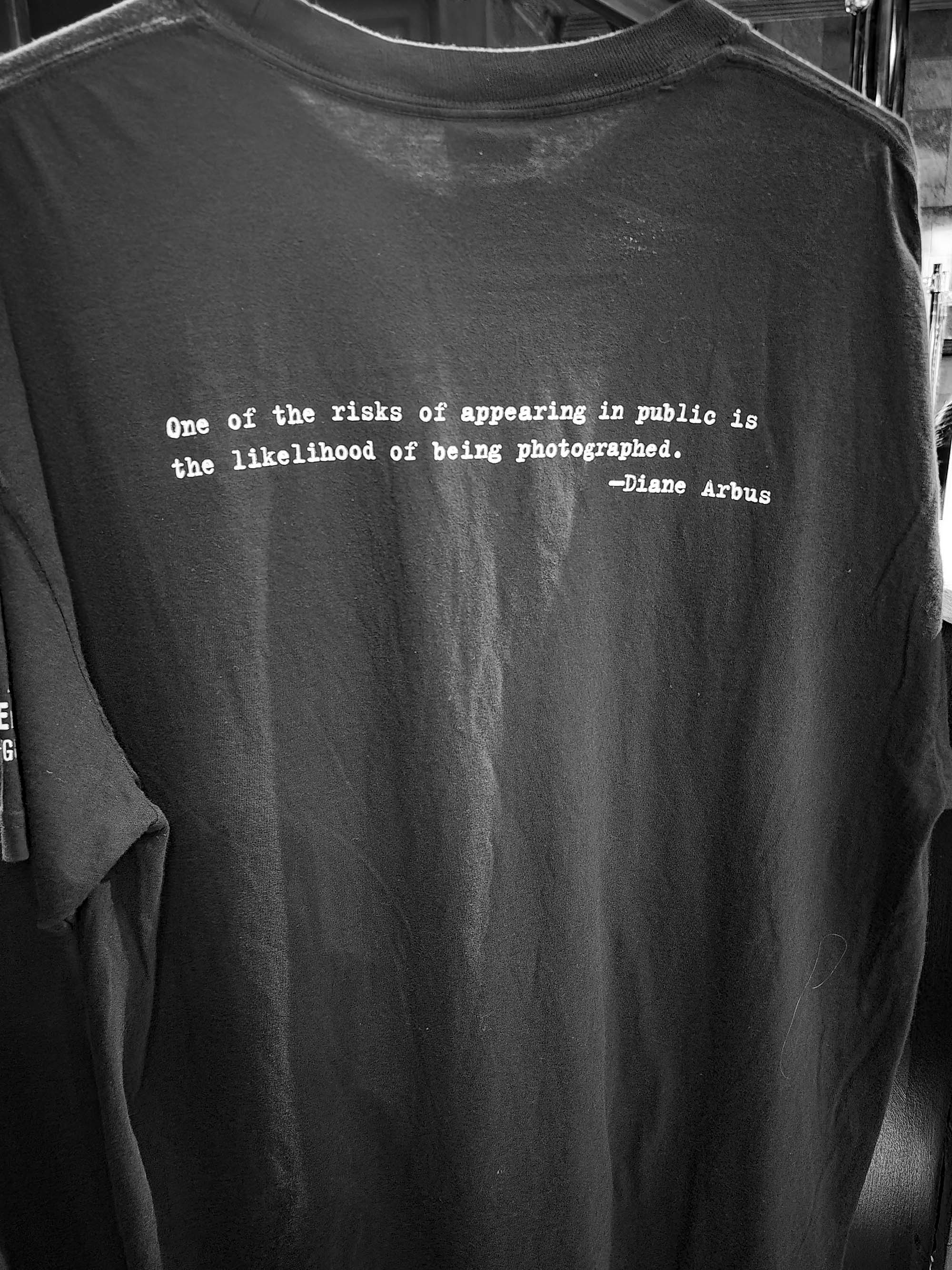
Interestingly, Arbus' quote on the t-shirt at the gift shop was the perfect sentiment for the POV camera walk thru the city.
Click HERE for the
video clip of the day
All photographs are prints made by Neil Selkirk, a former student of Arbus and the only person authorized to produce prints from her original negatives. “I wanted to make sure that it was as mixed up as possible,” the show’s curator, Matthieu Humery," told Veronica Esposito, author, Guardian.com, “I didn’t want to make any specific connections between images. I tried to keep out any kind of narratives so that visitors create their own narratives. There is this magic madness."
Loved the exhibition and presentation. An excellent way to experience Arbus; a one-of-a-kind photographer that opened countless eyes then, and now. The illusion of expanding the room with a mirror at the end of the room gave more depth. It also allowed one to get lost in the maze of images and occasionally led people to walk into the mylar mirror wall.
I skipped the 90 minute video; after seeing over 400+ images, I wanted to get outside and on to the Metropolitan.
Amy & Toyin
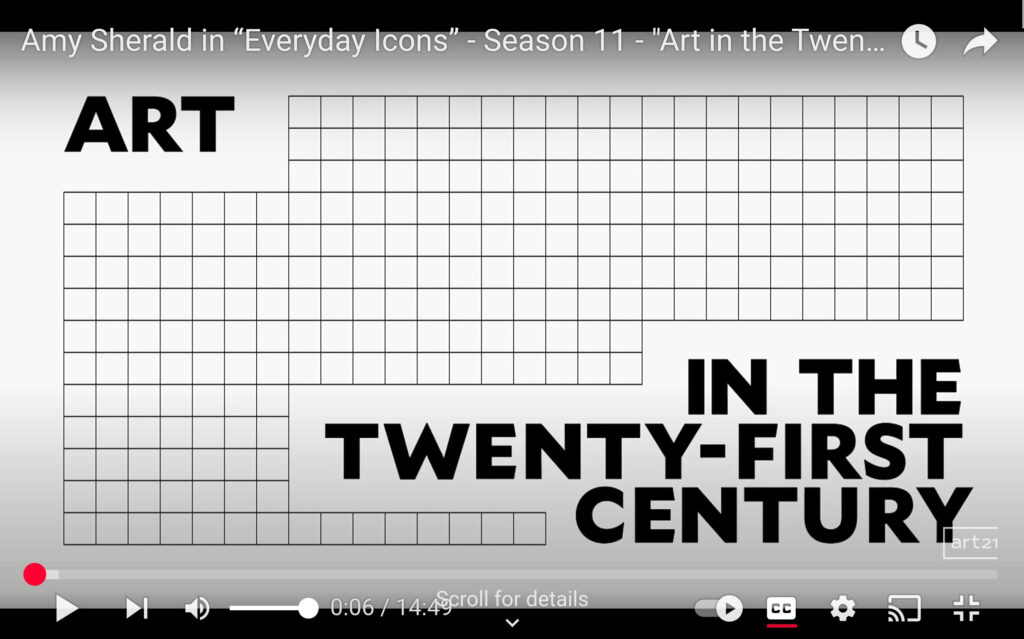
After enjoying, what felt like five rooms of large scale portraits, I sat still to watch the 14 min video below, and then went back to several pieces, the details of which the clip highlighted, and I missed on the first pass.
Amy Sherald
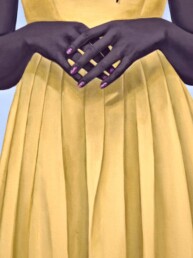
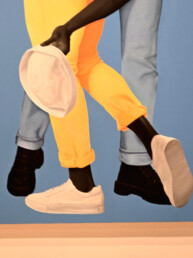
”In her studio in New Jersey, artist Amy Sherald paints portraits that tell a story about American lives. Her face just inches away from a canvas, the artist carefully applies stroke after stroke, building her narrative through paint. “I really have this belief that images can change the world,” says Sherald, a belief she acts upon in her compelling paintings, which depict everyday people with dignity and humanity. Following the tradition of American realists like Andrew Wyeth and Edward Hopper, the artist uses her paintings to tell stories about America. Searching for models, settings, and scenarios that would convey the kinds of stories she wanted to tell, Sherald began to populate the world of her paintings with everyday people in everyday situations.”
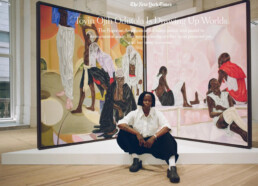
Good Read — https://news.artnet.com/art-
Toyin Odutola
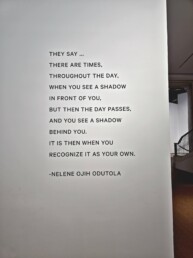
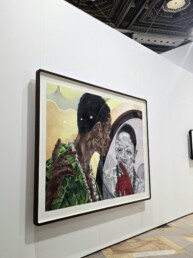

Whiskey, Art, Laughter and Friends
An amazing weekend with friends in DC hanging out with two amazing southern brothers, Charles Kelly and Anthony Walker. Both of whom are great whisky drinkers. And bourbon whiskey bar hopping was definitely part of the planned agenda.
Took a train ride down to drink, laugh and visit the African American Museum and hang out with these friends. Joined by my PilatesSister, colleague and friend, Danica Kalemdaroglu. As one might notice, we fully let our hair down.
A weekend well spent and fully enjoyed.
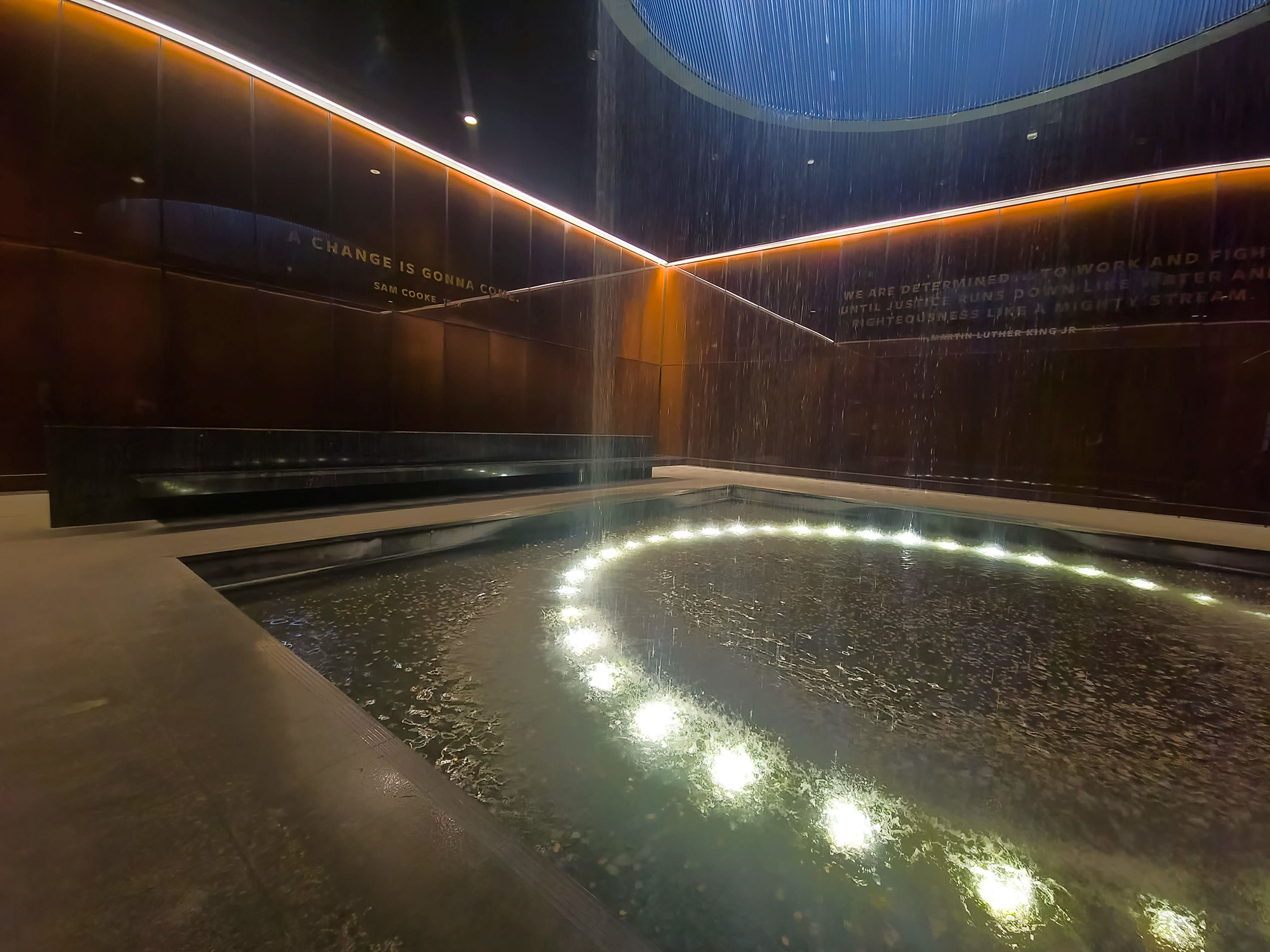
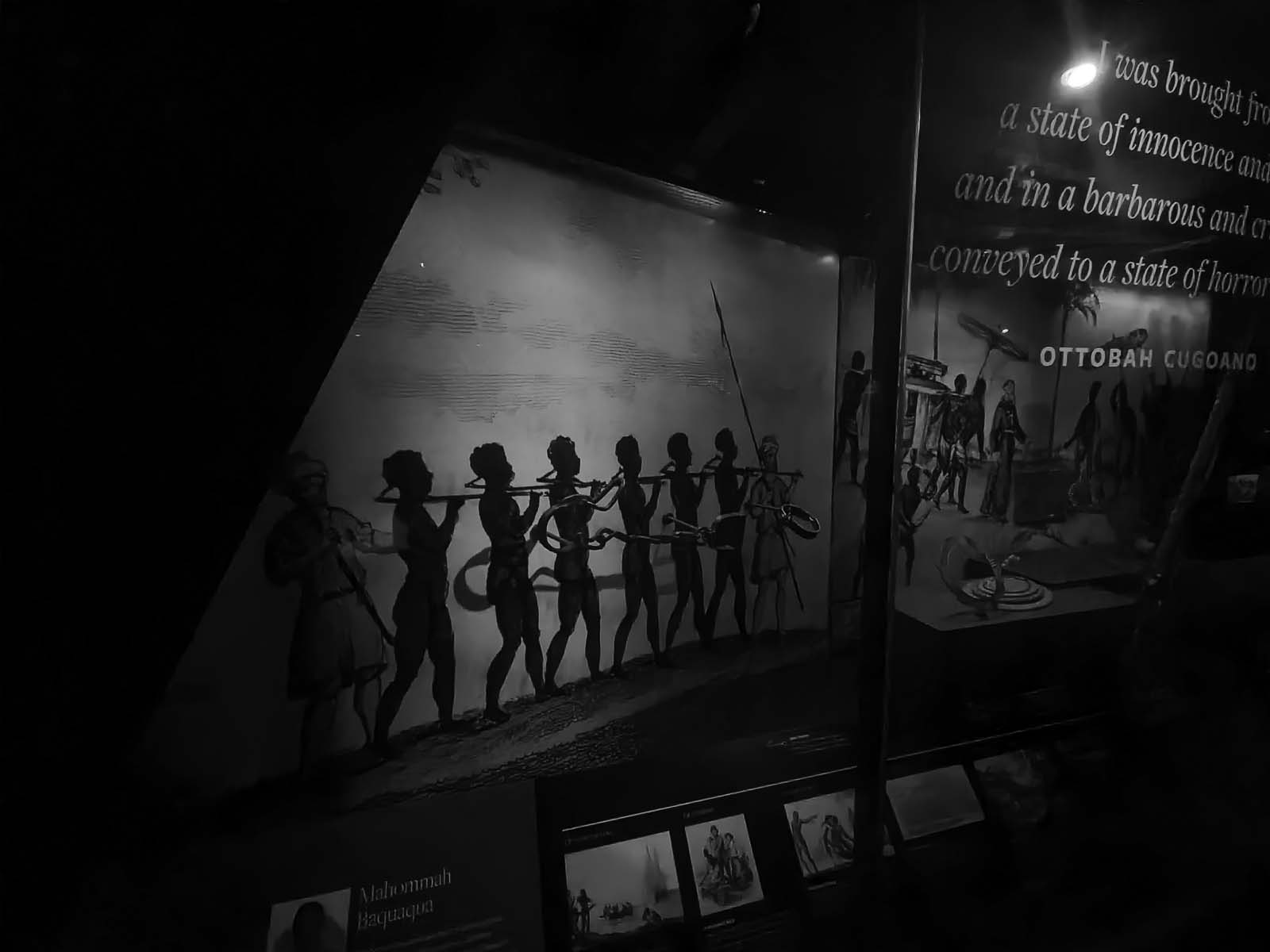
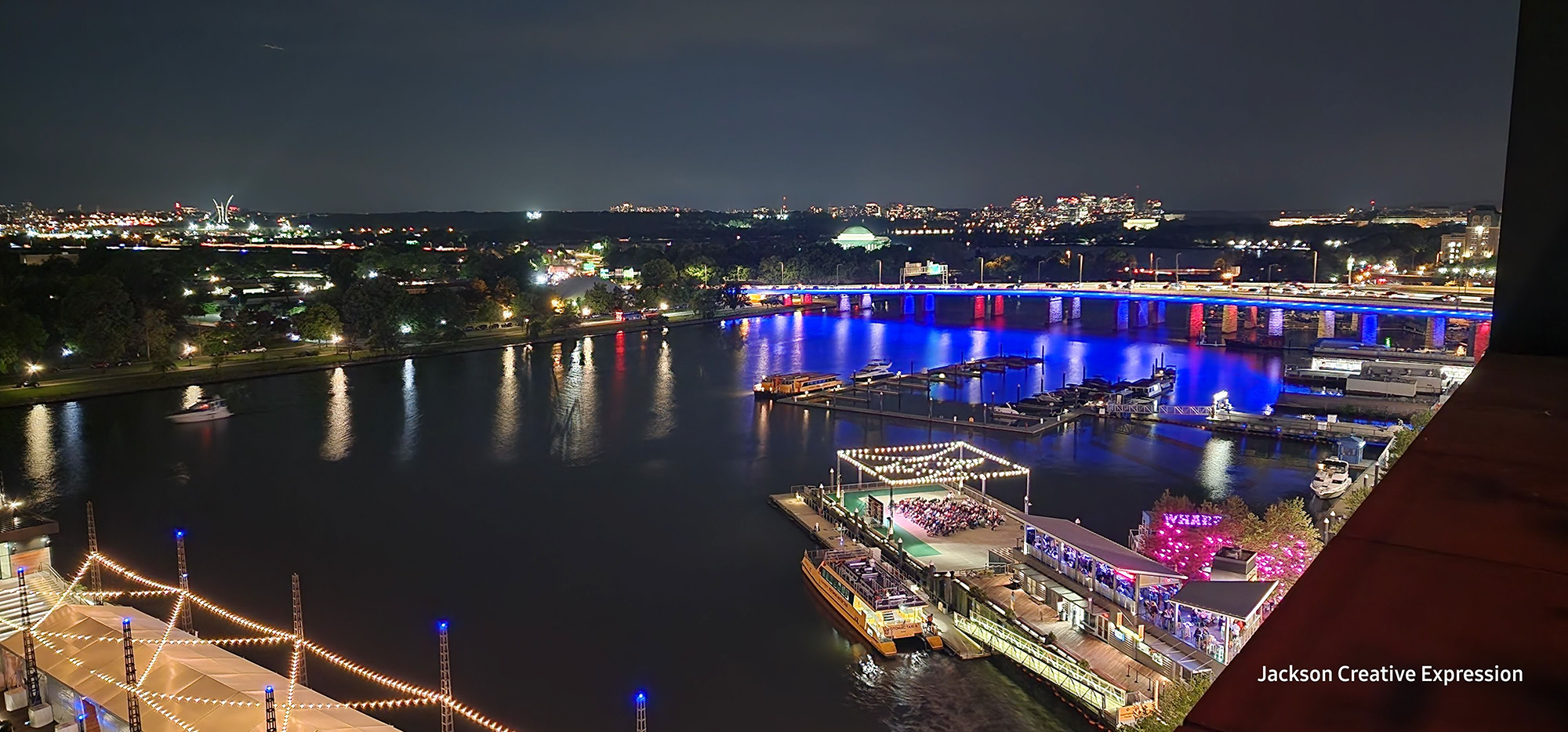
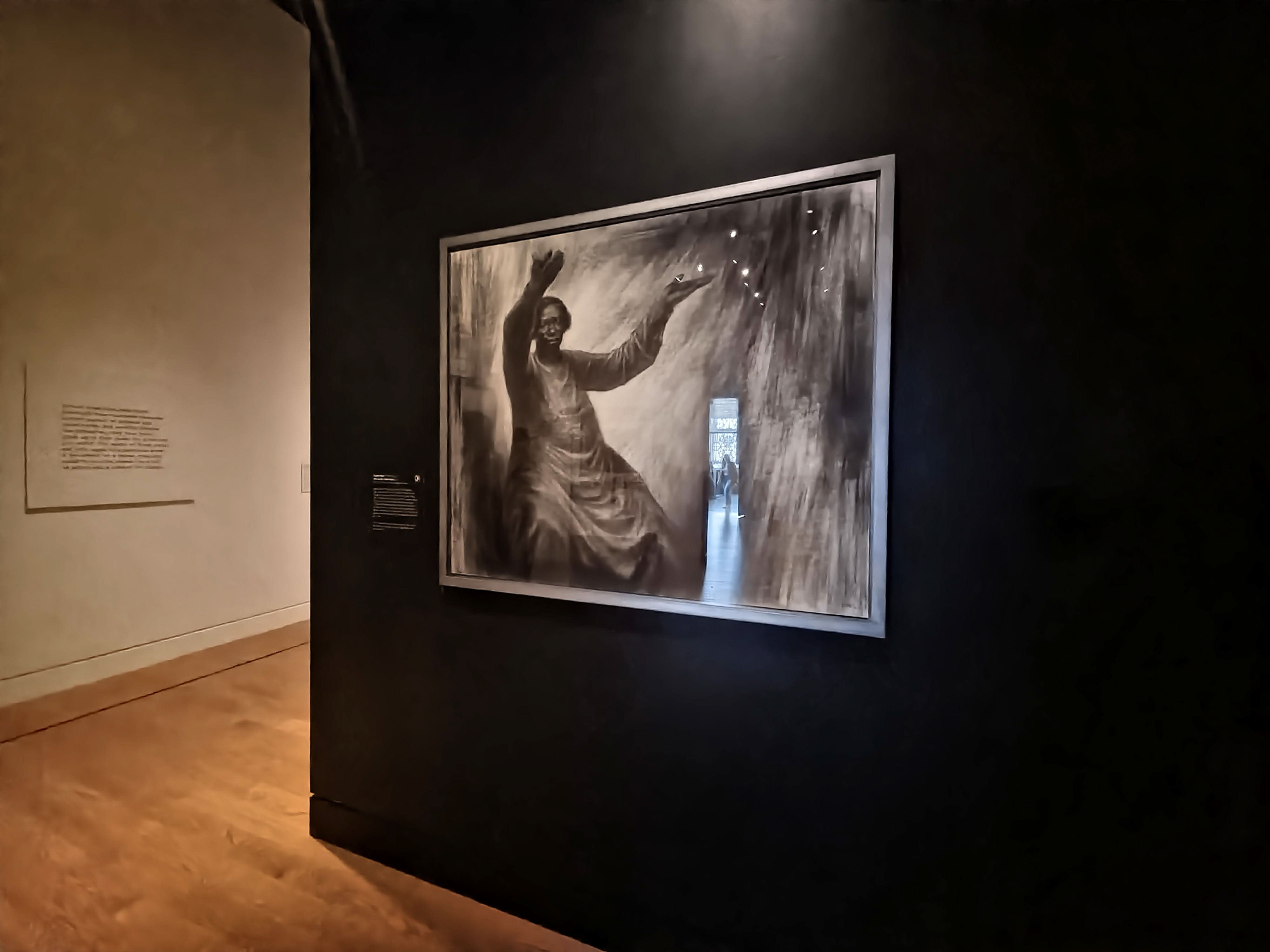
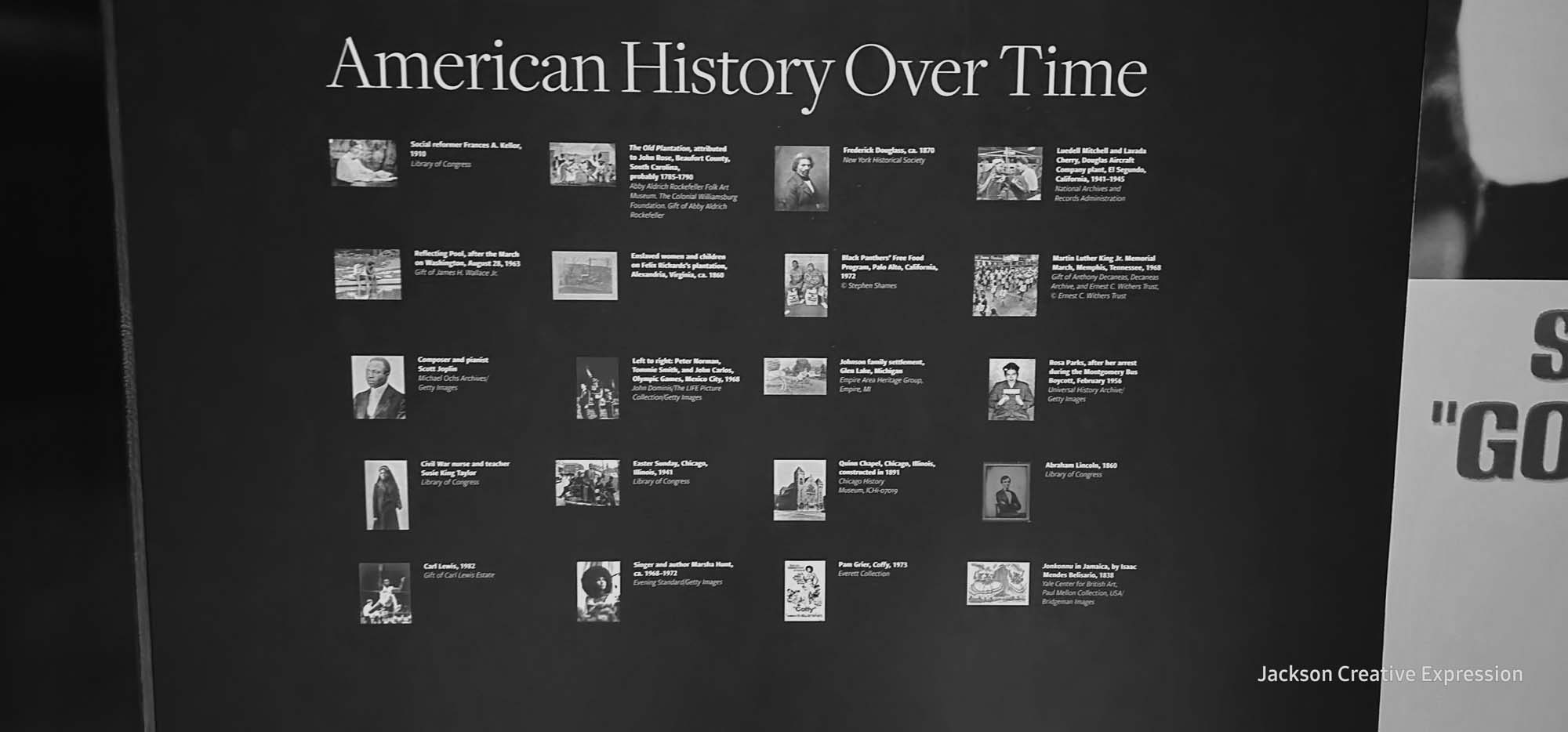
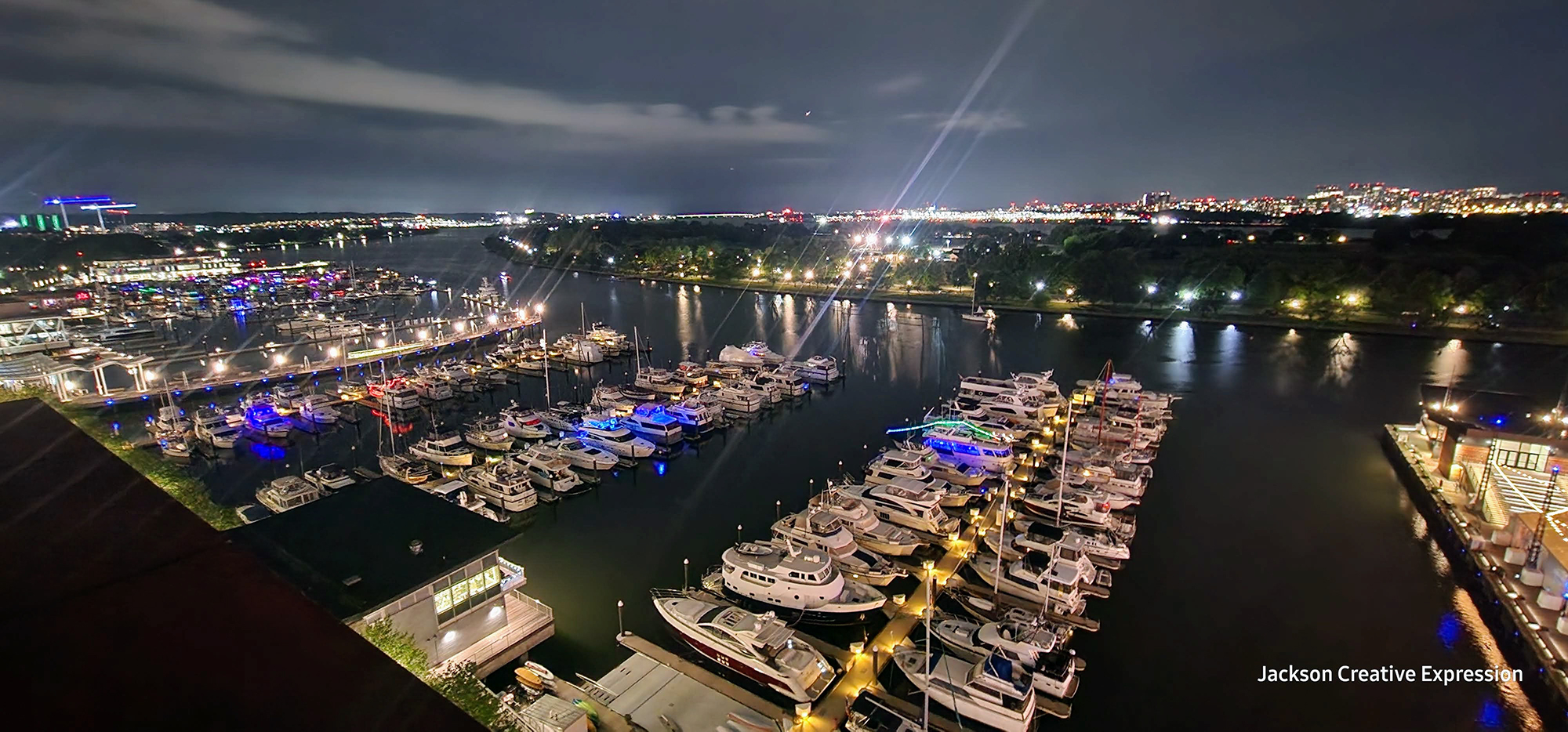
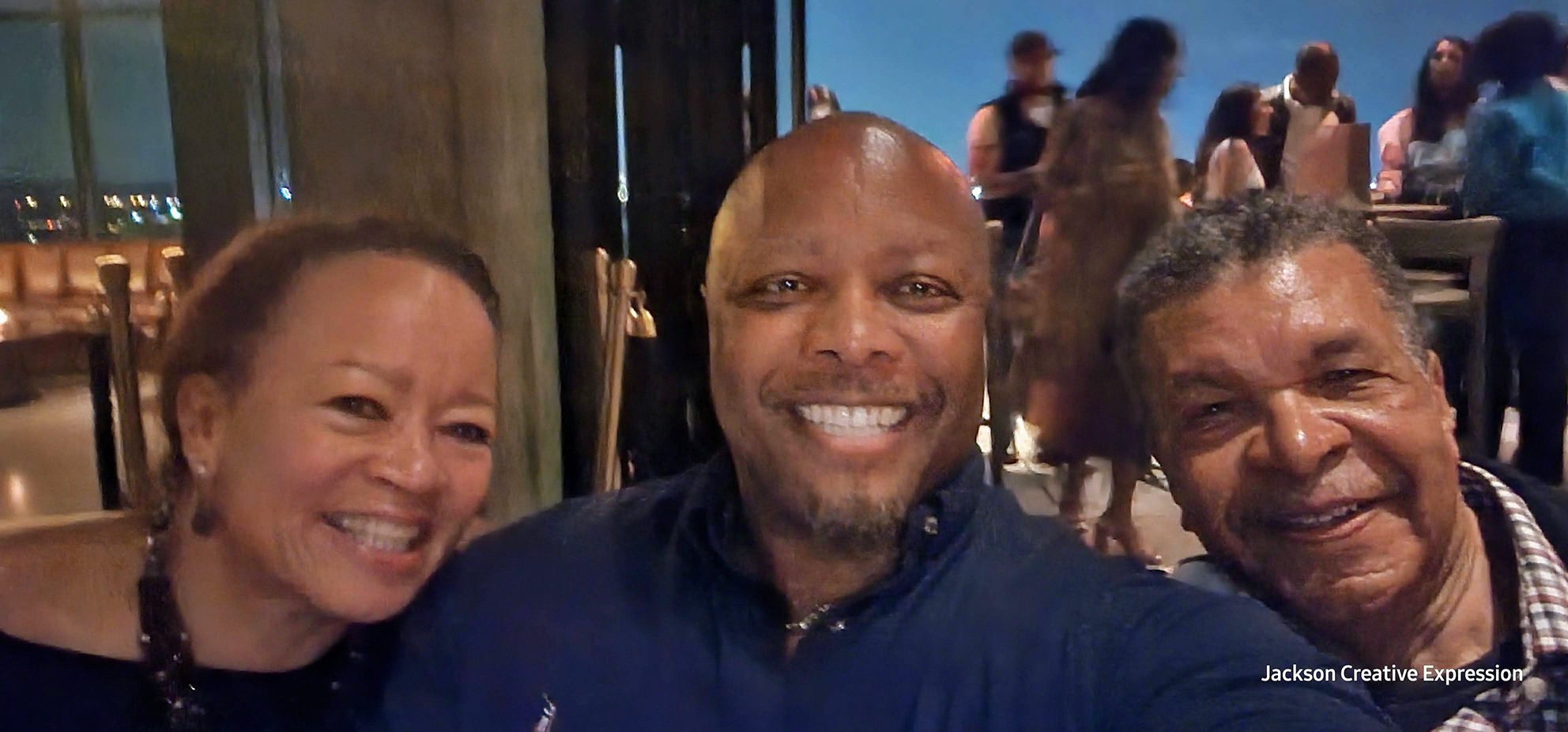
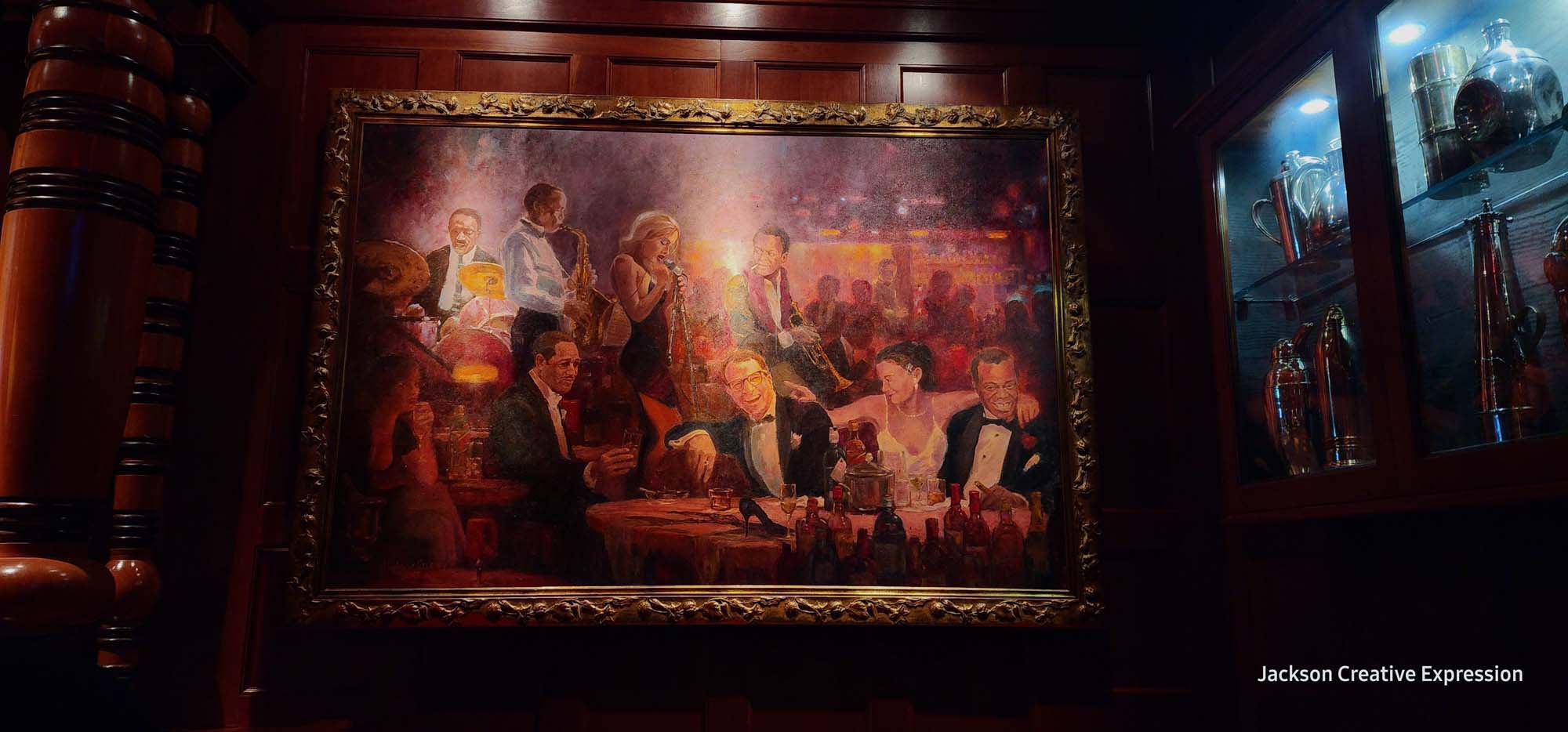
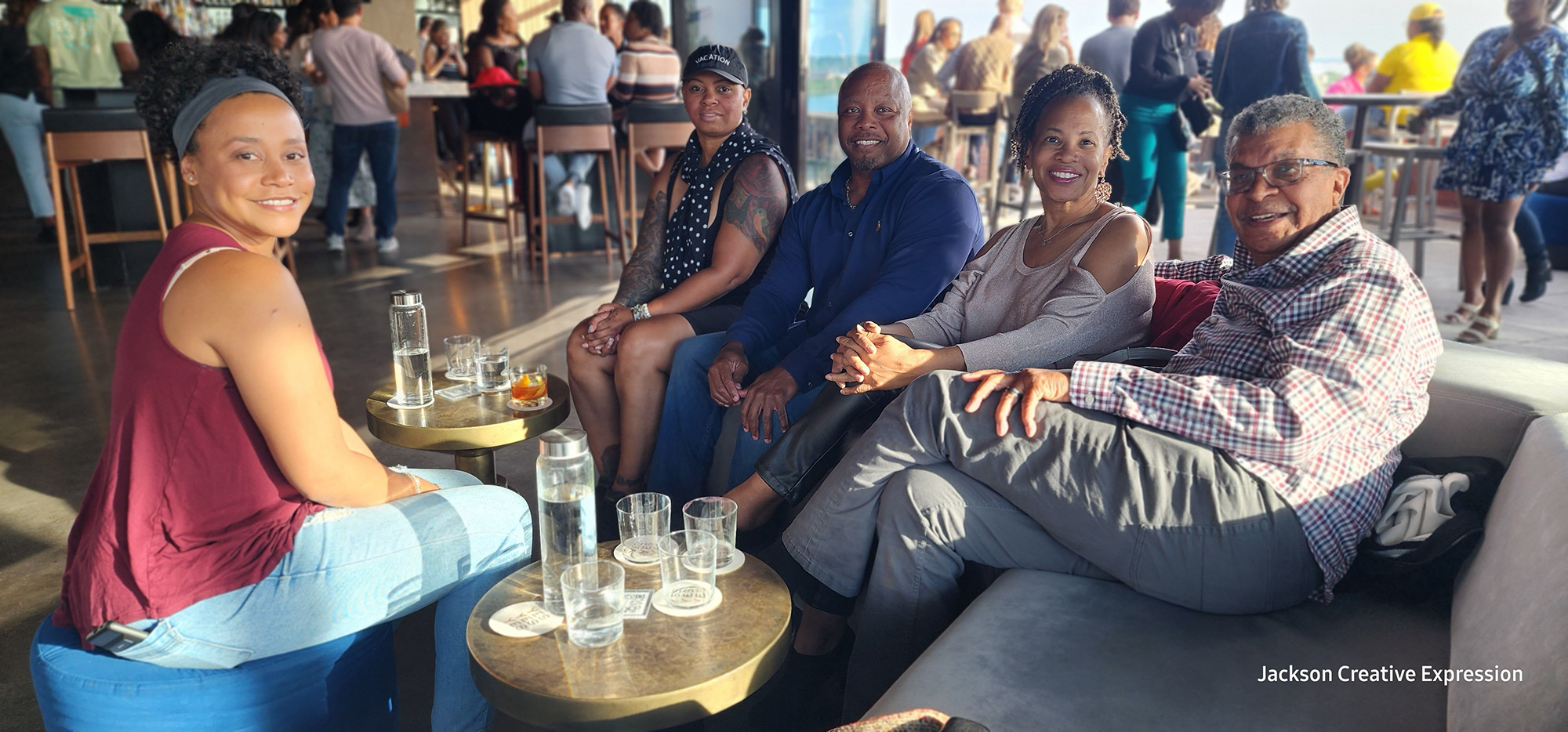
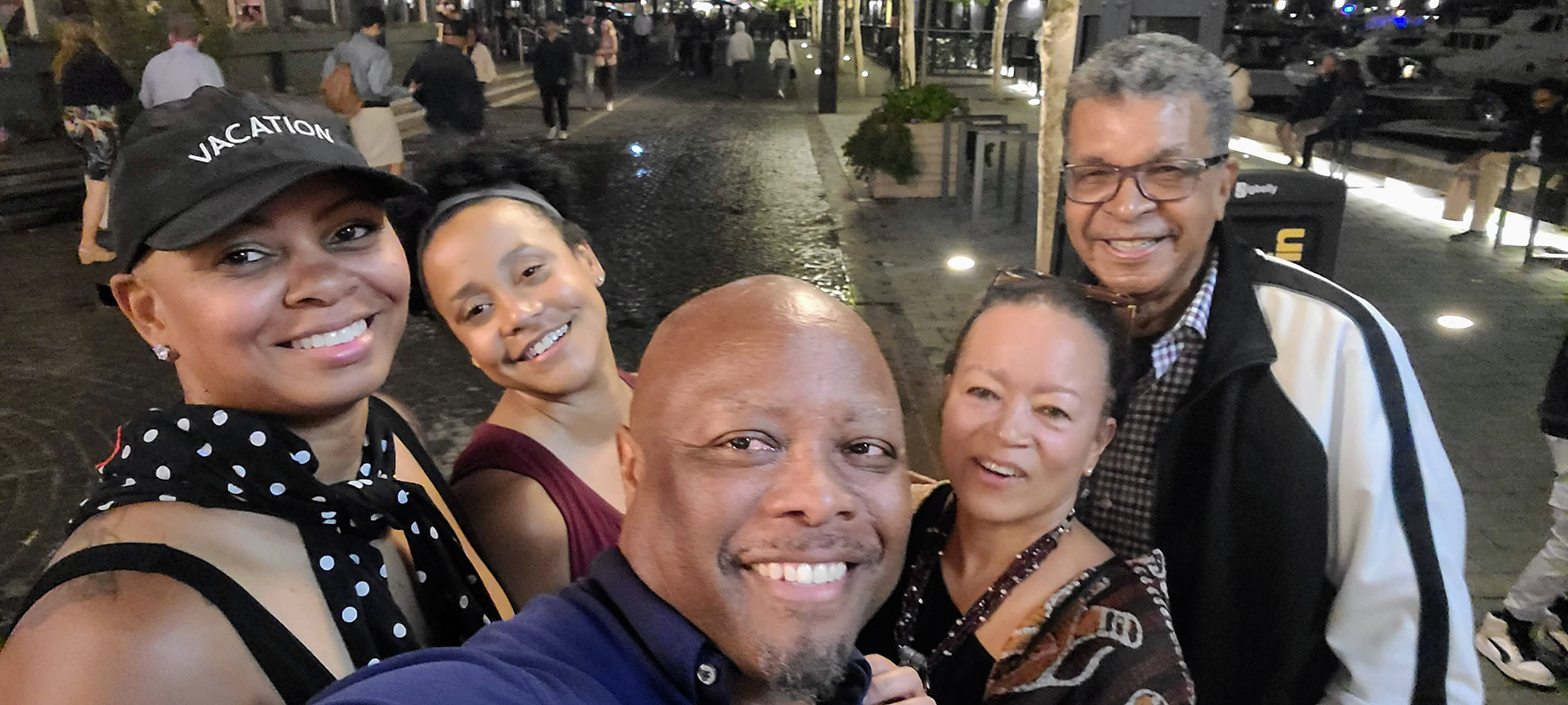
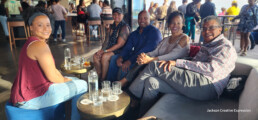
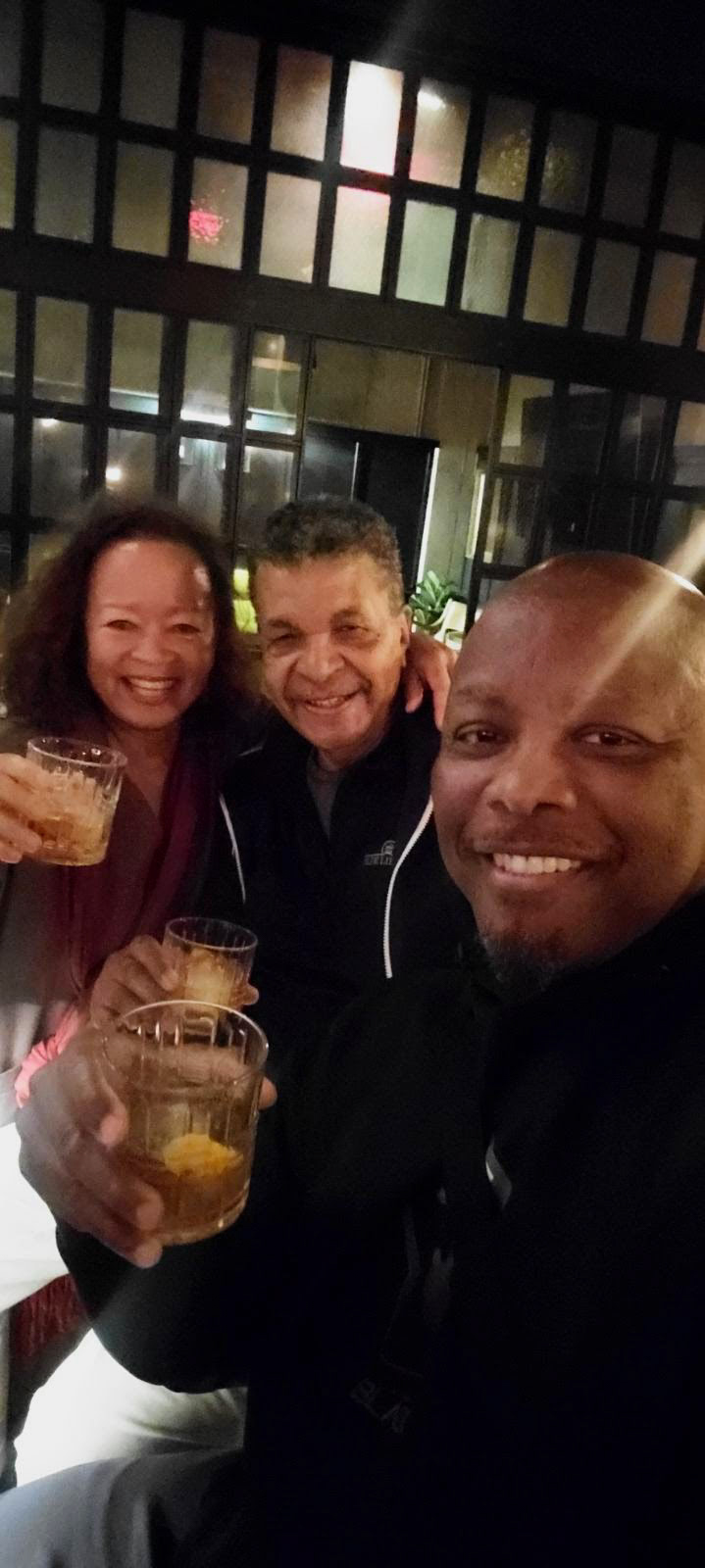
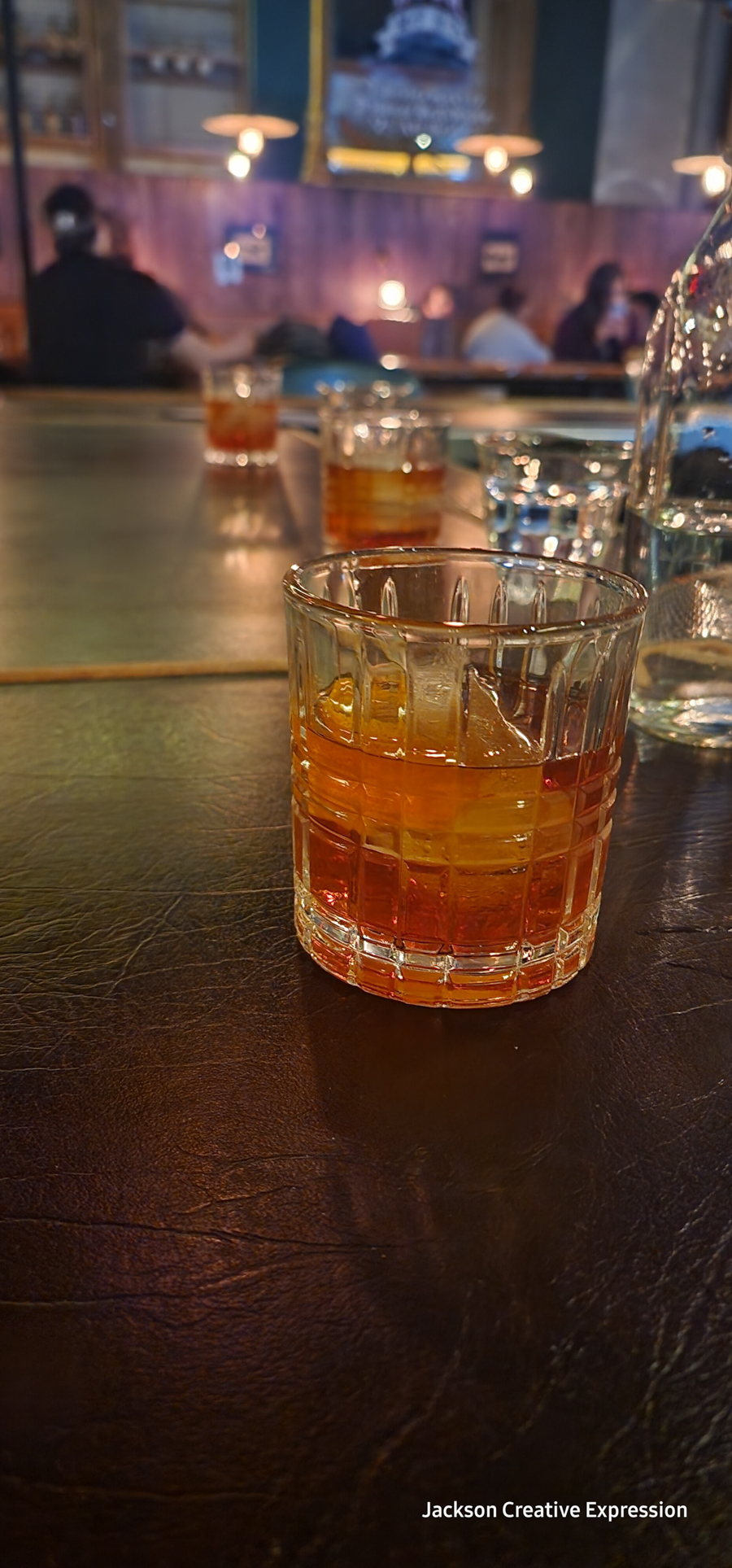
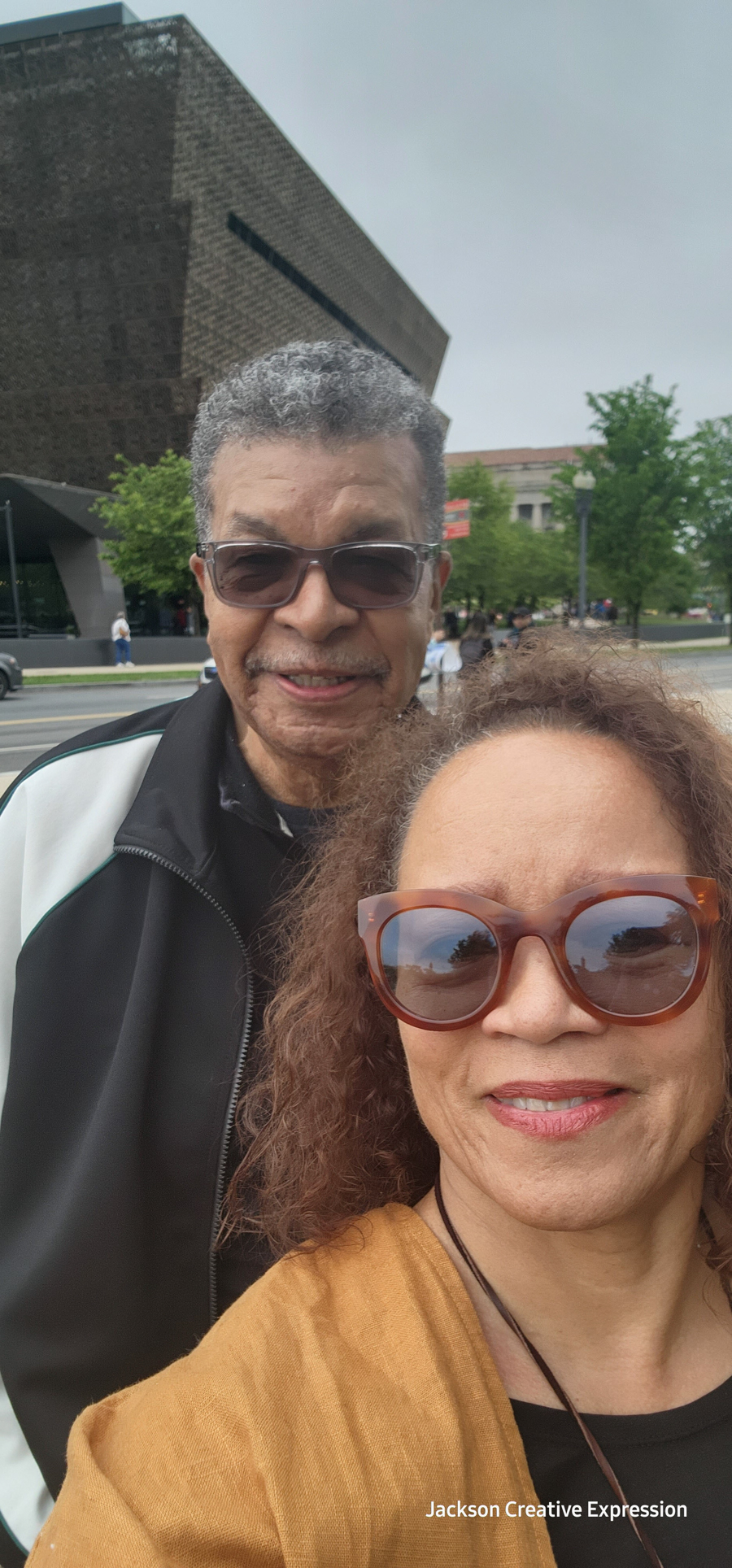
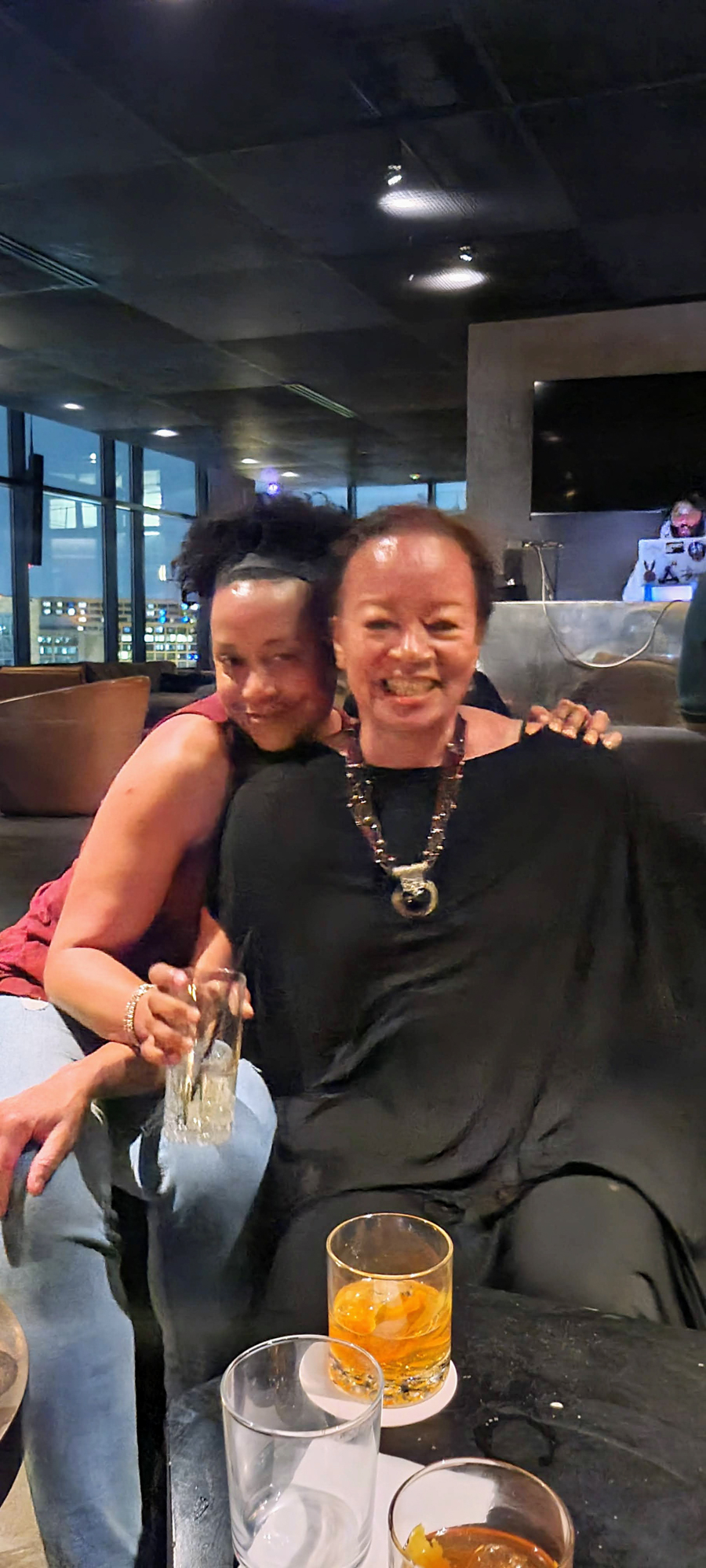
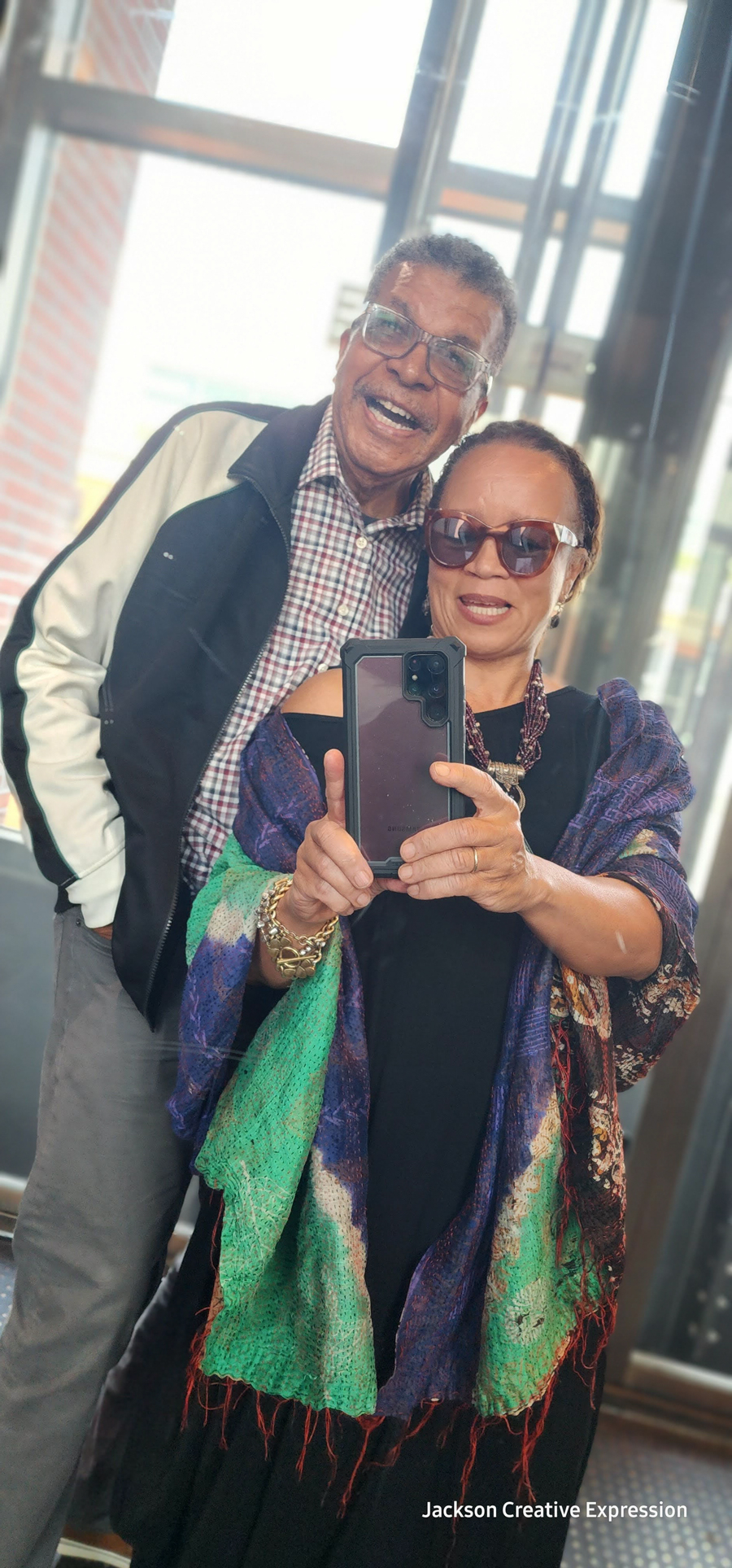
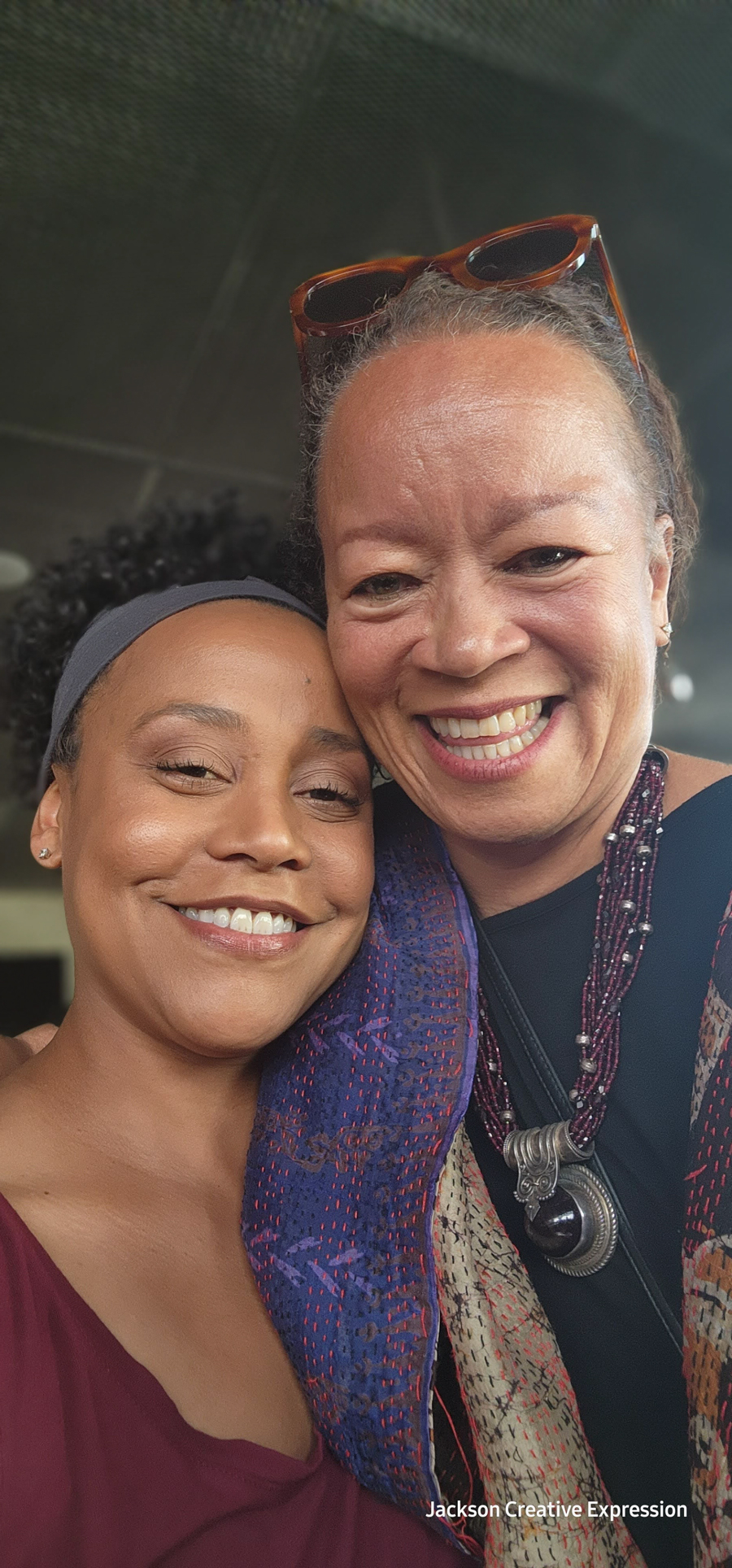
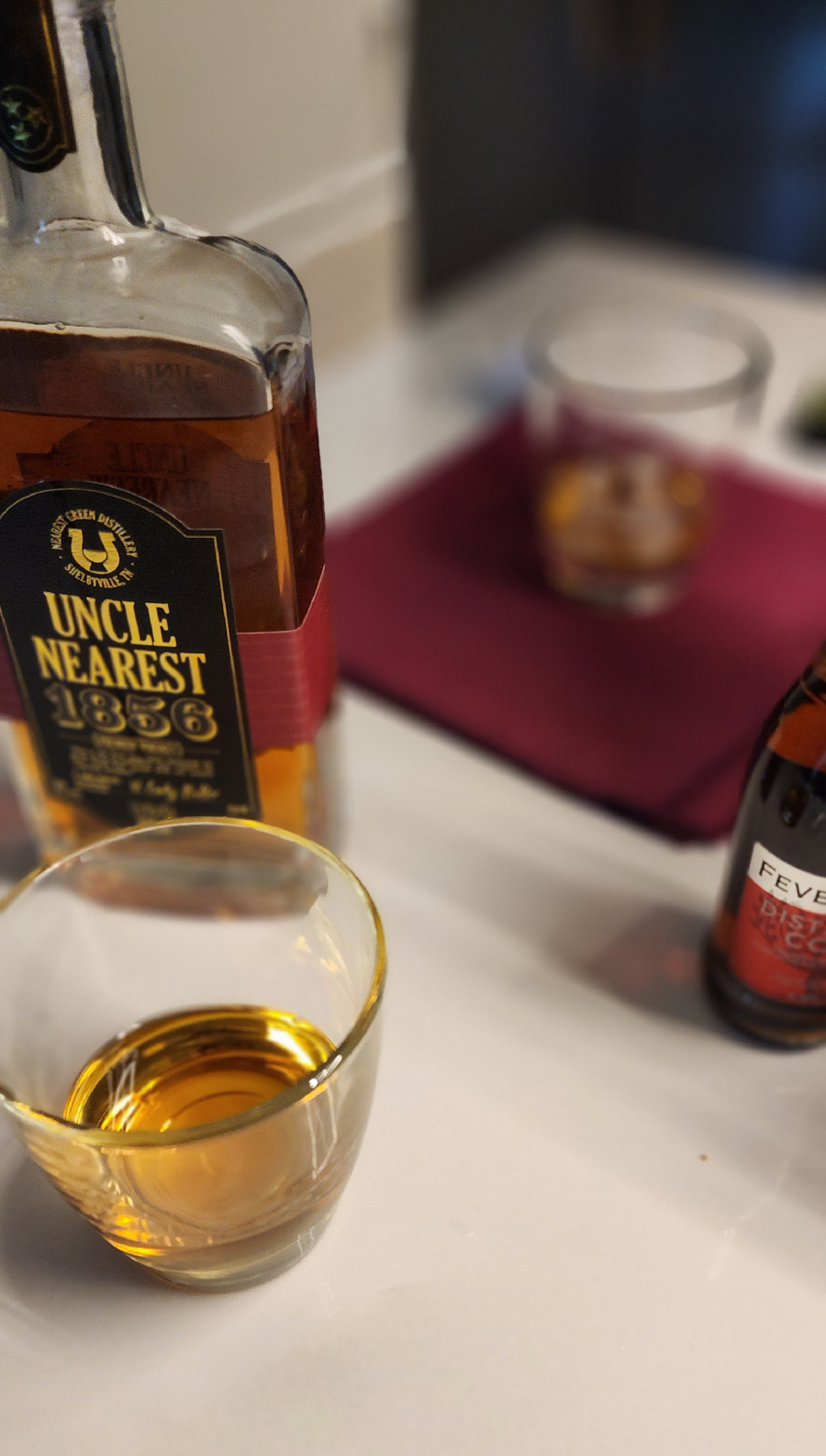
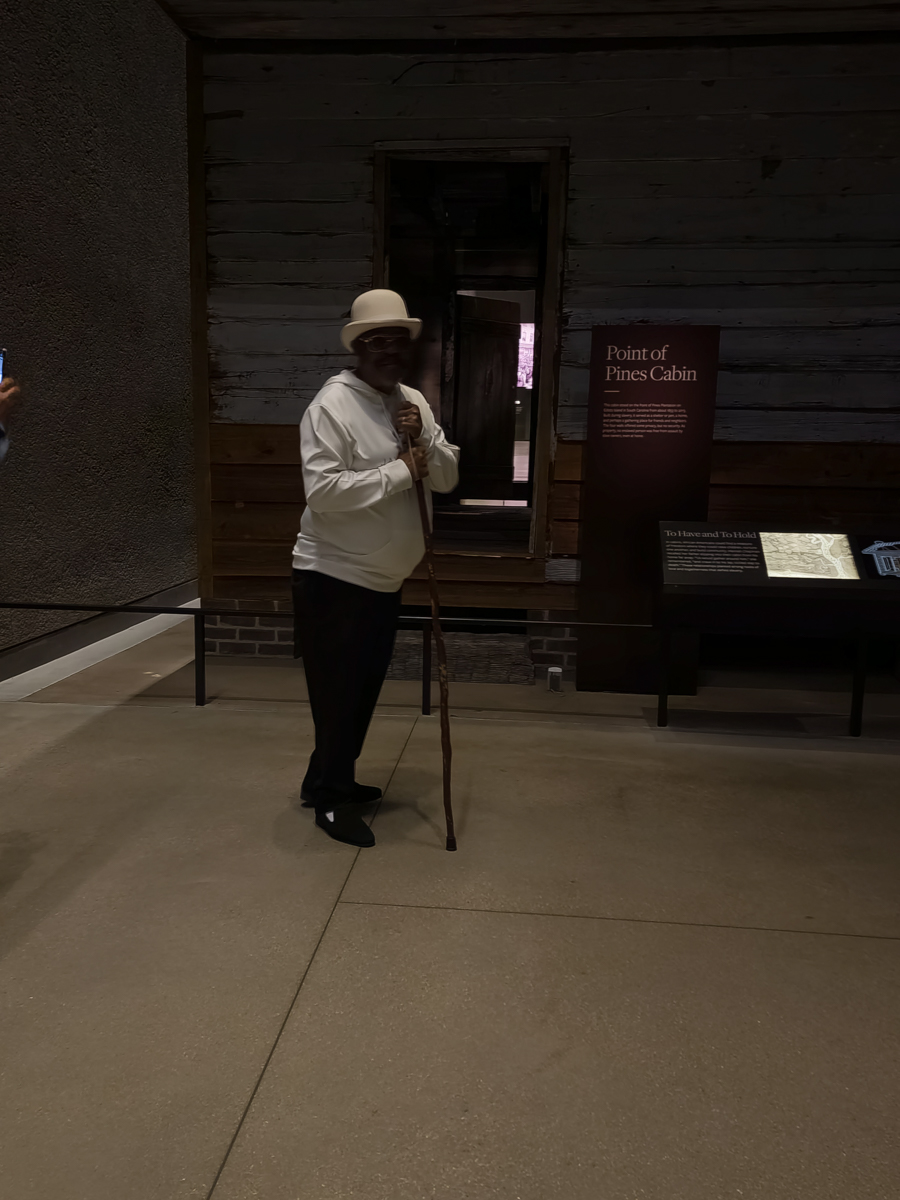
Grateful for the friendship of these two guys, and particularly Anthony’s long and strong arms, eyes, ears and wherewithal for keeping me lifted and upright while giggling throughout his city.
King Tut & The Egyptian Museum
The Egyptian Museum required a full day and maximum attention. The museum is the oldest archaeological museum in the Middle East, and houses the largest collection of Pharaonic antiquities in the world; displaying an extensive collection spanning from the Predynastic Period to the Greco-Roman Era.
The Egyptian Museum is located on the edge of Tahrir Square, Cairo’s most central and most famous public plaza and ginormous traffic circle. The site of the peoples’ uprising in 2011.
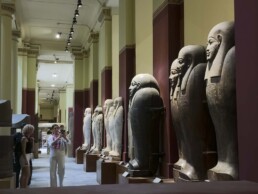
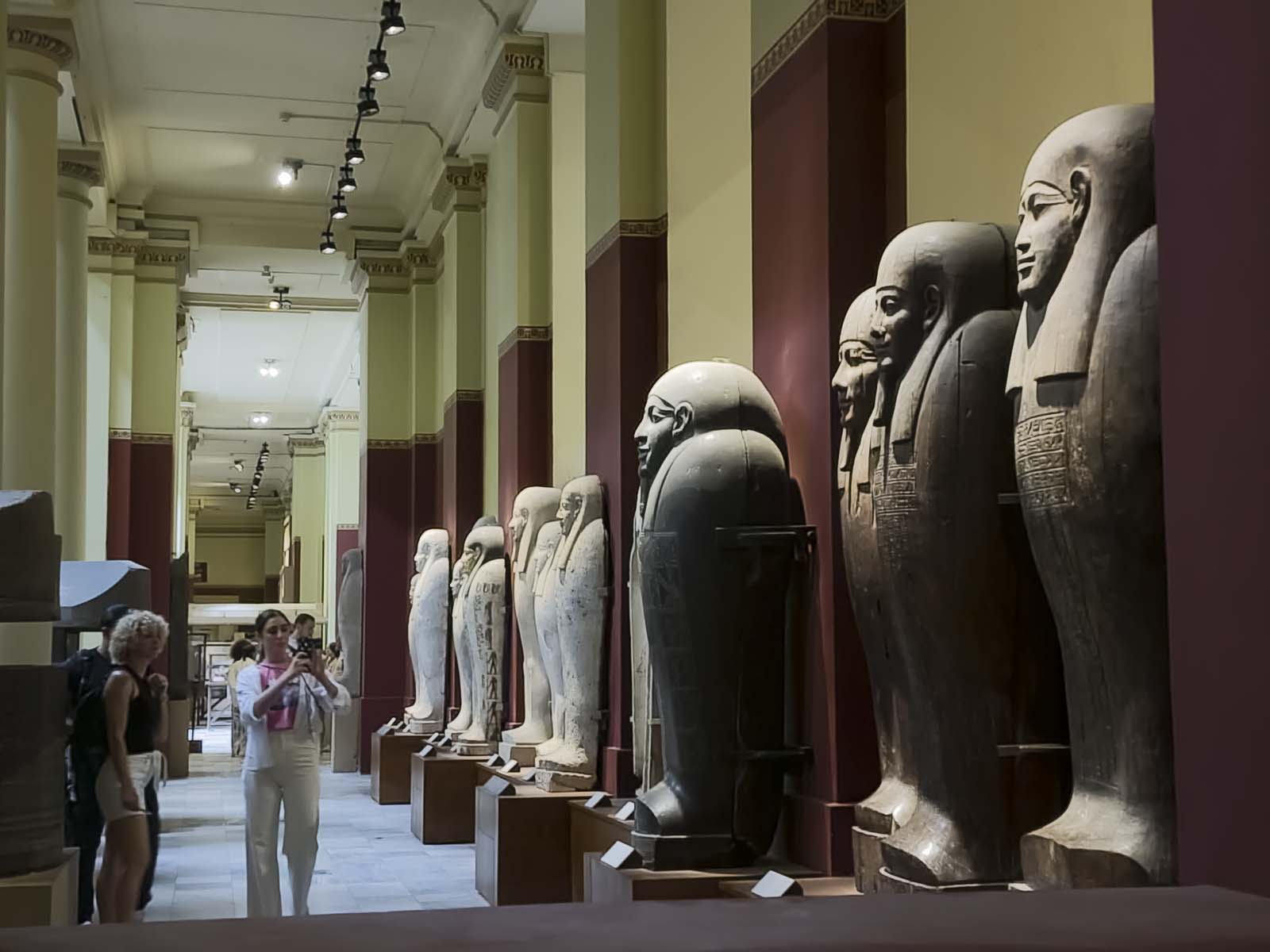
We spent approximately 90 minutes on the first floor alone, following our guide through the artifacts, sarcophagi, and ancient treasures of Egyptian culture. The image gallery to the right features a few of the pieces that caught my eye and attention.
The Sphinx of Pharaoh Hatshepsut, in particular, which sat broadly in the center ailse of the museum. The Egyptians believe that the sphinx was a representation of their solar deity, Sun God, Horus of the Horizon and symbolized royalty and sacred status.
Click Image | Open for Full Gallery

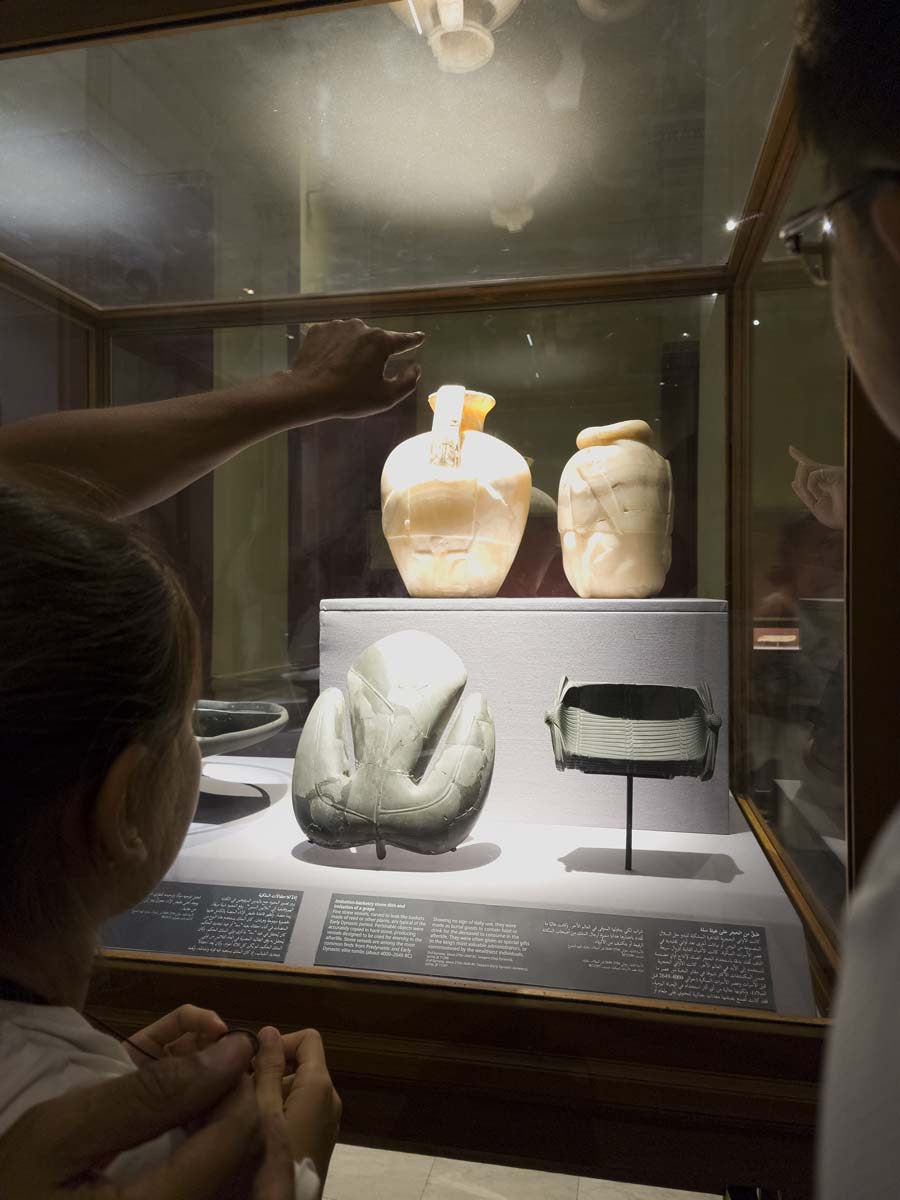
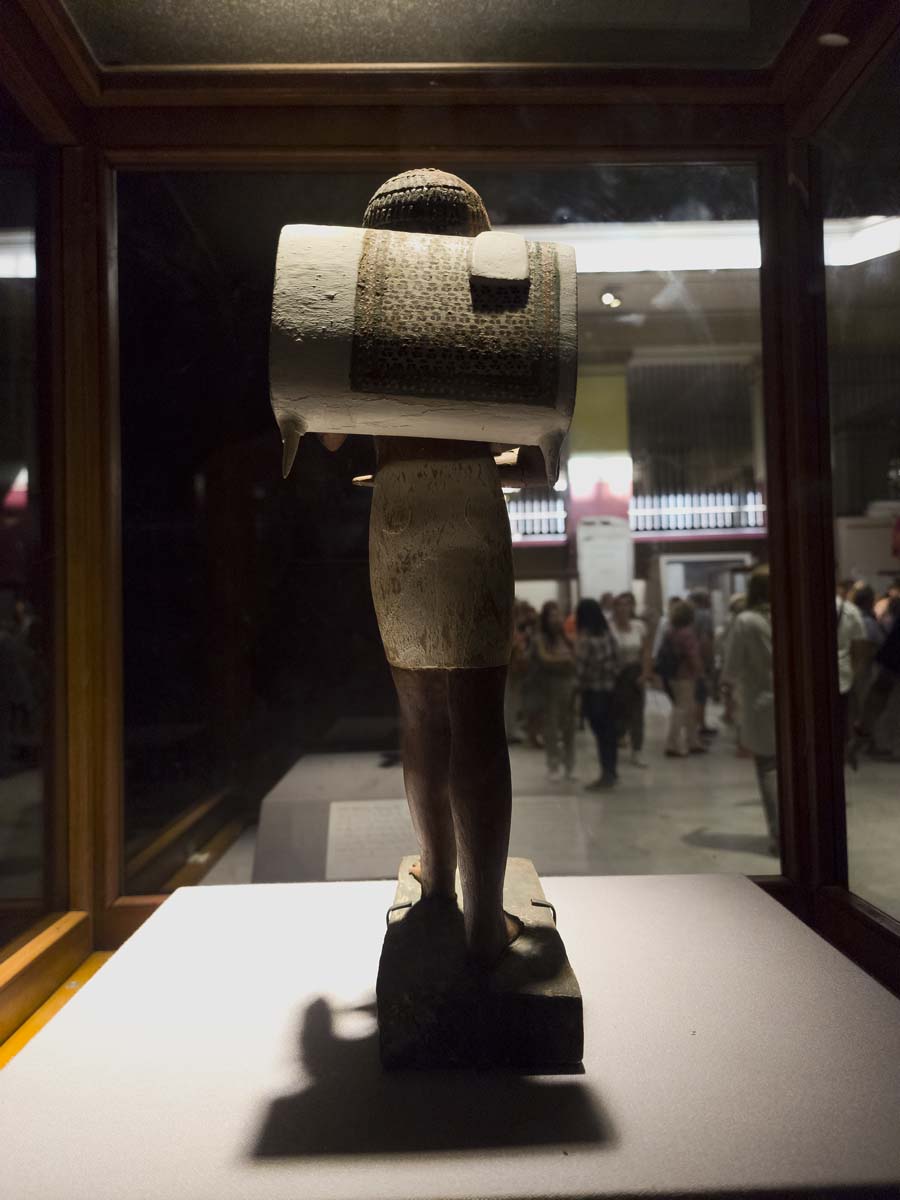
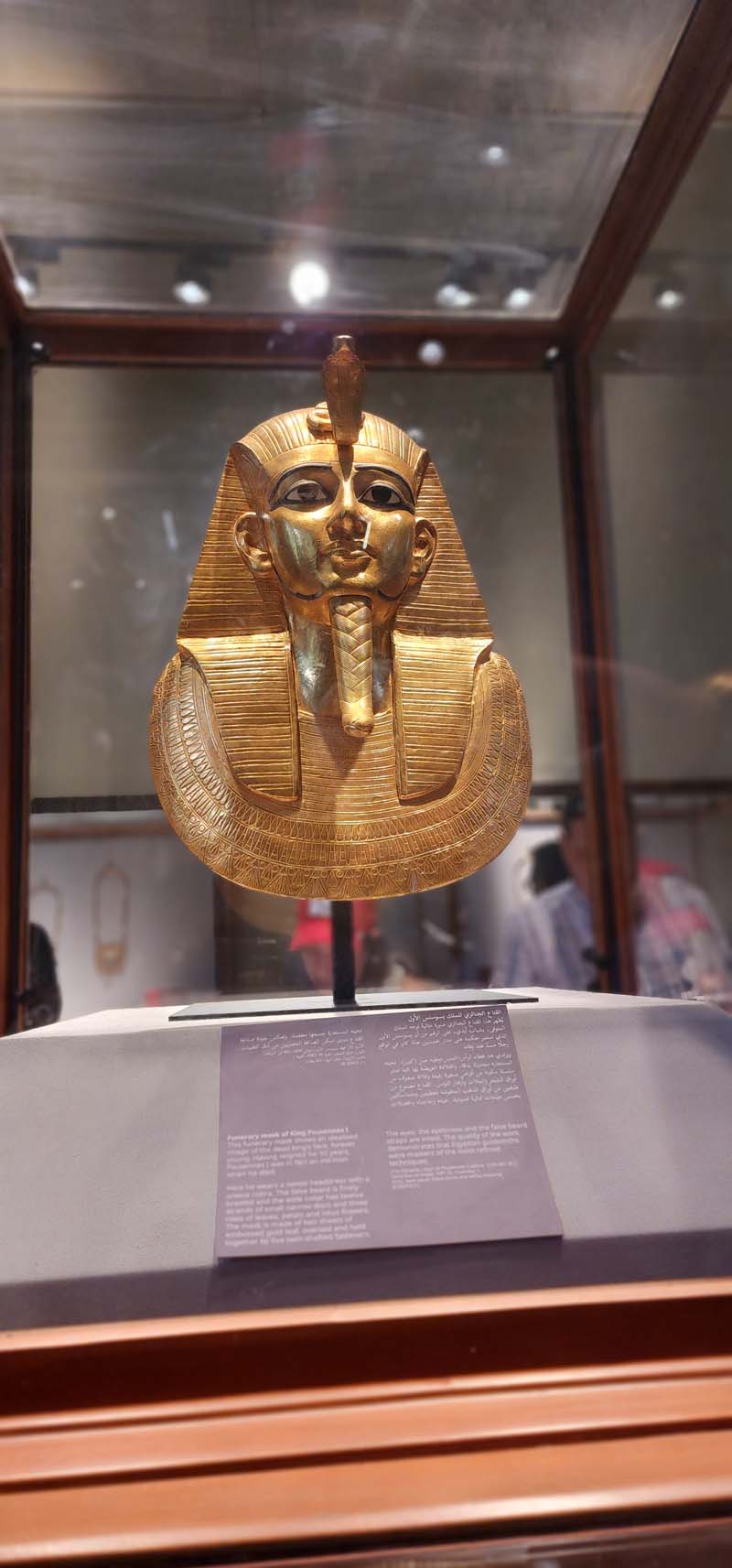
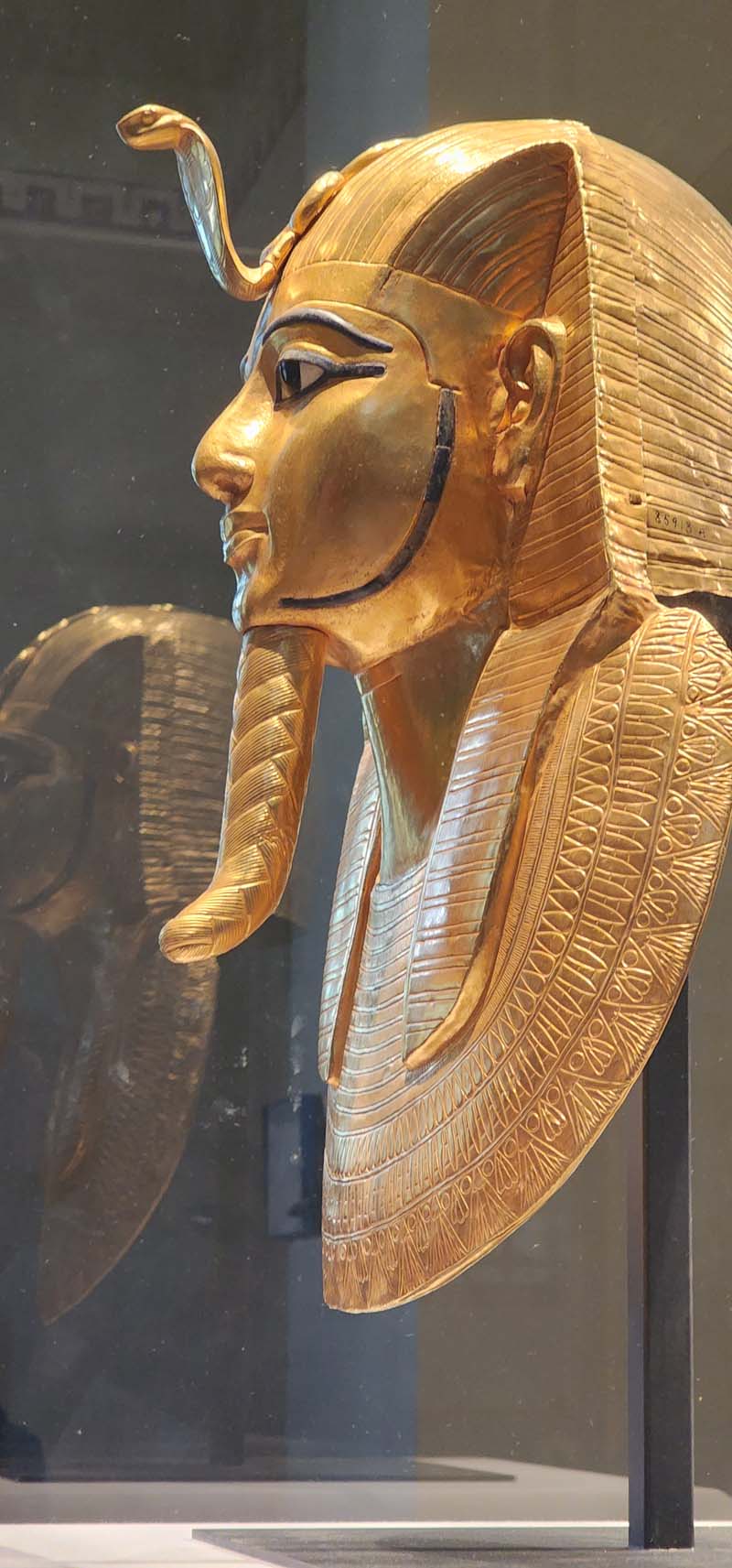
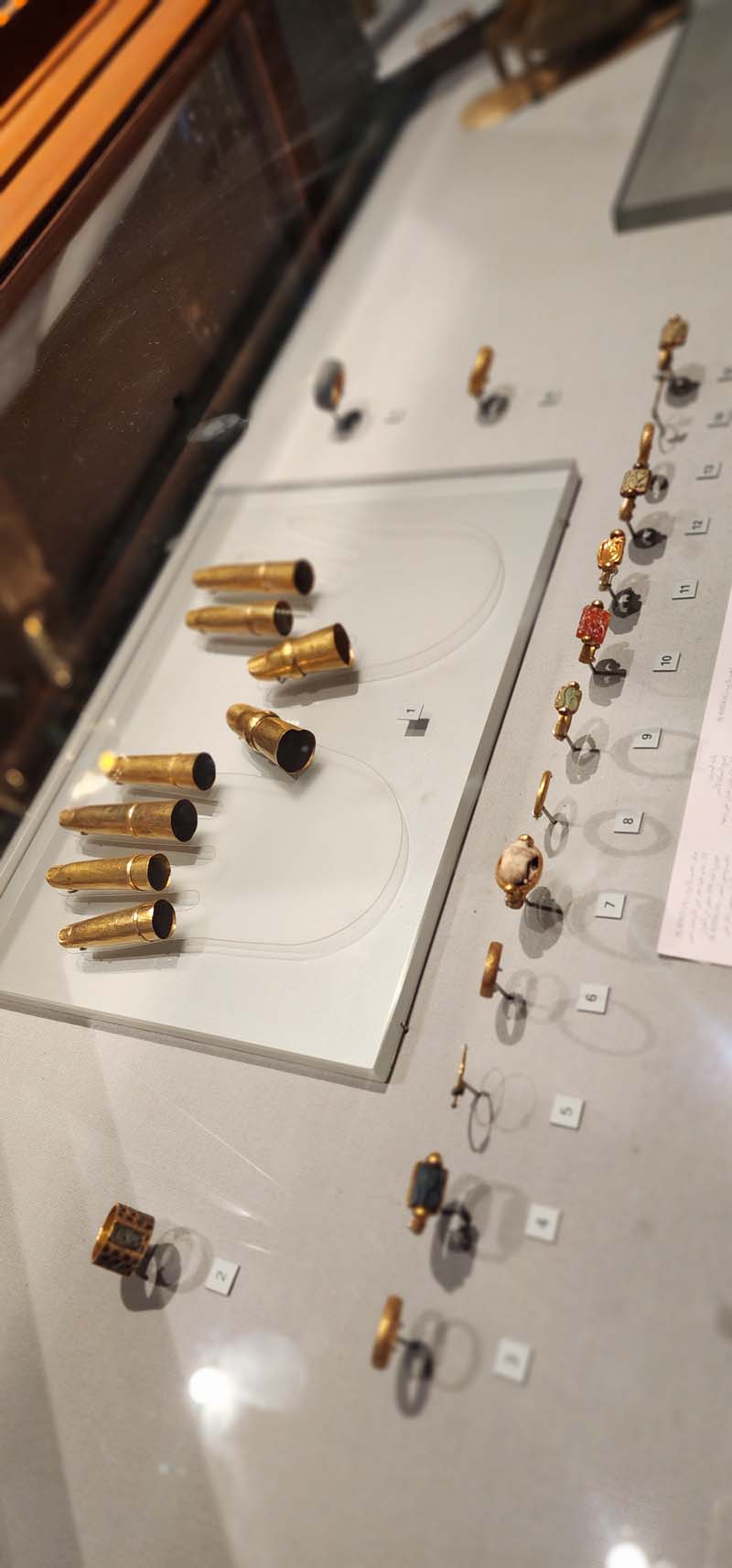
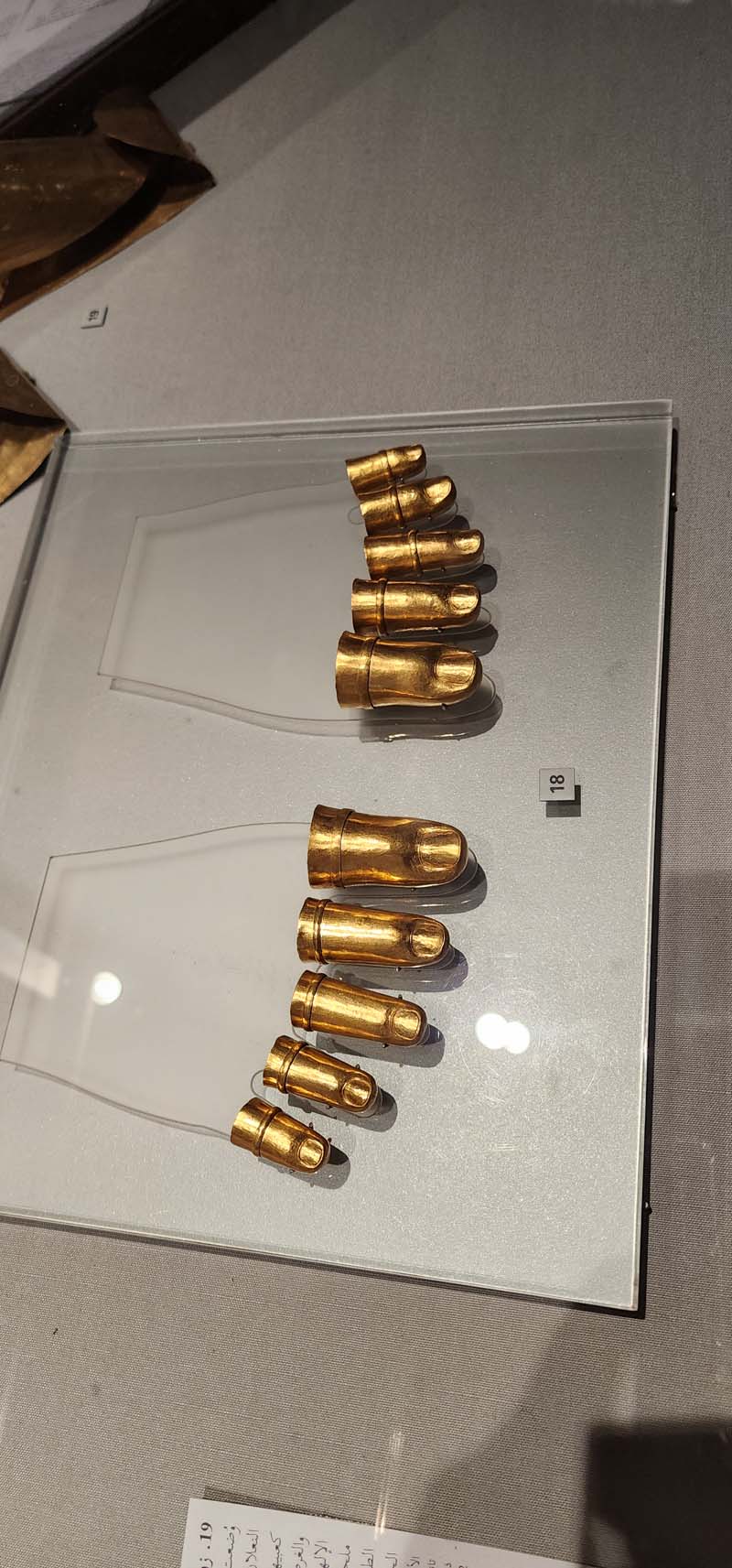
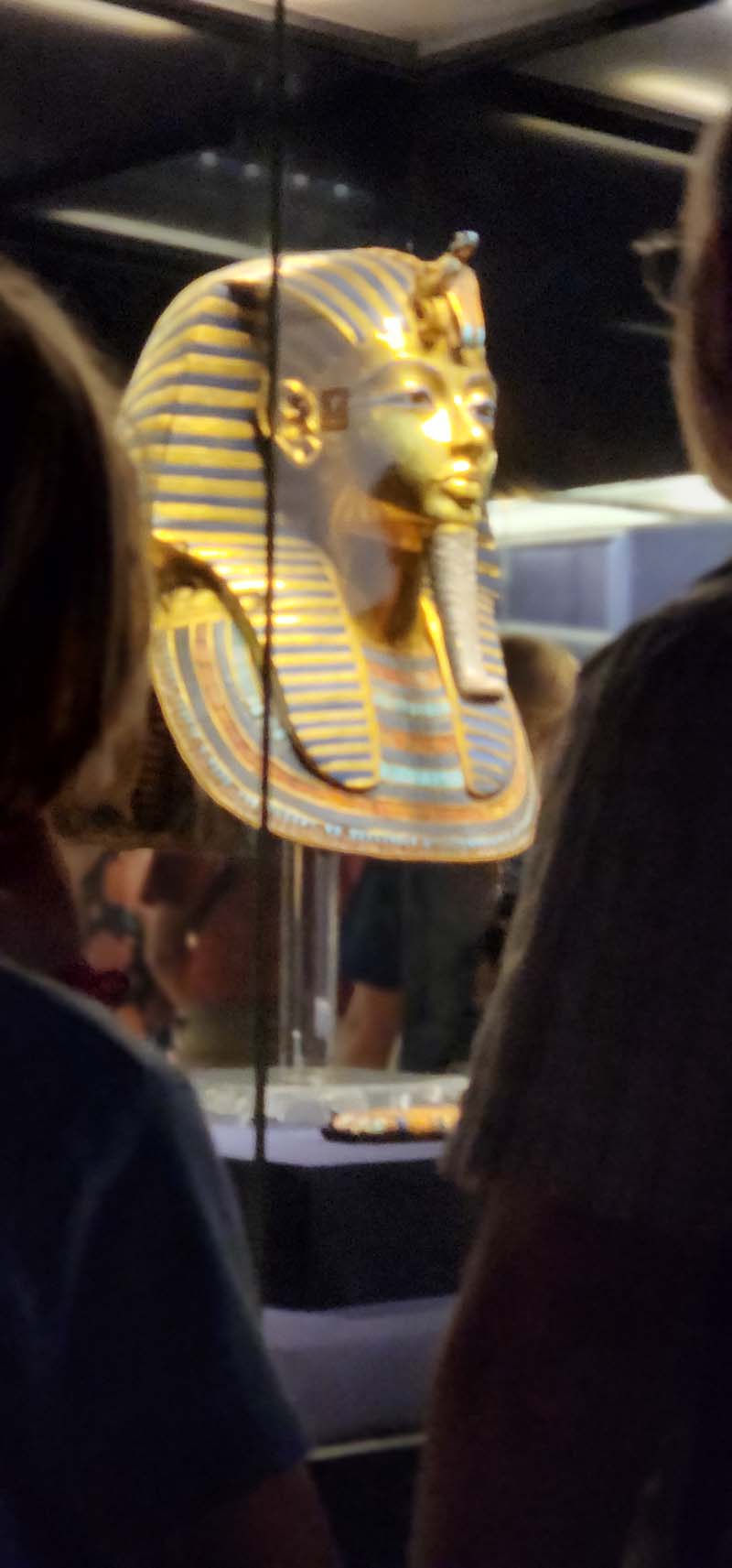
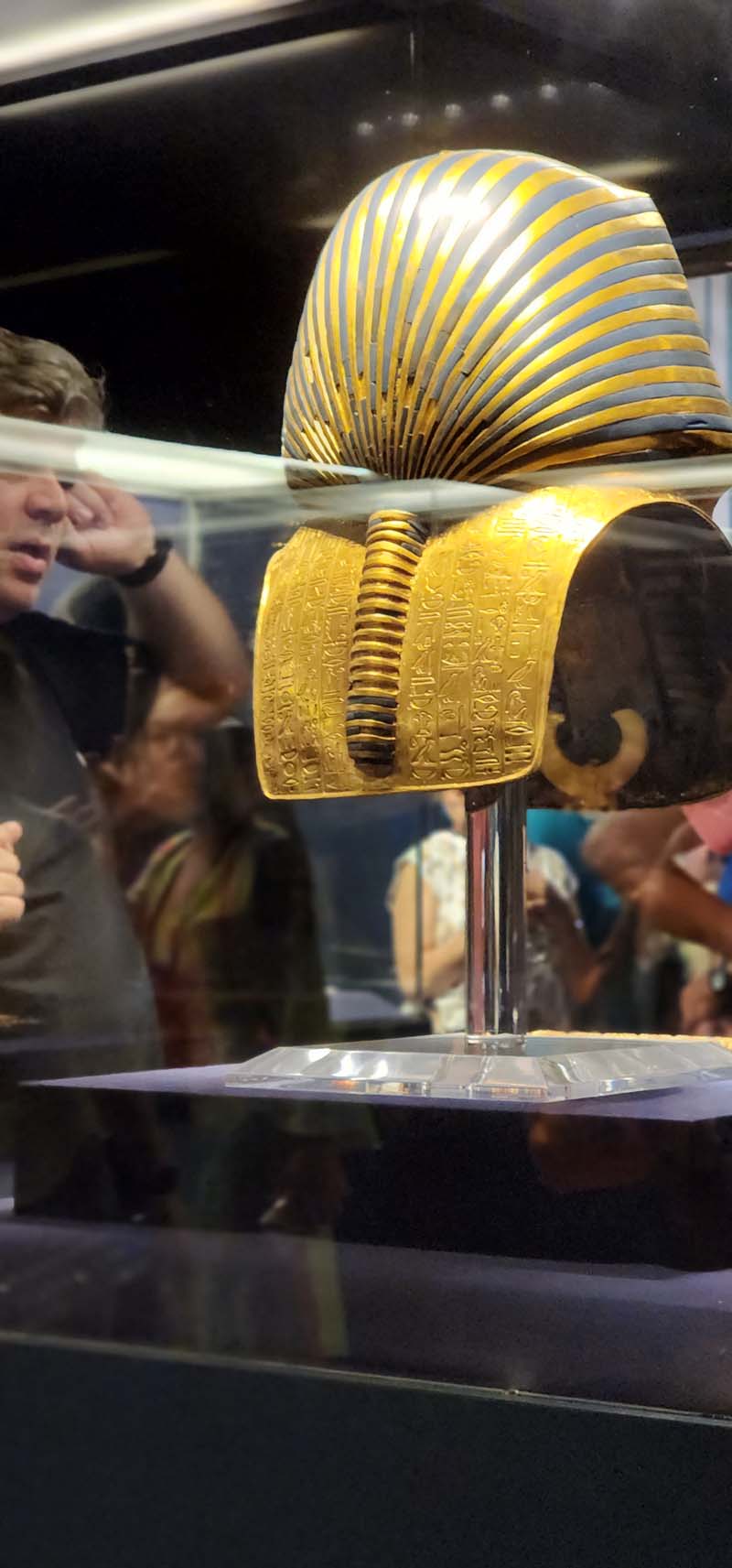
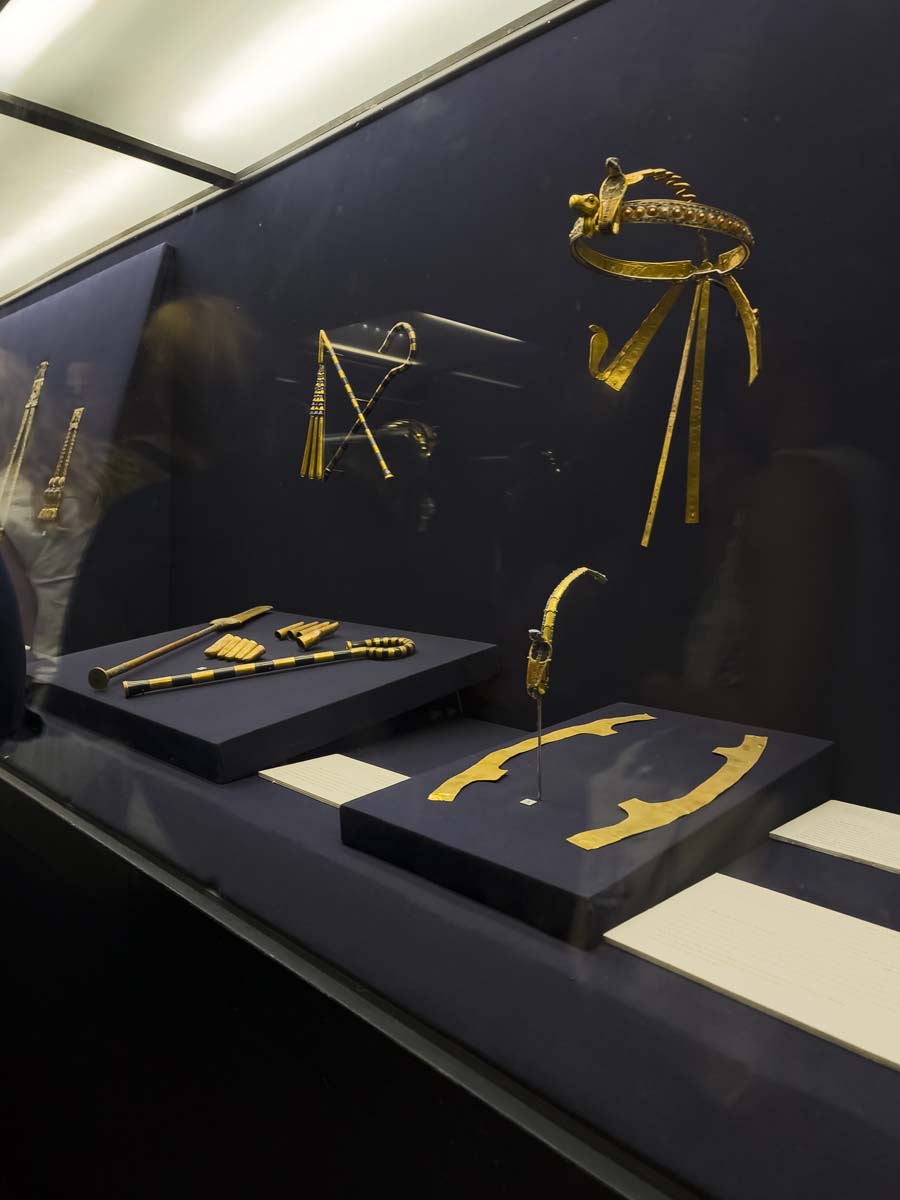
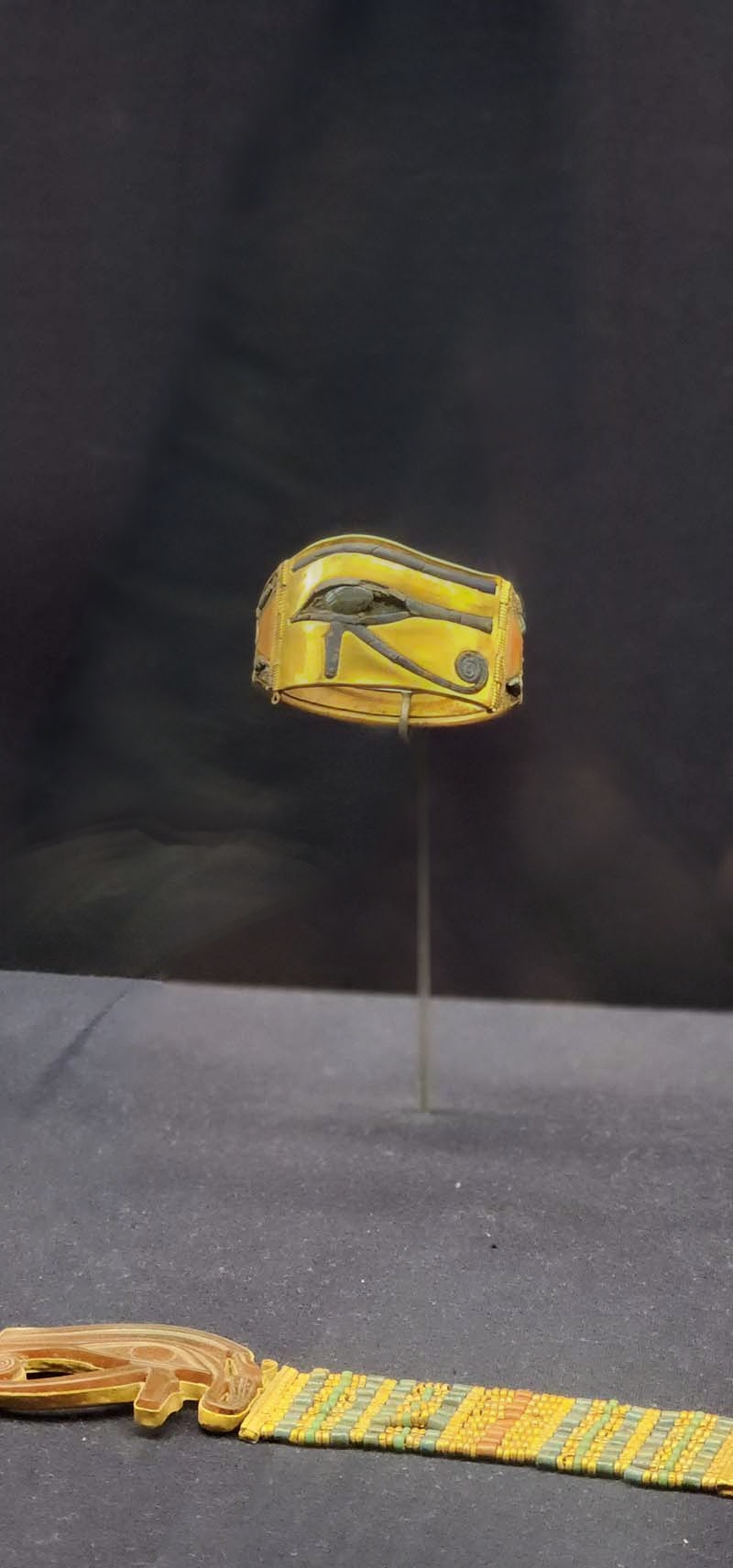
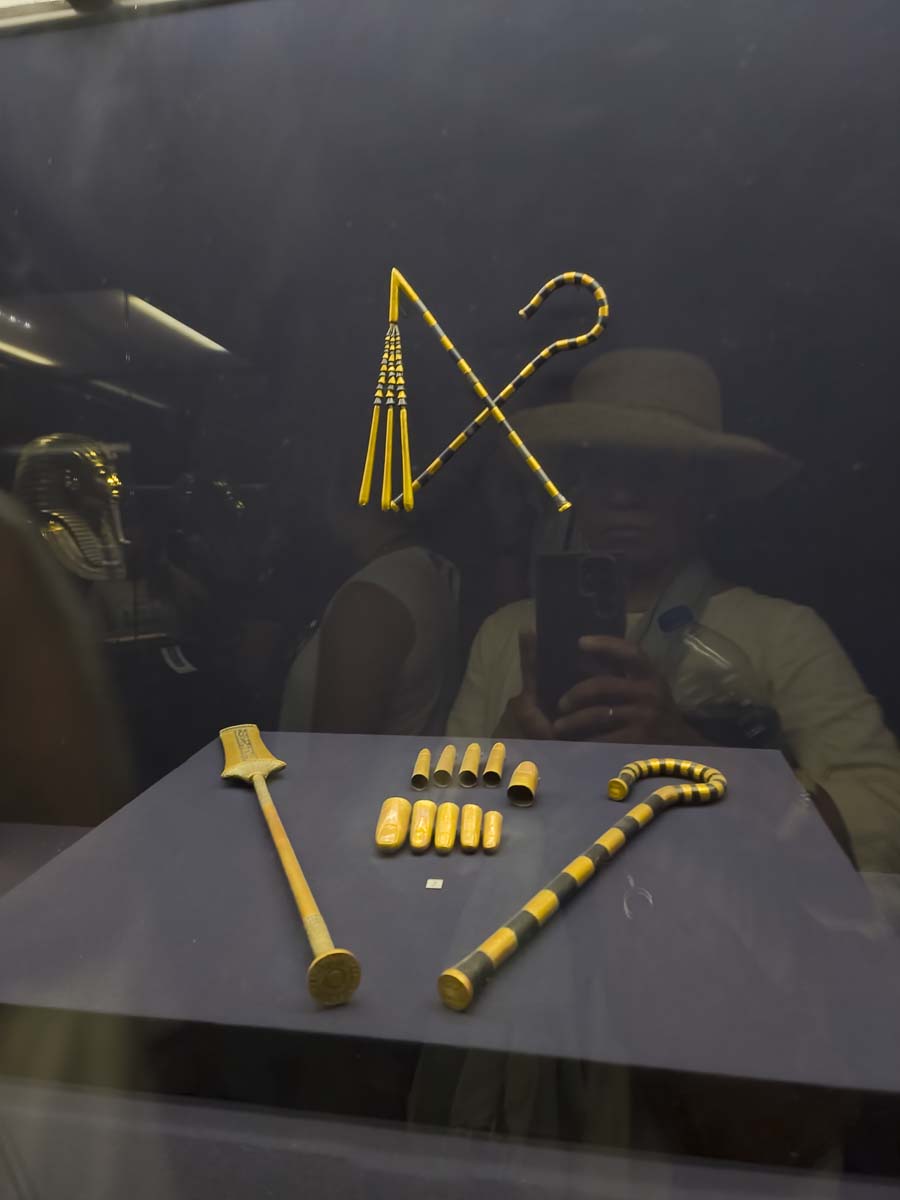
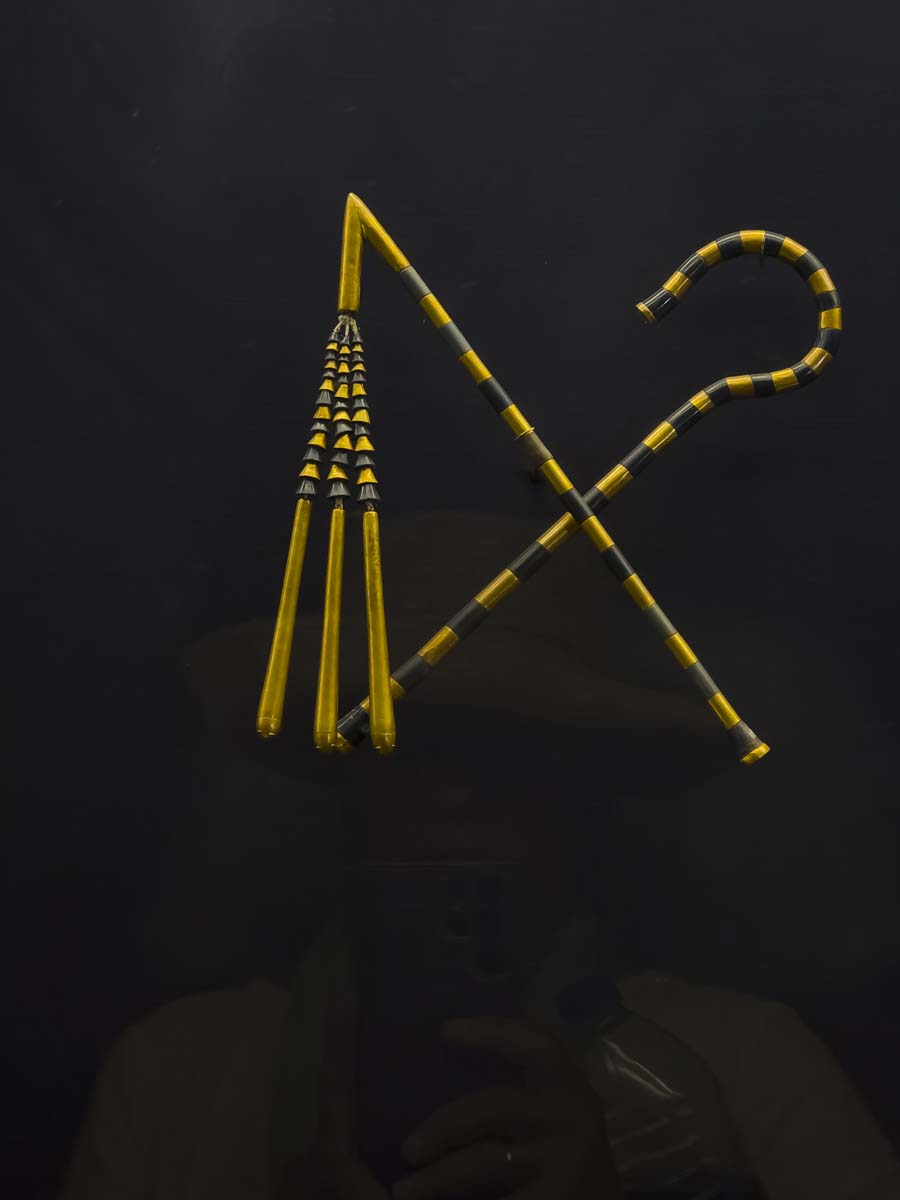
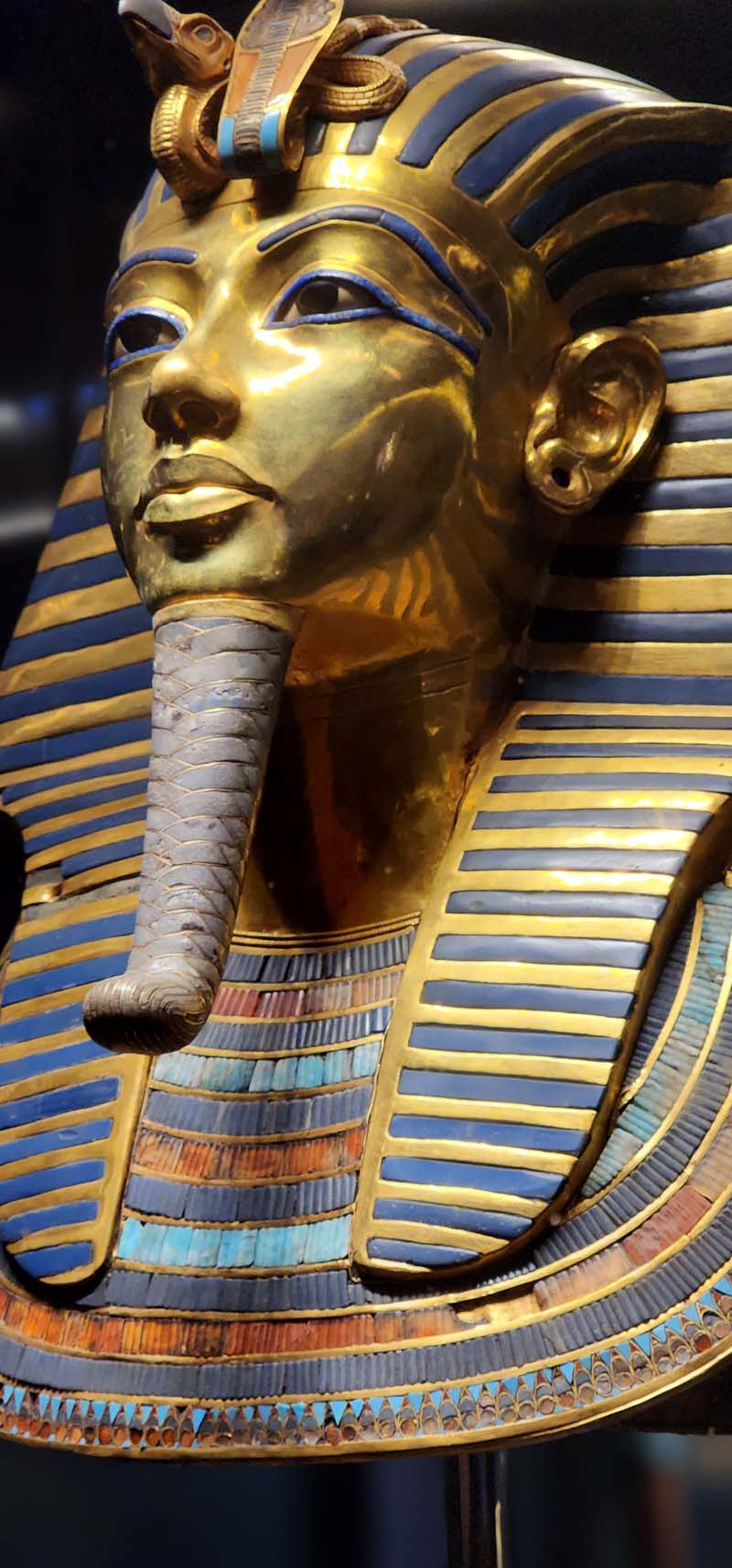
The second floor housed the treasures found in the tomb of King Tut. A massive number of artifacts and treasures of King Tut’s tomb. British archaeologist Howard Carter and his patron Lord Carnarvon discovered a new and nearly undisturbed tomb in 1922 that turned out to be that of the boy pharaoh Tutankhamen, who ruled for about 10 years and died when he was only about 19 years old.
Because he died so young and his tomb had to be rushed, it was partly built underneath another tomb. As a result, archaeologists had largely overlooked the site of his tomb for decades and grave robbers overlooked it for thousands of years before that. When rediscovered in 1922, all of Tut’s treasures and possessions from over 3300 years ago were still intact inside of the sealed tomb. French archaeologists and the fledgling local Egyptian government began the process of instituting preservation laws and institutions, a lot of those treasures are now on public display throughout the world – on loan from the Egyptian Government and Museum.
In fact, only a portion of the tomb’s contents were here; exhibits and artifacts were already moved over to the new Grand Egyptian Museum out in Giza, some exhibits were rearranged and consolidated into smaller spaces within the current museum building.